










By Medical News Desk
Published February 4, 2026
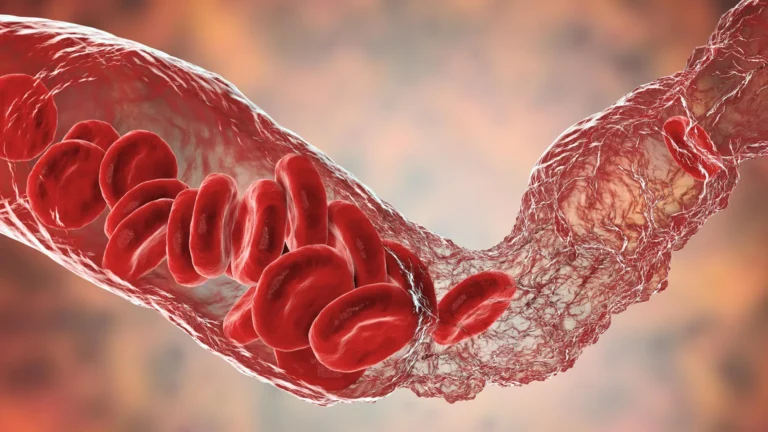
A landmark study published in Neurology Open Access, the official journal of the American Academy of Neurology, has provided some of the most compelling evidence to date regarding the nexus between dietary patterns and long-term cerebrovascular health. The research, which tracked the health outcomes of over 100,000 women across two decades, suggests that adhering to a Mediterranean-style diet may serve as a potent, non-pharmacological strategy to mitigate the risk of both ischemic and hemorrhagic strokes.
While the study stops short of claiming a direct causal link—acknowledging that dietary choices are often intertwined with broader lifestyle factors—the statistical association found by the researchers offers a promising roadmap for preventative medicine. As stroke continues to be a leading cause of mortality and permanent disability globally, these findings arrive at a critical juncture in public health discourse.
The Anatomy of the Study: A Two-Decade Investigation
The investigation, led by Dr. Sophia S. Wang of the City of Hope Comprehensive Cancer Center in Duarte, California, represents a massive undertaking in longitudinal epidemiology. Researchers recruited 105,614 women, all of whom were stroke-free at the inception of the study, with an average age of 53.
Methodology and Scoring
To quantify the impact of diet, participants were asked to complete comprehensive dietary questionnaires at the outset. Researchers utilized a scoring system ranging from zero to nine to measure how closely each participant’s eating habits mirrored the traditional Mediterranean diet.
Points were awarded based on a binary system relative to population averages. Participants gained a point for higher-than-average consumption of:
- Whole grain cereals
- Fruits and vegetables
- Legumes
- Fish
- Olive oil (as a primary source of healthy fat)
- Moderate alcohol consumption
Conversely, points were awarded for keeping intake of red meat and dairy products below the population average. The study population was then stratified into cohorts: approximately 30% of the participants fell into the "high adherence" category (scores of six to nine), while 13% were placed in the "low adherence" category (scores of zero to two).
Chronology of Findings: Tracking Stroke Outcomes
The strength of this study lies in its duration. By monitoring these 105,614 women over an average period of 21 years, the research team was able to capture a significant number of neurological events. Throughout the observation window, 4,083 strokes were recorded.
The breakdown of these events highlights the nuance of the research:
- Ischemic Strokes: 3,358 total cases. These occur when blood flow to a specific region of the brain is obstructed, typically by a clot.
- Hemorrhagic Strokes: 725 total cases. These occur when a blood vessel ruptures, resulting in intracranial bleeding.
As the data matured, the correlation between dietary scores and stroke incidence became stark. Even after adjusting for confounding variables such as smoking status, physical activity levels, and pre-existing hypertension, the results remained robust. Women in the highest tier of Mediterranean diet adherence were 18% less likely to suffer any form of stroke compared to those in the lowest tier. Specifically, the risk of ischemic stroke was reduced by 16%, while the risk of hemorrhagic stroke saw an even more pronounced reduction of 25%.
Defining the Mediterranean Diet: More Than Just Food
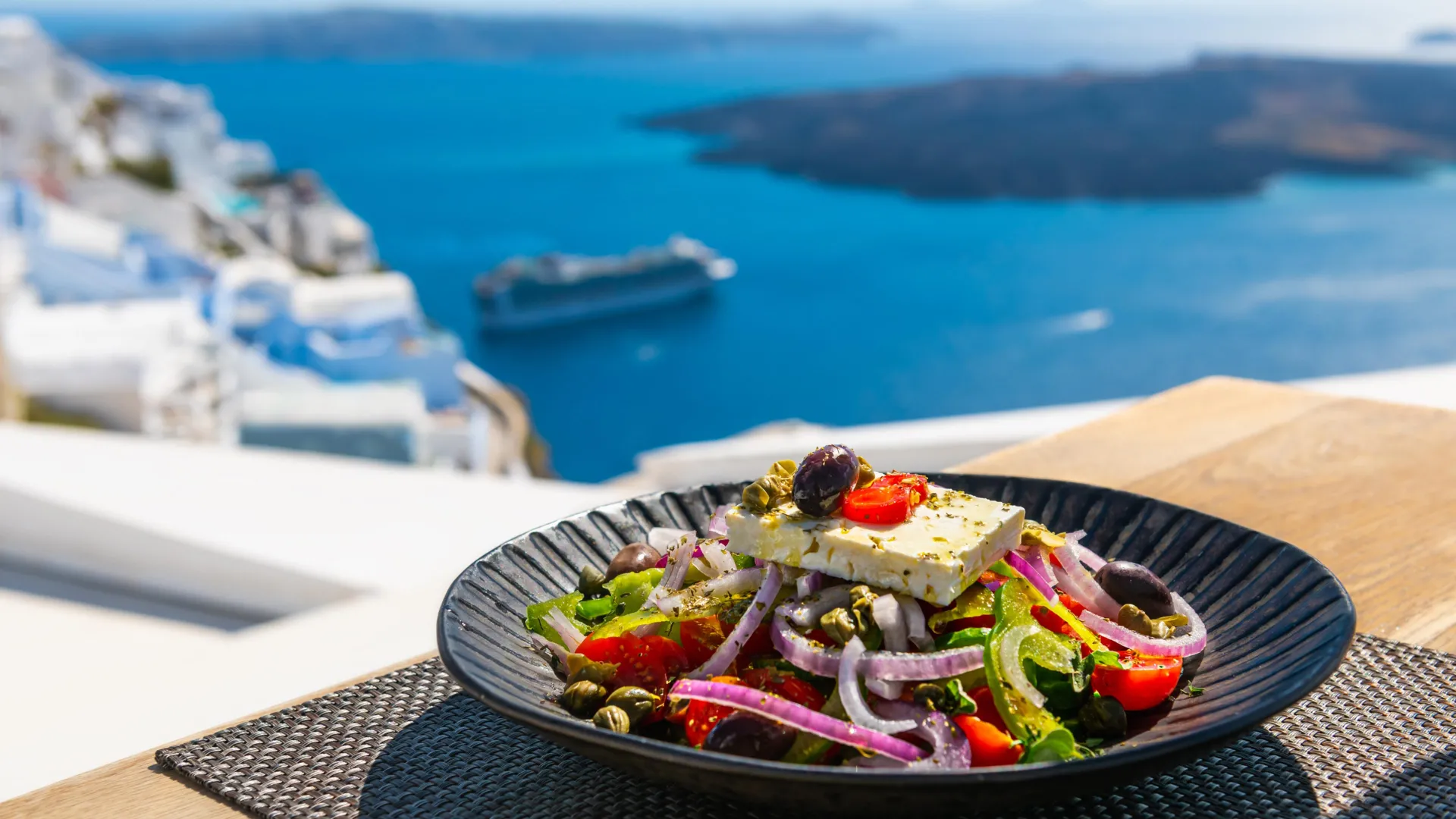
The Mediterranean diet is characterized by its emphasis on nutrient-dense, anti-inflammatory whole foods. It is widely considered by nutritionists and cardiologists as the "gold standard" for heart health.
Core Pillars of the Diet
- Healthy Fats: The diet prioritizes monounsaturated fats, particularly those derived from extra virgin olive oil, which are known to improve cholesterol profiles and reduce systemic inflammation.
- Plant-Forward Nutrition: A heavy focus on legumes, nuts, seeds, fruits, and vegetables provides high levels of fiber, antioxidants, and essential micronutrients.
- Protein Sources: The diet limits red and processed meats, which are often high in saturated fats and sodium, favoring lean proteins like fish and plant-based legumes.
- Moderate Alcohol: Often associated with the Mediterranean lifestyle is the moderate consumption of red wine, which contains resveratrol, though researchers caution that "moderate" is the keyword.
Official Responses and Expert Analysis
Dr. Sophia S. Wang, the study’s lead author, expressed optimism regarding the implications of the data. "Our findings support the mounting evidence that a healthy diet is critical to stroke prevention," Dr. Wang stated in an official release. "We were especially interested to see that this finding applies to hemorrhagic stroke, as few large studies have looked at this type of stroke."
Hemorrhagic strokes are notoriously difficult to treat and often carry a higher mortality rate than their ischemic counterparts. The fact that dietary habits were linked to a 25% reduction in this specific category provides a compelling argument for the diet’s protective role in maintaining vascular integrity.
The medical community has received the study with significant interest. Dr. Marcus Thorne, a neurologist unaffiliated with the study, noted that while diet studies are often plagued by "lifestyle noise," the sheer scale of the 21-year longitudinal data provides a level of clarity that is rarely achieved in nutritional science. "We are seeing a trend that suggests the brain is not an isolated organ," Dr. Thorne explained. "It is entirely dependent on the vascular system, and this study confirms that the health of that system is profoundly shaped by the food we put on our plates every day."
The Path Forward: Implications for Public Health
The potential to reduce stroke incidence by nearly one-fifth through dietary modification alone could revolutionize public health initiatives. If these findings are confirmed by subsequent clinical trials, the Mediterranean diet could be formally integrated into clinical practice guidelines as a first-line preventative measure for women at risk of cerebrovascular disease.
Addressing the Limitations
Despite the positive findings, the researchers were transparent about the study’s limitations. Because the dietary information was self-reported, there is an inherent risk of recall bias. Participants may have overestimated their healthy food intake or underestimated their consumption of red meat and dairy. Furthermore, while the study controlled for many variables, it remains an observational study, meaning it demonstrates an association rather than definitive causation.
"We need further studies to confirm these findings and to help us understand the biological mechanisms behind them," Dr. Wang emphasized. "If we can pinpoint exactly how these foods interact with vascular health, we could identify entirely new ways to prevent stroke beyond the current pharmacological standards."
A Call to Action
For the average person, the message is clear: the cumulative effect of daily dietary choices is significant. The research suggests that the Mediterranean diet is not a "quick fix" but a sustainable, long-term lifestyle adjustment that pays dividends in neurological longevity.
The study was funded by the National Institute of Neurological Diseases and Stroke, underscoring the government’s commitment to finding non-invasive solutions to the rising burden of neurological disease. As the population ages, the search for such preventative strategies will only become more vital.
Summary of Key Data Points
| Metric | Findings |
|---|---|
| Study Duration | 21 Years |
| Participant Count | 105,614 Women |
| Total Strokes Recorded | 4,083 |
| Risk Reduction (Any Stroke) | 18% |
| Risk Reduction (Ischemic) | 16% |
| Risk Reduction (Hemorrhagic) | 25% |
As the medical community digests these results, the focus will likely shift to intervention studies—research that doesn’t just observe what people eat, but actively modifies diet to measure the direct, real-time impact on stroke biomarkers. For now, the evidence remains a strong, scientifically backed endorsement for anyone looking to secure their brain health for the decades to come.
By embracing a diet rich in fruits, vegetables, fish, and healthy fats, women may be able to significantly lower their risk of one of the most life-altering medical events. As Dr. Wang noted, the prospect of lessening the risk of such a "devastating disease" through simple, accessible dietary changes is a beacon of hope for public health worldwide.