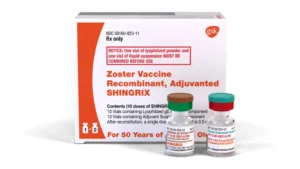
For years, the shingles vaccine has been viewed strictly through the lens of infectious disease—a necessary, if painful, prophylactic against the reactivation of the varicella-zoster virus. However, a groundbreaking study published in Nature Medicine has shifted this perspective, suggesting that the recombinant shingles vaccine, commonly known as Shingrix, may offer significant, unintended health benefits: protection against cardiovascular disease.
Researchers led by Dr. Maxime Taquet of the University of Oxford and Oxford Health NHS Foundation Trust have leveraged a unique “natural experiment” to uncover these potential cardioprotective effects. Their findings suggest that the transition from the older, live-attenuated vaccine to the modern, recombinant version may have inadvertently reduced the incidence of heart disease and stroke in older adults.
The Natural Experiment: A Tale of Two Vaccines
The study’s design was born out of a massive shift in clinical practice. In 2017, the U.S. landscape for shingles vaccination was dominated by the live-attenuated vaccine, Zostavax. By 2018, the landscape had shifted almost entirely toward the newly approved recombinant vaccine, Shingrix.
This rapid transition provided the Oxford team with an ideal comparative framework. By examining electronic health records of patients aged 60 and older, researchers compared two distinct cohorts: those vaccinated between April and September 2017 (the “live vaccine” era) and those vaccinated during the same months in 2018 (the “recombinant vaccine” era).
Using propensity score matching to ensure the cohorts were demographically balanced, the team created 36,460 matched pairs. The results were striking. Over a seven-year follow-up period, those who received the recombinant vaccine demonstrated a clear reduction in the cumulative incidence of ischemic heart disease and heart failure compared to those who received the older, live-attenuated version.
Chronology: From Clinical Approval to Broad Adoption
To understand the magnitude of this shift, one must look at the timeline of vaccine development and policy changes:
- October 2017: The U.S. Food and Drug Administration (FDA) grants approval for the recombinant herpes zoster vaccine (Shingrix) for adults aged 50 and older, signaling a departure from previous vaccination standards.
- 2018: The Advisory Committee on Immunization Practices (ACIP) of the Centers for Disease Control and Prevention (CDC) issues a preferential recommendation for the recombinant vaccine over the live-attenuated vaccine. This recommendation was driven by superior efficacy data and a safer profile for immunocompromised patients.
- 2020: The live-attenuated vaccine is officially phased out, exiting the market entirely.
- 2024-2026: The study published in Nature Medicine retrospectively analyzes this transition period, identifying the cardiovascular health outcomes that emerged in the wake of the mass adoption of the recombinant vaccine.
Supporting Data and Statistical Significance
The study’s findings are not merely anecdotal; they represent a significant statistical deviation from baseline expectations. The research team noted that the observed reduction in risk is clinically meaningful. Specifically, they estimated that a 0.8% absolute difference in the cumulative incidence of heart failure and ischemic heart disease among those over 60 could translate to hundreds of thousands of prevented cases in the United States alone.
While the primary findings centered on heart disease, the researchers also delved into secondary outcomes:
- Atrial Fibrillation: The study observed a statistically significant reduction in cases of atrial fibrillation (RMTL 0.93, 95% CI 0.88-0.98).
- Ischemic Stroke: While not universal, a statistically significant reduction in ischemic stroke was observed specifically among men (RMTL ratio 0.88, 95% CI 0.78-0.98), though this trend was not replicated with the same significance in women.
The authors acknowledge that the cardioprotective effects appeared to attenuate in the second half of the seven-year follow-up period. Nevertheless, the persistence of these associations—even when accounting for competing risks like mortality—suggests that the vaccine may exert a durable influence on vascular health.
The Mechanism: Why Would a Shingles Vaccine Protect the Heart?
One of the most compelling aspects of the study is the proposed biological mechanism. If a vaccine designed to target a dormant virus also protects the heart, how does it work?
Dr. Taquet and his colleagues propose the “immune-inflammatory hypothesis.” The recombinant vaccine does more than generate antibodies against the varicella-zoster virus; it contains adjuvants—chemicals specifically added to "kick-start" the immune system.
Virologist Dr. Ian Jones of the University of Reading explains the plausibility of this: "While the antibodies are specific to the virus, the vaccine also includes chemicals to kick-start the immune system. It is possible that this immune jolt also clears up low-level persistent inflammation which would otherwise build to later clinical disease, including neuronal and cardiovascular disease."
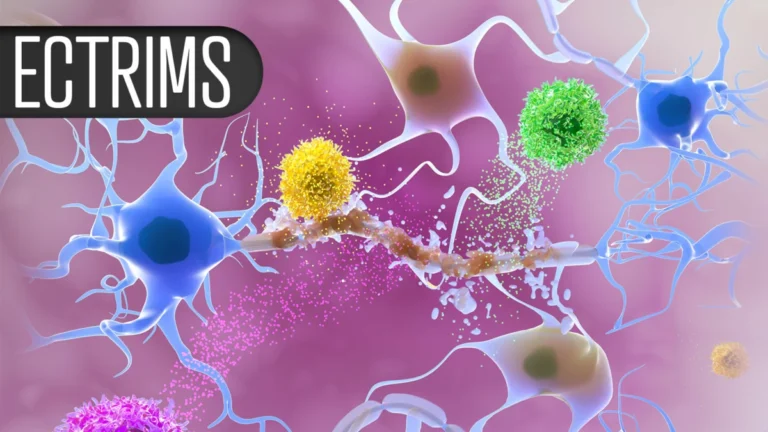
In essence, the vaccine may act as a systemic "reset button" for the immune system, dampening the chronic, low-grade inflammation that is known to accelerate atherosclerosis and other age-related cardiovascular conditions. This theory gains further weight when considering that the researchers previously identified a similar potential link between the recombinant shingles vaccine and a reduced risk of dementia, another condition heavily influenced by inflammatory processes.
Official Responses and Expert Commentary
The medical community has received these findings with a mix of cautious optimism and a call for further rigorous testing. Hugo Pedder, a statistician at the University of Bristol, praised the study for its robust methodology in the face of the inherent limitations of observational research.
"A randomized trial would be the best way to confidently answer whether recombinant vaccines do provide the benefits seen here," Pedder stated in a commentary published via the Science Media Centre. "But until such a trial is done, this study provides some of the best quality observational evidence supporting an effect of recombinant versus live vaccines for cardiovascular outcomes."
The study authors themselves remain grounded, acknowledging that as an observational study, they cannot definitively prove causation. Factors such as the lack of adjustment for multiple vaccine doses and the potential for residual confounding mean that these results should be viewed as a strong signal rather than a definitive clinical directive.
Broader Implications for Geriatric Medicine
The implications of this research are profound. If the “immune-inflammatory hypothesis” is confirmed, it could reshape how we approach aging. Rather than viewing vaccines as specific tools for specific infections, we may begin to see them as broad-spectrum interventions that modulate the immune system to delay the onset of chronic diseases.
For the aging population, the potential for a dual-purpose vaccine—protecting against the debilitating pain of shingles while simultaneously reducing the risk of a heart attack or stroke—is an exciting prospect. It reinforces the idea that the immune system is a master regulator of human health, and that by supporting it, we may be able to stave off the most common killers of the modern era.
Future Directions
The path forward is clear: the clinical trial. To move beyond the limitations of natural experiments and observational data, the medical community must now design randomized controlled trials that specifically track cardiovascular endpoints in patients receiving the recombinant shingles vaccine.
Such trials would need to control for a variety of factors, including pre-existing comorbidities, lifestyle, and the precise timing of vaccine administration. Furthermore, future studies will need to investigate whether these benefits extend equally across different demographic groups, particularly given the gender-based differences noted in the stroke data.
As we await these trials, the findings of Dr. Taquet and his colleagues stand as a landmark contribution to the field. They remind us that the human body is a highly integrated system, and that in the quest to prevent infection, we may have stumbled upon a potent new strategy for preserving heart health. For now, the evidence suggests that the shingles vaccine is not just a shield against a virus, but perhaps a vital tool in the broader struggle against the diseases of aging.