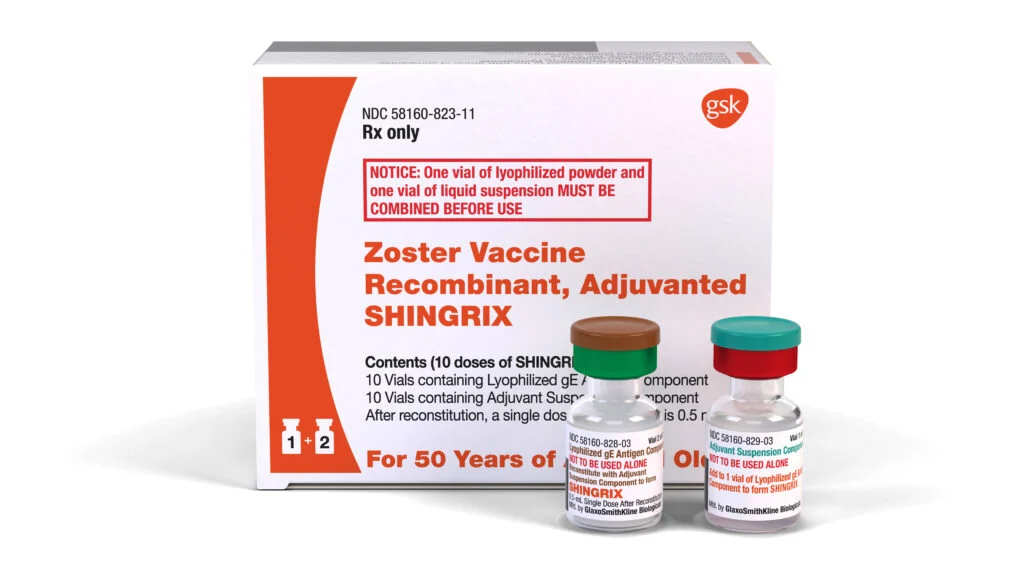
For years, the Shingrix vaccine has been a cornerstone of geriatric care, prized for its high efficacy in preventing the painful, debilitating flare-ups of the varicella-zoster virus—the same pathogen responsible for chickenpox in childhood. However, recent medical research suggests that the benefits of this recombinant vaccine may extend far beyond the prevention of shingles.
Following a groundbreaking observation two years ago that linked Shingrix to a lower incidence of dementia, a research team from the University of Oxford has now identified a compelling association between the vaccine and a reduced risk of cardiovascular disease. The study, published this week in Nature Medicine, suggests that the vaccine may offer protective effects against heart attacks, strokes, and heart failure, potentially positioning it as a dual-purpose tool for public health.
Main Facts: A Potential Breakthrough in Preventive Cardiology
The research, which utilized a sophisticated "natural experiment" design, examined electronic health records from over 72,000 individuals aged 60 and older. The findings indicate that those who received Shingrix experienced a 9% lower overall cardiovascular burden compared to those who received the older, live-attenuated Zostavax vaccine.
Specifically, the data showed a 10% reduction in coronary heart disease and a 12% reduction in heart failure among the Shingrix cohort. Stroke risk was notably reduced by 12% in men, while atrial fibrillation rates dropped by 7% across the entire study population. While the absolute risk reduction—calculated at approximately 1% over seven years—might appear modest on an individual level, experts emphasize that when applied to the millions of older adults who receive the vaccine annually, the public health impact could be monumental.
A Chronological Look at the Research
The investigation into the extra-immunological benefits of Shingrix has evolved rapidly over the past several years:
- 2017: The U.S. Food and Drug Administration approves Shingrix, which quickly displaces Zostavax as the preferred shingles vaccine due to its superior efficacy and durability.
- 2022: A seminal study reports an unexpected association between the receipt of the recombinant shingles vaccine and a reduced risk of developing dementia. This observation sparked intense debate among epidemiologists regarding the "healthy vaccinee bias"—the theory that healthier, more proactive individuals are simply more likely to seek out vaccination.
- 2024–2025: Seeking to move beyond observational ambiguity, the Oxford team designs a natural experiment centered on the 2017 switch from Zostavax to Shingrix. By comparing matched groups of patients who received either vaccine shortly before or after the approval date, researchers were able to control for confounding variables such as socioeconomic status and general health-seeking behavior.
- 2025 (Present): Nature Medicine publishes the full results, confirming the cardioprotective signals. Simultaneously, the DAN ZOSTER trial—a large-scale randomized controlled trial involving 162,000 participants in Denmark—is currently underway to definitively prove causality. Results are expected in 2027.
Supporting Data and Methodology
The strength of the Nature Medicine study lies in its methodological rigor. By utilizing the TriNetX network—which aggregates data from 60 major health systems—the researchers created two cohorts of 36,000 individuals each. Because these individuals were vaccinated within six months of the vaccine swap in October 2017, the cohorts were inherently similar in age, access to healthcare, and clinical profile, effectively neutralizing the "healthy vaccinee bias."
"This study remains observational, even though it’s a natural experiment," noted co-author Maxime Taquet, an associate professor of psychiatry at the University of Oxford. "We are keen to see the results from randomized controlled trials to confirm these findings."
The data highlights a clear divergence between the two vaccines. While Zostavax showed no significant impact on cardiovascular outcomes, Shingrix displayed a consistent protective trend. Researchers attribute this difference to the unique composition of Shingrix, specifically the inclusion of the AS01 adjuvant, which is designed to stimulate a more robust immune response.
Biological Mechanisms: Why Might a Vaccine Protect the Heart?
If the association is confirmed, how exactly does a vaccine for a skin-related virus protect the heart? The study authors and outside experts offer several hypotheses:
The Inflammation Link
Ischemic heart disease and vascular conditions are fundamentally driven by chronic inflammation. The cytokines—proteins produced by the immune system—can activate cells within vascular tissues, promoting atherosclerosis, or the buildup of fatty deposits in the arteries. It is possible that the immune response triggered by Shingrix helps to modulate this systemic inflammation, thereby stabilizing blood vessels and preventing blockages.
The Adjuvant Effect
"For cardiovascular disease in particular, we have a stronger hypothesis that this has to do with the adjuvant," says Taquet. The AS01 adjuvant in Shingrix is a sophisticated chemical compound that enhances the body’s immune memory. Unlike live vaccines, this recombinant technology may induce "trained immunity," causing epigenetic changes in immune cells that improve the body’s ability to handle inflammatory threats more broadly.
Viral Suppression
Research has previously established that the herpes zoster virus itself may increase cardiovascular risk by damaging the endothelium (the lining of the blood vessels). By providing superior protection against the virus compared to Zostavax, Shingrix may prevent the subclinical vascular damage that often leads to heart disease later in life.
Official Responses and Expert Commentary
The scientific community has reacted with cautious optimism. Kaleen Hayes, an associate director of pharmacoepidemiology at Brown University, expressed excitement about the findings, noting that the field of "vaccine-preventable cardiovascular disease" is still in its infancy. "There’s been some evidence, but very conflicting evidence, on whether this vaccine has cardioprotective effects as well as potential neuroprotective effects," she told STAT. "Being able to harness what we can learn from these benefits… will be a really exciting field."
Mark Russell of King’s College London highlighted the sheer scale of the potential benefit. "Millions of people receive shingles vaccination," he stated. "Even a small cardiovascular benefit could translate into a substantial number of cardiovascular events prevented at a population level."
Implications: A New Strategy for Public Health?
The implications of these findings are profound. If randomized controlled trials confirm that Shingrix provides genuine protection against both dementia and cardiovascular disease, it could fundamentally shift how clinical guidelines are written.
Rethinking Vaccination Policy
Currently, shingles vaccines are prioritized for older adults specifically to prevent shingles. However, if the vaccine is shown to be a potent tool against heart disease and cognitive decline, public health officials may consider broadening the recommendation to include middle-aged adults or those with high cardiovascular risk profiles.
Economic and Systemic Impact
The economic burden of heart failure and stroke is staggering. If a single vaccination regimen can reduce the incidence of these events by even a few percentage points, the cost-benefit analysis for public health funding could change overnight. The potential for "preventive medicine" through vaccination has rarely been more promising.
A Call for Further Research
Despite the excitement, the experts involved are unanimous: the primary reason to get vaccinated remains the prevention of shingles. "If this helps people get the vaccine, then that’s great," said Taquet. "But they should get it for the shingles protection in the first instance."
As the medical community awaits the 2027 results of the DAN ZOSTER study, the current data serves as a compelling reminder that the immune system is a master regulator of human health. If Shingrix is indeed the first vaccine to guard both the brain and the heart, it will mark a significant turning point in 21st-century medicine—proving that the most effective way to treat some of our most complex chronic diseases might have been hidden in a simple, preventive shot all along.