26 August, 2026
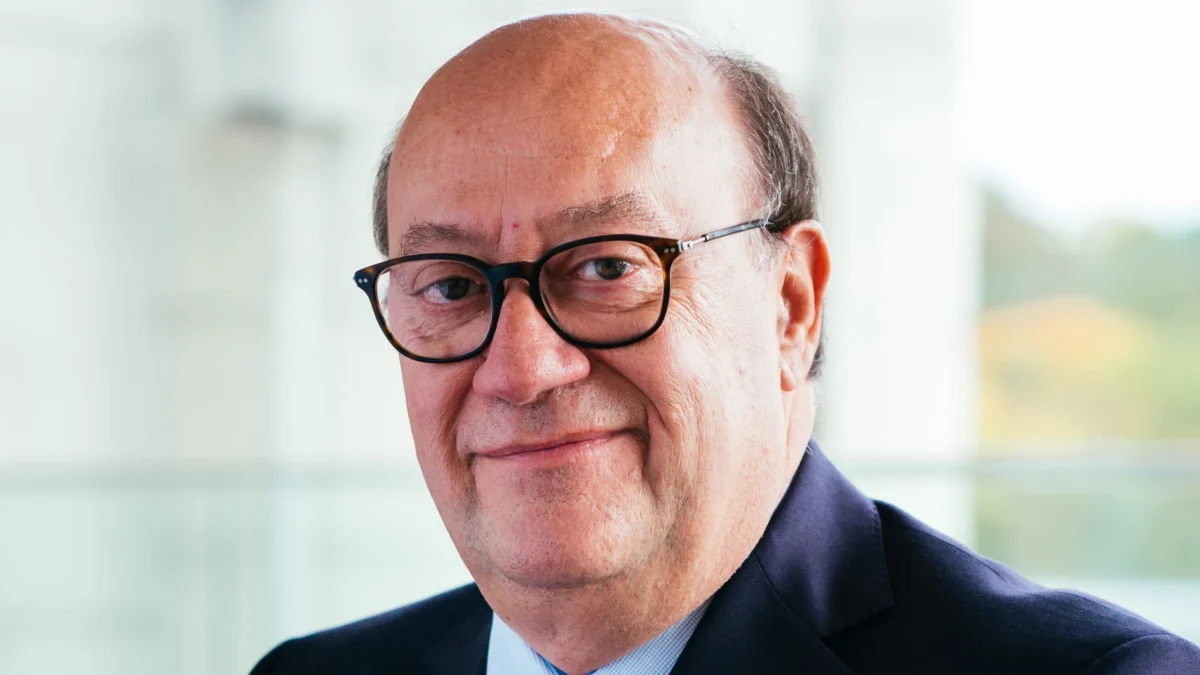
The global medical community is in mourning following the sudden passing of Professor Marc Decramer on August 14, 2026. A visionary physician, an astute administrator, and a transformative scientist, Professor Decramer’s departure leaves a profound void in the landscape of European and international respiratory medicine. He passed away surrounded by the warmth of his family, marking the end of a life defined by relentless curiosity, institutional leadership, and a steadfast commitment to the betterment of human health.
To those who knew him, he was more than a luminary in the field of pulmonology; he was a mentor, a collaborator, and a friend whose influence spanned continents. His career, which began on the soccer pitches of Belgium and concluded in the highest echelons of hospital administration and technological innovation, stands as a testament to a life lived with purpose, integrity, and intellectual rigor.
A Journey of Excellence: The Chronology of a Career
The story of Marc Decramer is one of remarkable transition. In his youth, Decramer displayed significant athletic prowess, playing soccer at the level of the Belgian second national division. While many might have pursued a career in professional sports, Decramer’s trajectory shifted toward the clinic.
The Formative Years
In 1978, he graduated with magna cum laude from Leuven University, earning his degree in Medicine, Surgery, and Obstetrics. His early training in internal medicine and pulmonology at the University Hospitals Leuven provided the bedrock for his future achievements. Between 1982 and 1984, he expanded his horizons significantly, serving as a fellow at the Meakins-Christie Laboratories and Royal Victoria Hospital of McGill University in Montreal. Under the mentorship of the legendary Professor Peter Macklem, Decramer was introduced to the intricacies of respiratory physiology, an experience that would define his life’s work.
Academic and Clinical Ascension
Upon his return to Leuven in 1984, Decramer began his rapid ascent within the university system. By 1987, he held his first academic appointment, and in 1992, he was named a Full Professor at the Faculty of Medicine. His leadership within the Department of Respiratory Diseases—which he headed starting in 2006—was characterized by a rare combination of clinical empathy and administrative decisiveness.
Following his distinguished tenure at the university, he assumed the role of CEO of UZ Leuven in 2013, guiding one of Europe’s largest academic medical centers through an era of complex digital and policy-driven change. Even after his retirement to emeritus status in 2018, Decramer remained a force, contributing to the boards of IMEC and the Leiden University Medical Center, while launching a consulting practice alongside his son, Stefaan.
Scientific Contributions: Beyond the Lungs
Professor Decramer’s scientific legacy is anchored in his refusal to view the lungs in isolation. While his clinical focus was chronic obstructive pulmonary disease (COPD), his true innovation lay in his holistic understanding of the disease.
Redefining COPD Treatment
Decramer was among the first to emphasize that COPD is not merely a disease of the airways. He recognized that peripheral muscle dysfunction—both in the limbs and the respiratory muscles—was a critical, yet overlooked, component of patient morbidity. By championing pulmonary rehabilitation, he fundamentally changed how patients were treated. He moved the needle from purely pharmacological interventions to a multidisciplinary model that treated the patient’s physical resilience as much as their lung function.
A Legacy of Data
The numbers behind his career are staggering, yet they only hint at the depth of his impact:
- Peer-Reviewed Publications: Over 400 articles.
- Citation Impact: More than 30,000 citations.
- Academic Influence: An h-index of 75, reflecting a body of work that has been foundational to modern respiratory research.
- Mentorship: He trained generations of doctoral students, ranging from basic scientists to allied healthcare professionals, ensuring that his clinical philosophies would outlive his own research output.
Global Leadership and Policy Impact
Professor Decramer’s influence was never contained by the borders of Belgium. He believed in the power of professional societies to standardize care and push the boundaries of clinical knowledge.
Shaping European and Global Respiratory Strategy
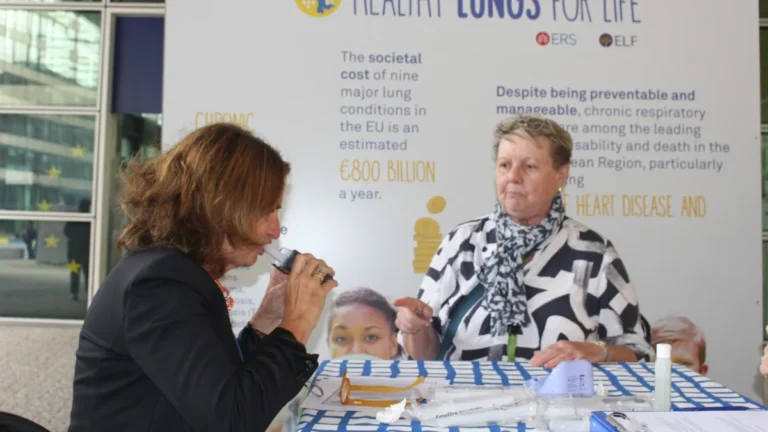
His service to the European Respiratory Society (ERS) was transformative. As Scientific Chairman (1995–1999) and later as President (2010–2011), he elevated the society’s role in public health. Perhaps his most enduring policy achievement was the development of the European Respiratory Roadmap. Presented to the European Parliament, this document served as a blueprint for respiratory health policy, aligning European resources with the most pressing clinical needs of the time.
Beyond Europe, as the Chair of the Board of Directors for the Global Initiative on Obstructive Lung Disease (GOLD) from 2013 to 2016, he helped define how the world understands, diagnoses, and treats COPD. He was a master of consensus, often bringing together disparate factions of experts to reach agreements that were both scientifically sound and practically applicable.
Innovation and the Future of Medicine
Decramer was not content with the status quo of hospital administration. As CEO of UZ Leuven, he displayed a keen interest in the convergence of medicine and technology. He possessed the rare "entrepreneurial eye" that could spot the potential in basic research and shepherd it toward clinical application.
His involvement with IMEC, the world-leading R&D hub for nanoelectronics, was a natural extension of his belief that the future of medicine lies in digital integration. He co-founded a spin-off company focused on the application of artificial intelligence to interpret lung function tests, effectively bridging the gap between high-tech engineering and bedside care. For Decramer, progress was a necessity, and he viewed technology as a vital tool to reduce the cognitive burden on physicians while increasing the precision of care for patients.
A Man of Humanity and Humility
Despite his titles and accolades, those who knew Marc Decramer speak most often of his character. He was known for his warmth, his sharp sense of humor, and his intellectual curiosity, which did not stop at the boundaries of medicine. He sought connection in all things, whether in a complex international boardroom or a quiet conversation with a student.
His mentorship style was legendary. He did not merely supervise; he empowered. He encouraged his colleagues to step into leadership roles within international societies, pushing them to expand their own reach for the benefit of the global community. He understood that true leadership is measured by the strength of the individuals one leaves behind.
Implications of His Passing
The passing of Professor Marc Decramer marks a turning point for the respiratory medicine community. As the field faces new challenges—from the long-term respiratory effects of global environmental changes to the integration of AI in clinical workflows—the loss of such a seasoned navigator is significant.
However, his influence remains embedded in the institutions he shaped and the people he mentored. His legacy is carried forward by:
- The Clinical Programs: The multidisciplinary rehabilitation services he established in Leuven remain a gold standard globally.
- The Next Generation: His former students and collaborators now hold key positions in research centers and hospitals across Europe, tasked with continuing the collaborative, multidisciplinary approach he championed.
- Strategic Policy: The frameworks established during his tenure at ERS and GOLD continue to inform modern healthcare policy.
Final Thoughts
In a final tribute, the medical community remembers not just the professor, but the man. He was a devoted family man whose life was enriched by his wife, Vera, and their sons, Stefaan and Thomas. The outpouring of grief from colleagues across the globe serves as a testament to a life lived in service to others.
As we reflect on his immense contributions, we are reminded of his own philosophy: that medicine is a constant movement toward progress, a bridge between scientific discovery and human compassion. Professor Marc Decramer has left the world, but the path he cleared for the future of respiratory medicine remains wide open, ready to be traveled by those he inspired.