Introduction: A Silent Global Health Crisis
For millions of individuals worldwide, the simple act of skin repair—a biological feat taken for granted by most—has become an impossible hurdle. Chronic wounds, particularly those stemming from diabetic foot ulcers, represent a burgeoning global health crisis that threatens not only the quality of life but the very survival of patients. With approximately 18.6 million people suffering from diabetic foot ulcers annually, and a staggering one in three diabetics expected to experience a foot ulcer in their lifetime, the medical community has long been searching for a breakthrough.
These persistent, non-healing wounds are a leading cause of lower-limb amputations, creating a devastating cycle of infection, mobility loss, and systemic health decline. In Singapore alone, the burden is significant, with over 16,000 reported cases annually, primarily impacting the elderly and the diabetic population.
Now, an international research team led by Nanyang Technological University, Singapore (NTU Singapore), in collaboration with the University of Geneva, has uncovered a paradigm-shifting mechanism that explains why these wounds refuse to heal. By identifying how the common bacterium Enterococcus faecalis (E. faecalis) sabotages human skin cells, researchers have proposed a novel therapeutic strategy that moves beyond the dwindling efficacy of traditional antibiotics.
The Chronology of Discovery: Unmasking a Metabolic Saboteur
The path to this discovery began with a fundamental question: Why do certain infections effectively "paralyze" the skin’s regenerative machinery? While clinicians have known for decades that the presence of bacteria impedes healing, the precise biological pathway—the "how" of this interference—remained shrouded in mystery.
Phase 1: Identifying the Culprit
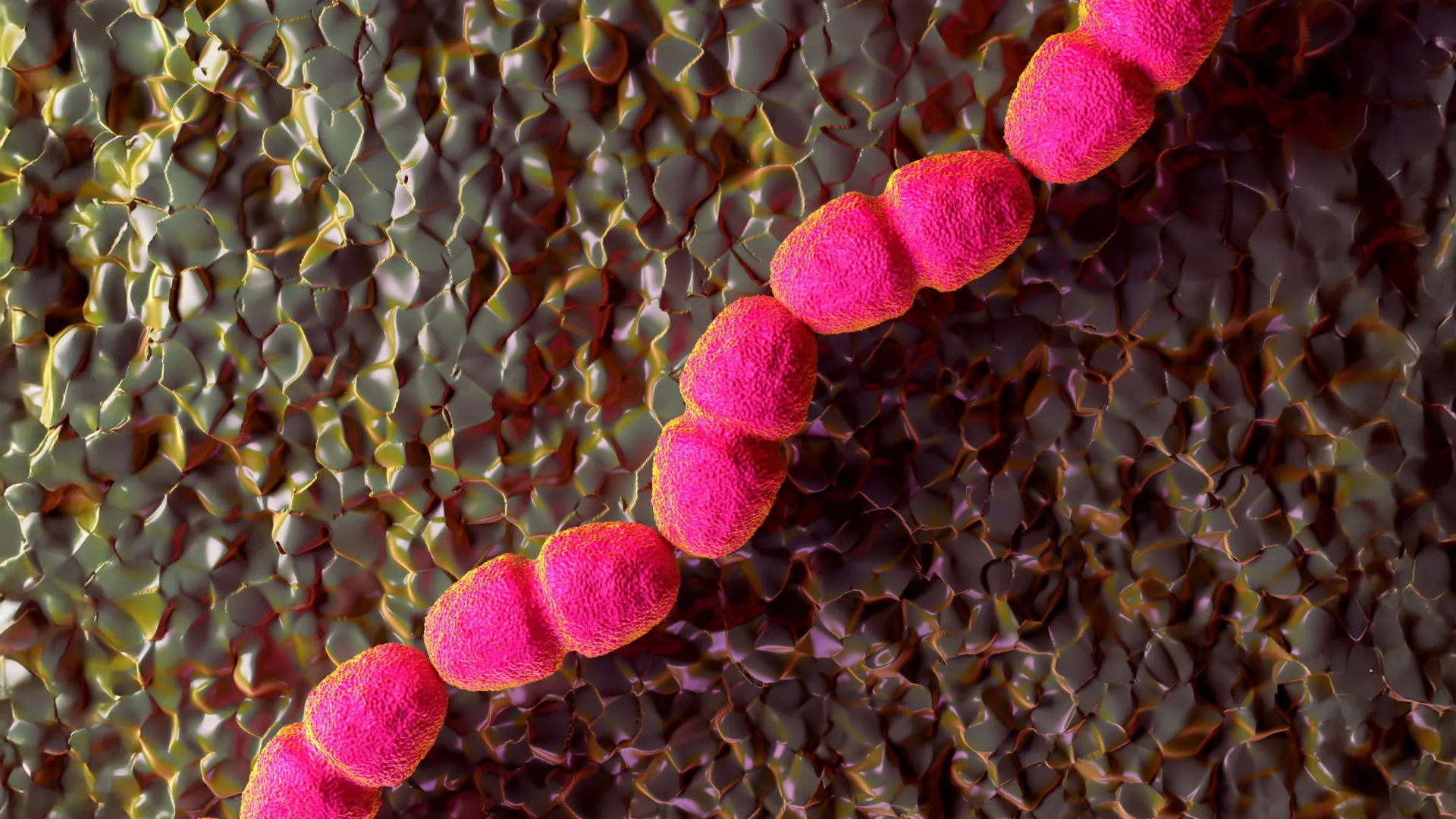
The research, recently published in the prestigious journal Science Advances, focused on E. faecalis, an opportunistic pathogen notoriously prevalent in chronic wounds. Unlike many pathogens that rely on overt toxins to cause damage, E. faecalis utilizes a more subtle, metabolic form of warfare.
Phase 2: The Role of Extracellular Electron Transport (EET)
The team, led by Associate Professor Guillaume Thibault of NTU’s School of Biological Sciences and Professor Kimberly Kline of the University of Geneva, discovered that E. faecalis employs a process known as extracellular electron transport (EET). Dr. Aaron Tan, the study’s first author and an NTU Research Fellow, identified that this metabolic pathway continuously generates hydrogen peroxide.
Phase 3: Cellular Paralysis
The production of hydrogen peroxide creates a toxic micro-environment. When human keratinocytes—the primary cells responsible for skin repair—are exposed to this byproduct, they experience acute oxidative stress. This triggers a biological alarm system called the "unfolded protein response." While this response is intended to protect the cell, in the context of a chronic wound, it becomes a trap. The cells, overwhelmed by the stress, cease their normal migration functions, effectively stalling the healing process.
Phase 4: Validation
To confirm this mechanism, the researchers utilized a genetically modified strain of E. faecalis lacking the EET pathway. Without the ability to produce high levels of hydrogen peroxide, the bacteria proved unable to inhibit the movement of keratinocytes. This provided the "smoking gun" that proved bacterial metabolism, rather than traditional toxin release, was the primary cause of wound stagnation.
Supporting Data: The Burden of Antibiotic Resistance
The significance of this study is magnified by the current climate of antimicrobial resistance (AMR). As many strains of E. faecalis have evolved to resist standard antibiotic treatments, medical professionals are facing a "therapeutic dead end."
The Antibiotic Wall
Traditional wound management relies on debridement and systemic or topical antibiotics. However, as E. faecalis becomes increasingly resistant to common antibiotic classes, these treatments often fail to clear the infection. The failure to eliminate the bacteria leads to a state of chronic inflammation, which, as the NTU study highlights, is not just a result of bacterial presence but a direct consequence of the bacteria’s metabolic output.
The Power of Catalase
The research team’s most promising finding lies in the potential use of catalase. By introducing this naturally occurring antioxidant enzyme to the infected environment, the researchers successfully neutralized the hydrogen peroxide. In laboratory models, this intervention allowed the keratinocytes to exit their "stressed" state, resume their migratory behavior, and successfully begin the process of wound closure. This proof-of-concept experiment shifts the focus from "killing" the bacteria—which drives further resistance—to "mitigating" the bacterial impact.
Official Responses: A New Strategy for Clinical Practice
The implications of this study have been met with enthusiasm from the scientific community, as it offers a blueprint for treatments that could bypass the limitations of current pharmacology.
"Our findings show that the bacteria’s metabolism itself is the weapon, which was a surprise finding previously unknown to scientists," said Associate Professor Guillaume Thibault. "Instead of focusing on killing the bacteria with antibiotics, which is becoming increasingly difficult and leads to future antibiotic resistance, we can now neutralize it by blocking the harmful products it generates and restoring wound healing."
Professor Kimberly Kline, who also holds a visiting professorship at the Singapore Centre for Environmental Life Sciences and Engineering (SCELSE) at NTU, emphasized the clinical potential of the research. By shifting the therapeutic target from the pathogen to the metabolic byproduct, the team has introduced a "neutralization" strategy.
"We are essentially aiming to neutralize the actual cause of the chronic wounds—the reactive oxygen species," Professor Thibault added. "This approach is not only more targeted but also sidesteps the arms race between antibiotic development and bacterial evolution."
Future Implications: From Lab Bench to Bedside
The transition from a laboratory discovery to a clinical tool is the next major phase for the NTU-Geneva team. The proposal to develop antioxidant-infused wound dressings is gaining traction as a highly viable, near-future medical application.
Why Antioxidants?
Antioxidants like catalase are already well-understood, widely available, and generally considered safe for human application. Because these substances do not act as "drugs" in the traditional sense, they may face a shorter and more streamlined regulatory pathway compared to developing new, novel antibiotics.
Clinical Roadmap
- Animal Modeling: The team is currently conducting animal studies to determine the most effective delivery systems for these antioxidants. Whether through hydrogels, specialized bandages, or topical foams, the goal is to ensure a sustained release of the enzyme to the wound site.
- Human Trials: Following the success of the animal models, the researchers intend to transition into human clinical trials. Given that the mechanism was observed in human skin cells, there is high confidence that the physiological response will be consistent in clinical patients.
- Broadened Scope: While the initial focus is on diabetic foot ulcers, the researchers believe this strategy could be applied to a variety of chronic, non-healing wounds, including pressure injuries and venous leg ulcers, which affect millions of patients worldwide.
A Paradigm Shift in Wound Care
This research represents a departure from the "germ theory" model of wound treatment—where the goal is total eradication—toward a "functional homeostasis" model. By restoring the skin cell’s ability to function despite the presence of bacteria, doctors may be able to manage chronic wounds as manageable conditions rather than life-threatening, limb-stealing complications.
As the global population ages and the prevalence of diabetes continues to rise, the need for such innovations has never been more acute. By focusing on the metabolic "waste" of bacteria rather than just the bacteria themselves, the NTU team has opened a new door in wound care—one that promises to return the gift of healing to those who have been trapped in the cycle of chronic infection for far too long.
Through continued collaboration and rigorous testing, this metabolic insight may soon become a cornerstone of modern wound management, offering hope where conventional medicine has stalled.