In a recent development from the White House, Press Secretary Karoline Leavitt confirmed that President Donald J. Trump has been diagnosed with Chronic Venous Insufficiency (CVI). The diagnosis followed reports of mild swelling in the President’s lower leg. While the administration has clarified that clinical evaluations—including comprehensive laboratory work—ruled out the presence of deep vein thrombosis (DVT) and arterial disease, the announcement has brought national attention to a condition that often remains underrecognized despite its significant impact on cardiovascular health.
The American Heart Association (AHA), the world’s leading nonprofit organization dedicated to heart and brain health, has utilized this moment to underscore the prevalence of CVI. Far from being a mere cosmetic concern involving varicose veins, CVI is increasingly recognized as a critical marker for systemic cardiovascular risk.
Main Facts: What is Chronic Venous Insufficiency?
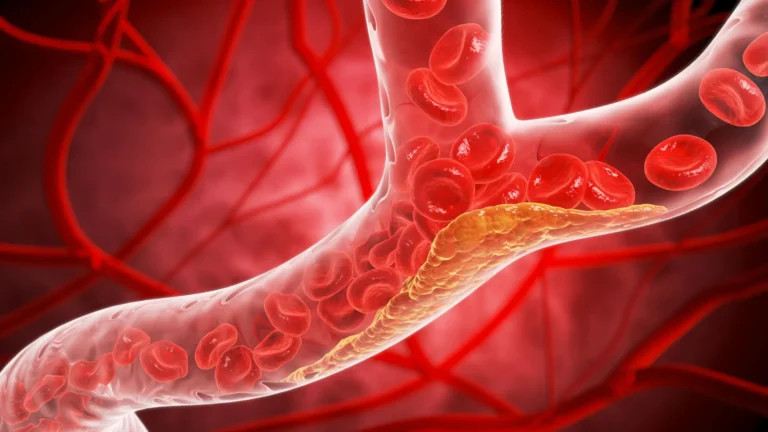
Chronic Venous Insufficiency (CVI) occurs when the valves within the leg veins—which are tasked with ensuring that blood travels efficiently back to the heart—become weakened or damaged. When these valves fail to function correctly, blood is allowed to pool in the lower extremities, a phenomenon known as venous reflux.
The Mechanism of Failure
Under normal physiological conditions, the leg muscles act as a pump, and one-way valves prevent the backflow of blood. In patients with CVI, this one-way system is compromised. The resulting "backward flow" leads to increased pressure within the veins, which can trigger a cascade of inflammatory processes, skin changes, and chronic pain.
Clinical Symptoms
The condition manifests through a variety of physical indicators, ranging from mild discomfort to severe dermatological issues:
- Edema: Persistent swelling, particularly around the ankles and calves.
- Varicose Veins: Enlarged, twisted veins visible beneath the skin.
- Dermatological Changes: Commonly referred to as "venous eczema" or "stasis dermatitis," these appear as red, itchy, or scaly patches on the lower legs.
- Chronic Discomfort: Patients frequently report sensations of heaviness, aching, throbbing, cramping, and "restless legs," particularly after long periods of standing or sitting.
- Advanced Complications: If left untreated, CVI can lead to venous ulcerations, which are painful, slow-healing wounds.
Chronology of the Presidential Diagnosis
The disclosure regarding President Trump’s health serves as a high-profile case study in the importance of proactive medical screening.
- Symptomatic Presentation: The President reported experiencing mild but persistent swelling in his lower leg, a classic early warning sign of venous issues.
- Clinical Evaluation: Following the onset of symptoms, the President underwent a medical examination. The White House reported that the diagnostic process was rigorous, specifically looking for acute emergencies.
- Ruling Out Acute Threats: A primary concern for any sudden leg swelling is Deep Vein Thrombosis (DVT), a condition where a blood clot forms in a deep vein. The medical team successfully ruled out DVT and arterial disease.
- Confirmation: The diagnosis of CVI was established, confirming that the swelling was related to the structural function of the veins rather than a sudden clotting event.
- Status Update: The White House confirmed that all other laboratory results were within normal limits, suggesting that the condition was identified at a stage where it can be managed through conservative care.
Supporting Data: The Link Between CVI and Cardiovascular Risk
The American Heart Association has long emphasized that CVI is not an isolated condition. Research indicates a strong association between chronic venous disease and an increased risk for cardiovascular disease (CVD) and mortality.
The Cardiovascular Nexus
Data suggests that the presence of CVI is an independent risk factor for systemic cardiovascular issues, even when adjusted for age, sex, and traditional risk factors like hypertension or diabetes. The condition is often found in patients who also present with:
- Advanced age
- Obesity
- History of smoking
- Sedentary lifestyle
- Clinically overt cardiovascular disease
The Importance of Differential Diagnosis
It is essential to distinguish CVI from Deep Vein Thrombosis (DVT). While both affect the legs, DVT is an acute, life-threatening condition. A piece of a DVT blood clot can break off, travel to the lungs, and cause a pulmonary embolism (PE), which can be fatal. CVI, by contrast, is typically a chronic, progressive condition that requires long-term management rather than immediate emergency intervention for clot dissolution.
Expert Perspective: Insights from the American Heart Association
Dr. Joshua A. Beckman, a past volunteer chair of the American Heart Association’s Vascular Health Advisory Committee, emphasizes that while CVI is common, it is frequently undertreated.
"Chronic Venous Insufficiency can significantly impact your quality of life, but early detection and treatment can make a substantial difference," Dr. Beckman noted. As the Executive Clinical Director of Cardiovascular Services at UT Southwestern Medical Center, Dr. Beckman highlights that the goal of treatment is to alleviate pressure, improve venous return, and prevent the progression to ulceration.
Diagnostic Modalities
Modern medicine relies on several non-invasive techniques to confirm a CVI diagnosis:
- Duplex Ultrasound: The gold standard for identifying backflow (reflux) and vein obstructions.
- Magnetic Resonance Venography (MRV): Used to visualize the venous system in high detail.
- Computed Tomography Venography (CTV): Helpful for identifying compressive syndromes that might be restricting blood flow.
Treatment Strategies and Management
Management of CVI is multifaceted, focusing on improving circulation and managing the physical symptoms that impede daily quality of life.
Conservative Therapy
- Compression Therapy: This is the cornerstone of treatment. It includes elastic garments, graded compression stockings, and multi-layer bandaging. These tools apply external pressure to the leg, helping the veins push blood back toward the heart.
- Mechanical Aids: Pneumatic pumps may be utilized to assist with blood flow in more severe cases.
- Pharmacological Intervention: Doctors may prescribe topical steroids to treat skin inflammation, antibiotics for secondary skin infections, or diuretics to manage edema.
Interventional Procedures
For patients who do not respond to conservative measures, interventional endovascular therapies are available. These are minimally invasive procedures where a catheter is inserted through a small incision in the groin. Using X-ray or ultrasound guidance, a specialist can remove obstructions or seal off diseased veins, allowing blood to reroute through healthier vessels.
Implications for Public Health and Awareness
The attention surrounding the President’s diagnosis provides a unique opportunity to educate the public. According to the AHA’s 2025 Heart Disease and Stroke Statistics, cardiovascular diseases remain the leading cause of death globally. By viewing CVI as a "window" into a patient’s overall vascular health, physicians can better identify patients who may be at risk for other, more dangerous cardiovascular events.
A Call to Action
- Awareness: Individuals experiencing persistent leg fatigue, swelling, or skin changes should not dismiss these as mere signs of aging.
- Screening: Early intervention is the most effective way to prevent the chronic pain and potential ulcerations associated with untreated CVI.
- Lifestyle Modifications: Since CVI is linked to sedentary lifestyles and obesity, the AHA continues to advocate for consistent physical activity and weight management as foundational elements of vascular health.
Conclusion
President Trump’s diagnosis serves as a reminder that even the most prominent individuals are subject to the chronic conditions that affect millions of Americans. By fostering a better understanding of Chronic Venous Insufficiency, the medical community can move toward a more proactive model of care—one that prioritizes early detection and comprehensive cardiovascular risk management. As the AHA continues to compile data and advocate for heart health, the focus remains clear: the leg veins tell a story about the heart, and it is a story that requires our attention.