








In the quiet, microscopic landscape of aging human skin, a silent accumulation is taking place. As we age, our cells undergo a process known as senescence. Often colloquially dubbed "zombie cells," these senescent entities have ceased their functional roles—they no longer divide or perform their intended biological tasks—yet they refuse to exit the stage. Instead, they linger, secreting a toxic cocktail of inflammatory signals that degrade surrounding tissue and impede the body’s innate ability to repair itself.
Now, a groundbreaking study published in Aging (Aging-US) has provided a potential roadmap for reclaiming that lost vitality. Researchers from the Boston University Aram V. Chobanian and Edward Avedisian School of Medicine have demonstrated that by using a topical senolytic drug, ABT-263, they could effectively clear these "zombie cells" from aged skin, resulting in significantly faster and more robust wound healing. This discovery offers a glimmer of hope for older adults who face prolonged recovery times following surgery or those struggling with the stubborn, slow-healing wounds that often accompany aging and chronic conditions.
The Chronology of Discovery: From Laboratory Bench to Clinical Potential
The journey toward this discovery was rooted in the growing understanding that cellular senescence is not just a byproduct of aging, but a driver of it. Led by a team including Maria Shvedova, Rex Jeya Rajkumar Samdavid Thanapaul, Joy Ha, and others at Boston University, the researchers sought to move beyond the systemic challenges of traditional drug delivery.
Phase 1: Identifying the Barrier
For decades, scientists have known that as skin ages, it loses its structural integrity and its ability to mount an effective inflammatory response to injury. The team identified that the accumulation of senescent cells creates a "senescence-associated secretory phenotype" (SASP). This phenotype acts like a chemical fog, constantly signaling distress and inflammation to healthy neighboring cells, effectively "clogging" the regenerative machinery of the skin.
Phase 2: Targeted Topical Intervention
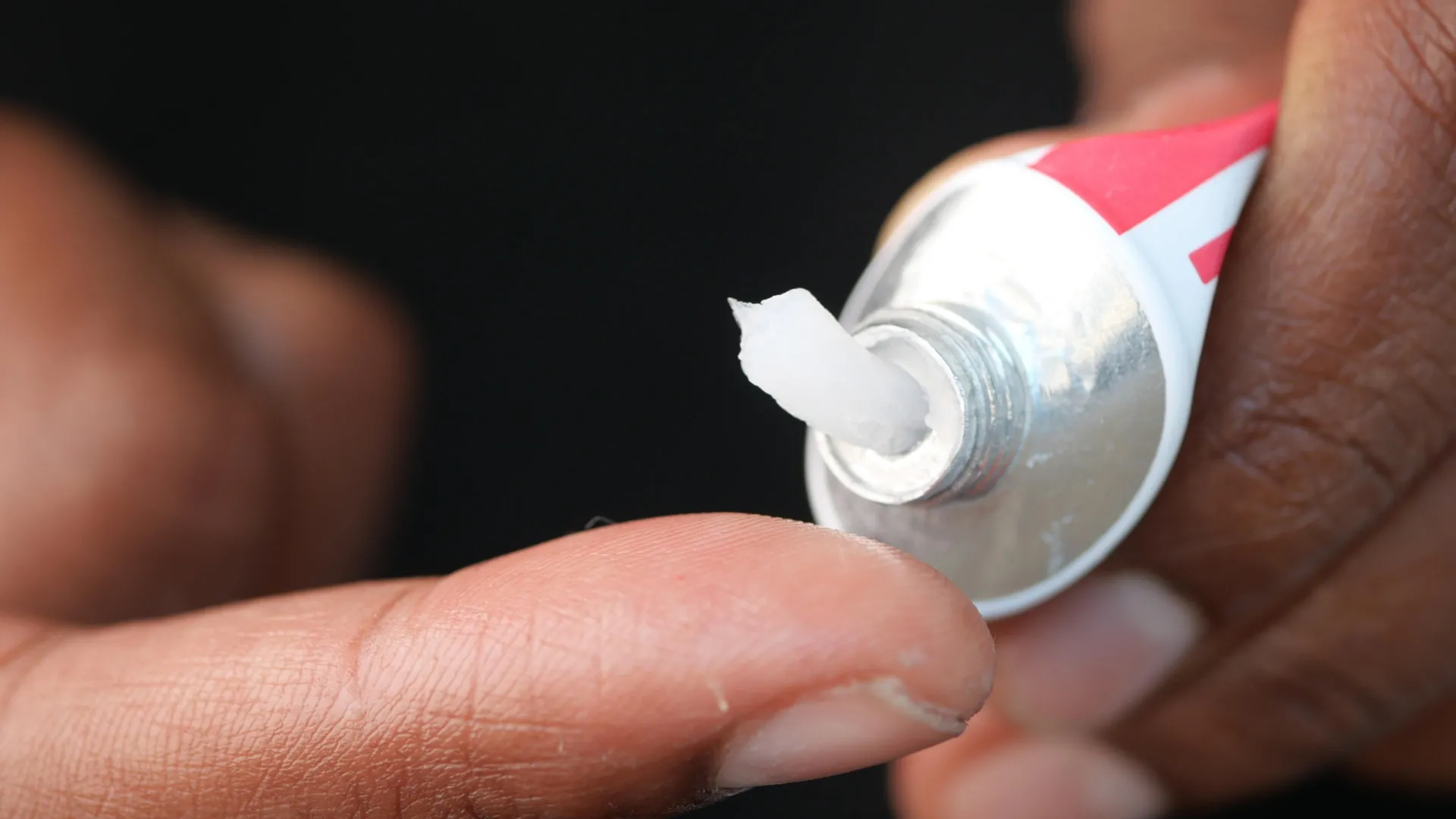
Recognizing that systemic senolytic drugs—those taken orally—often come with the risk of off-target side effects throughout the body, the team opted for a topical approach. By applying ABT-263 directly to the skin of aged mice over a five-day period, they sought to selectively induce apoptosis (programmed cell death) in the senescent cells without affecting the healthy, youthful population of the skin.
Phase 3: The Proof of Healing
Following the treatment, the researchers inflicted minor, controlled wounds on the mice. The results were striking. By day 24, a staggering 80% of the treated mice had achieved full wound closure, compared to just 56% of the untreated control group. The data suggested that by removing the "biological static" created by senescent cells, the skin was able to re-engage its dormant healing pathways.
Supporting Data: Mechanisms of Accelerated Recovery
The efficacy of ABT-263 lies in its ability to selectively target the pathways that keep senescent cells alive. However, the most profound insight from the study was not just the clearing of cells, but the paradoxical role of inflammation.
The "Inflammatory Reset"
One of the more counterintuitive findings was that the application of ABT-263 triggered a short, intense burst of inflammation. In clinical medicine, chronic inflammation is the enemy of healing. Yet, in this context, the localized, acute inflammation acted as a biological "reset button." It appeared to prime the local tissue, waking up dormant healing genes.
The researchers observed a marked increase in gene activity related to:
- Collagen Synthesis: The primary structural protein needed for skin strength.
- Angiogenesis: The formation of new blood vessels, essential for transporting oxygen and nutrients to the wound site.
- Tissue Remodeling: The organized process of rebuilding the extracellular matrix.
By clearing the senescent cells, the researchers essentially removed the "brakes" that the aging process had placed on these vital healing mechanisms.
Implications for Future Medical Practice
The implications of this research extend far beyond the laboratory. If these results can be translated to human clinical settings, the standard of care for geriatric surgery and chronic wound management could be fundamentally transformed.
Preoperative Preparation
Currently, surgeons are often wary of operating on older patients due to the high risk of delayed healing or wound dehiscence (the reopening of a surgical incision). A topical "pre-habilitation" strategy—whereby a patient applies a senolytic treatment to the incision site in the days leading up to surgery—could prime the skin to respond to the trauma of a scalpel with the vigor of a much younger patient.
Tackling Chronic Wounds
Diabetes and vascular diseases often result in chronic wounds that refuse to heal, leading to infections, systemic complications, and even amputations. The development of advanced wound dressings infused with senolytics represents a frontier in regenerative medicine. Recent studies, such as the 2026 research into ABT-263-laden dressings, confirm that this approach can reduce the senescent cell burden in diabetic models without causing systemic toxicity, providing a pathway for localized, high-impact therapy.
Official Responses and Scientific Context
The broader scientific community has met these findings with a mix of enthusiasm and rigorous, measured caution. The 2025 review in Ageing Research Reviews highlighted that while cellular senescence is undoubtedly a key contributor to skin pathology, it is not an inherently "evil" process.
As noted in a 2024 Frontiers in Immunology review, senescent cells play a legitimate role in the early stages of natural wound repair. They act as temporary signals to recruit immune cells to the site of damage. The challenge for future therapies, therefore, is not the total eradication of all senescent cells, but the precision timing of their removal. If the "good" senescent cells are cleared too early, healing might be impaired; if the "bad" ones are left too long, they cause chronic damage.
The Boston University team acknowledges this nuance. Their study underscores that the treatment is most effective in older tissue where these cells have reached an unhealthy, persistent density. In young, healthy skin, the treatment showed little to no effect, suggesting a highly desirable "safety ceiling" where the drug only acts when the target (senescence) is present.
Addressing the Path Ahead: Safety and Clinical Hurdles
Despite the promise, the road to the pharmacy shelf is long. The researchers are clear that these findings are preliminary. To transition this from mouse models to human clinical trials, several critical questions must be addressed:
- Dosing and Delivery: Determining the optimal concentration of ABT-263 to ensure it penetrates the skin deeply enough to reach senescent cells without entering the bloodstream.
- Long-Term Safety: Ensuring that the periodic removal of senescent cells does not interfere with the natural, healthy turnover of skin cells over years of repeated use.
- Human Efficacy: Human skin is structurally more complex than murine skin, possessing different thicknesses and immune responses. Clinical trials must determine if the "healing boost" translates to the thicker, more weathered skin of elderly humans.
Conclusion: A New Era for Regenerative Aging
The concept of targeting "zombie cells" represents a paradigm shift in how we approach the aging body. Rather than simply managing the symptoms of aging—the wrinkles, the thinning skin, the slow recovery—this approach targets the underlying biological cellular dysfunction.
As the field continues to evolve, the integration of senolytic therapy into wound care could redefine the experience of aging. For an older adult, a surgery or an accidental injury no longer needs to be a source of prolonged anxiety or permanent disability. By refining our ability to clear the old to make room for the new, medical science is moving closer to a future where the skin—our largest organ—can maintain its resilience, regardless of the years behind it.
The research conducted by the team at the Boston University Aram V. Chobanian and Edward Avedisian School of Medicine is more than just a successful experiment; it is a testament to the fact that aging, while inevitable, does not have to be a barrier to healing. Through the careful application of science, we are learning how to help the body help itself.