







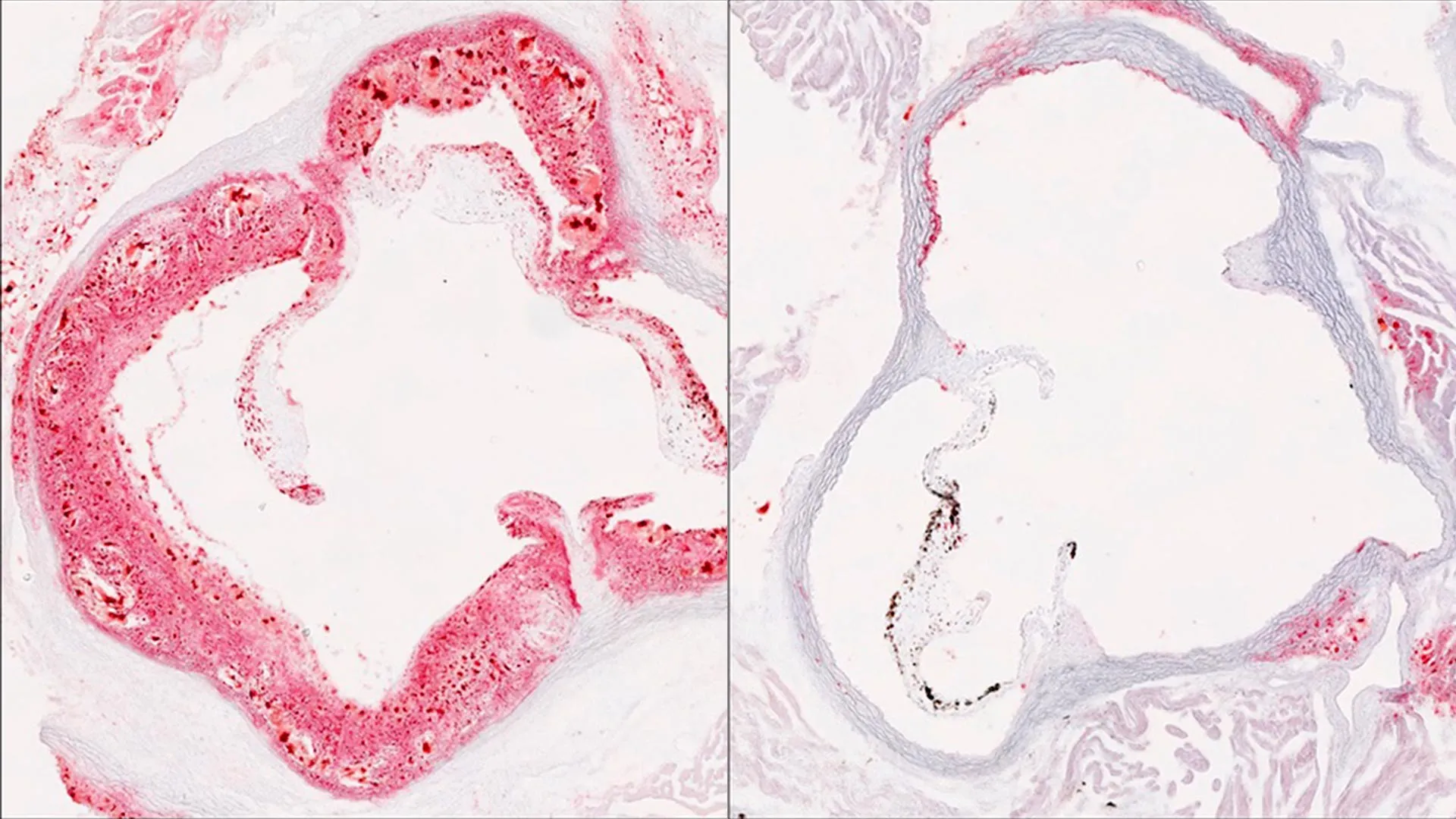
In a breakthrough that could fundamentally alter the landscape of cardiovascular medicine, researchers at UT Southwestern Medical Center have identified a critical protein that serves as a molecular "control knob" for cholesterol production. The discovery of the protein, known as HELZ2, offers a revolutionary approach to managing blood lipids, potentially paving the way for a new class of therapies that move beyond the limitations of current statin-based treatments.
The findings, published in the American Heart Association journal Circulation, describe a mechanism that governs how the liver releases cholesterol-carrying particles into the bloodstream. By intervening at the earliest stage of genetic signaling, this discovery opens a new frontier in the treatment of atherosclerosis, heart disease, and metabolic liver disorders.
The Core Discovery: Controlling Cholesterol at the Source
For decades, the standard of care for patients with high cholesterol—specifically low-density lipoprotein (LDL), often termed "bad" cholesterol—has focused on inhibiting enzymes like HMG-CoA reductase, the pathway targeted by statins. While effective, these medications do not address the genetic assembly line that creates the very particles that transport cholesterol throughout the body.
The UT Southwestern team, led by Dr. Zhao Zhang, Assistant Professor in the Center for the Genetics of Host Defense and Internal Medicine, identified HELZ2 as a master regulator of apolipoprotein B (APOB). The APOB gene is the essential blueprint for apoB proteins, which act as the structural "scaffolding" for lipoproteins—the tiny, fatty transport vehicles that carry cholesterol and triglycerides through the circulatory system.
"These particles are a major driver of plaque buildup in the arteries," Dr. Zhang explained. "What we found is that HELZ2 acts as a powerful control point for how many cholesterol-carrying particles ultimately enter the bloodstream. By modulating this protein, we are essentially accessing the control room of lipid metabolism."
Chronology of the Research: From Genetic Screening to Molecular Insight
The path to this discovery was neither linear nor traditional. It began with a large-scale genetic screening program spearheaded by Nobel Laureate Dr. Bruce Beutler, Director of the Center for the Genetics of Host Defense. Dr. Beutler’s lab has long utilized advanced genetic mapping to identify the function of previously uncharacterized genes in mice.
The Observation of Anomaly
The research team initially observed an unexpected phenotype in a cohort of mice: they exhibited a significant, unusual buildup of fat within their liver tissue. Upon deeper investigation, the researchers identified a "gain-of-function" mutation that resulted in the hyper-activation of the HELZ2 protein.
The Mechanism Unveiled
As the scientists tracked the effects of this mutation, they realized the mutation was destabilizing the messenger RNA (mRNA) of the APOB gene. Messenger RNA is the intermediary molecule that carries genetic instructions from the DNA in the cell nucleus to the cellular machinery responsible for protein synthesis.
By increasing the degradation rate of APOB mRNA, HELZ2 effectively prevents the liver from ever producing the apoB protein. Without the protein scaffold, the liver cannot assemble the lipoproteins necessary to package cholesterol and triglycerides for transport into the blood. This discovery shifted the focus of the research from post-translational protein regulation to transcriptional and mRNA-level control.
"Most previous research focused on what happens to apoB after it’s already made," said Dr. Yiao Jiang, a postdoctoral researcher in the Zhang Lab and study co-author. "What surprised us is that HELZ2 acts much earlier, by controlling how long the apoB ‘message’ survives before the protein is even produced."
Supporting Data: The Balancing Act of Metabolic Health
The study’s findings revealed a fascinating, albeit complex, trade-off. When HELZ2 activity was high, the researchers observed two distinct outcomes:
- Cardiovascular Protection: The mutation led to a marked decrease in the circulation of LDL cholesterol and triglycerides. Consequently, the mice were highly resistant to atherosclerosis, the arterial clogging process that leads to heart attacks and strokes.
- Hepatic Implications: Conversely, the same mice exhibited increased lipid accumulation in the liver—a condition known as hepatic steatosis.
This data highlights a critical metabolic equilibrium. The liver acts as a processing center; when it is inhibited from exporting fats into the bloodstream, those lipids have to go somewhere, and they often remain trapped in the liver.
Dr. Zhang characterizes HELZ2 as a "dial" between the liver and the bloodstream. "Turning it up lowers cholesterol in the blood but increases liver fat. Turning it down does the reverse," he noted. This dual-action nature makes HELZ2 an incredibly sensitive therapeutic target. The challenge for future clinical application will be to find the "Goldilocks zone"—a level of HELZ2 modulation that reduces cardiovascular risk without triggering or exacerbating fatty liver disease.
Official Responses and Scientific Significance
The academic community has received the study with significant interest, noting that it provides a "molecular lever" previously unavailable to clinicians.
The research was supported by competitive grants from the National Institute of Diabetes and Digestive and Kidney Diseases (NIDDK) of the National Institutes of Health. The involvement of Dr. Bruce Beutler, who shared the 2011 Nobel Prize in Physiology or Medicine for his work on immune cell receptors, adds considerable weight to the findings. Dr. Beutler’s expertise in large-scale phenotypic screening was instrumental in identifying HELZ2, a protein that had previously escaped detailed functional characterization.
"The idea that we can control apoB at the RNA level represents a major shift in how we think about cholesterol regulation," Dr. Zhang emphasized. "It gives us a new set of tools for tackling these conditions, moving us away from blunt-force enzymatic inhibition and toward precision genetic regulation."
Implications for Future Medicine
The implications of this study are far-reaching. As the global prevalence of metabolic syndrome, obesity, and heart disease continues to climb, the medical community is in urgent need of alternatives to statins—especially for patients who suffer from side effects or who do not achieve their target cholesterol levels with current treatments.
A Paradigm Shift in Treatment
Current drugs are often reactive, attempting to lower cholesterol levels after the metabolic pathways have already been activated. HELZ2 represents a proactive, upstream intervention. If researchers can develop small molecules or gene-silencing therapies that safely modulate HELZ2, it could offer a dual-purpose treatment:
- For Cardiology: A potent, highly specific way to lower LDL cholesterol, reducing the risk of cardiovascular events.
- For Hepatology: A potential mechanism to manage liver fat, provided the modulation is calibrated to prevent the unintended consequences seen in the mouse models.
Challenges Ahead
While the discovery is promising, the transition from murine models to human clinical trials is complex. The liver-heart axis is a delicate system; researchers must now determine how to manipulate HELZ2 without causing systemic metabolic disruption. Future studies will likely focus on tissue-specific delivery mechanisms, ensuring that any HELZ2-modulating therapy targets the liver specifically, thereby avoiding off-target effects in other organs.
Furthermore, scientists must conduct longitudinal studies to understand the long-term impact of mRNA-level regulation of APOB. Because apoB is fundamental to the transport of essential dietary fats and fat-soluble vitamins, complete inhibition is not the goal. Instead, the focus will be on the "fine-tuning" of the HELZ2 dial to optimize human health.
Conclusion
The identification of HELZ2 as a regulator of APOB mRNA is a triumph of modern genetic research. By bridging the gap between the liver’s storage capacity and the bloodstream’s cholesterol load, Dr. Zhang and his colleagues at UT Southwestern have revealed a hidden mechanism that could redefine metabolic health.
As the medical community moves toward an era of personalized, precision medicine, the ability to intervene at the RNA level—the very instructions of life—offers a beacon of hope. While the road to a clinical therapy is long, the discovery of this molecular dial provides a powerful new direction in the ongoing battle against the world’s leading causes of mortality. The research underscores the necessity of continued investment in basic science, where the most complex problems often find their answers in the smallest, most fundamental building blocks of human biology.