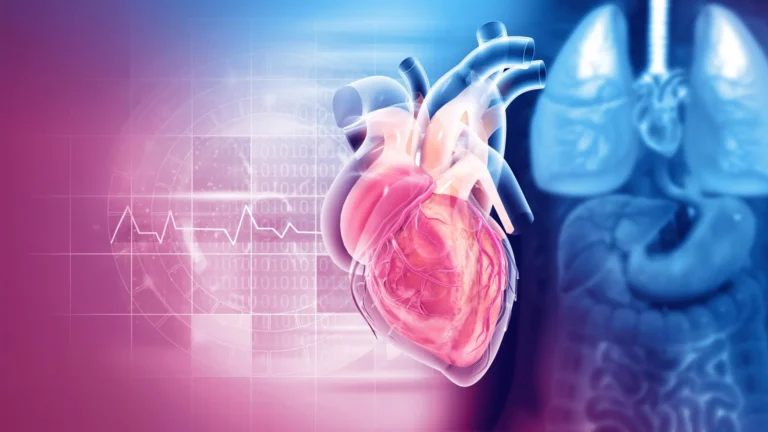








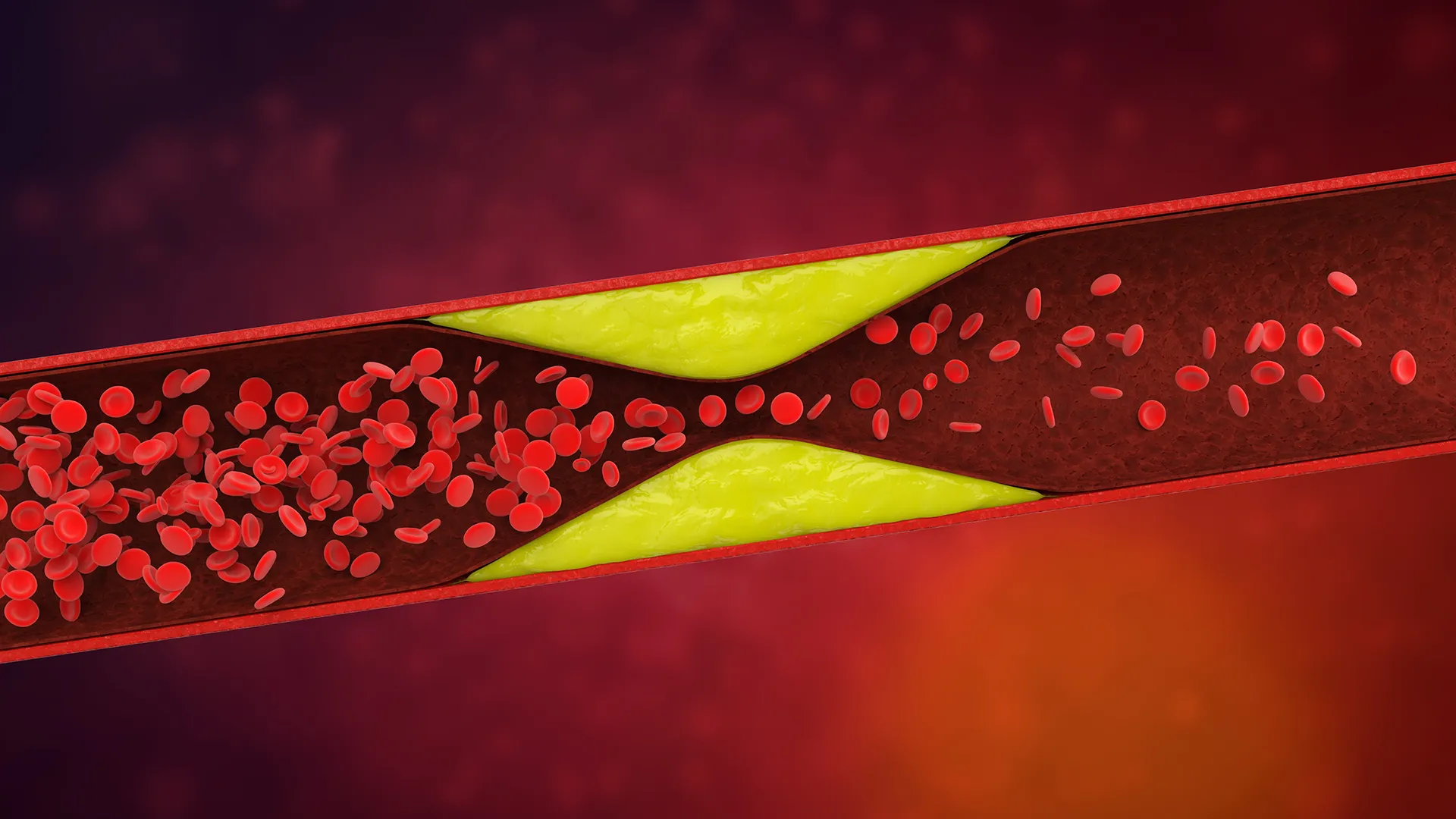
Blood clots represent one of the most significant, yet often under-discussed, health challenges in modern medicine. While the public is frequently cautioned about the risks of strokes and heart attacks—conditions linked to arterial blockages—a quieter, equally lethal threat looms in our veins: venous thromboembolism (VTE). New research from Lund University in Sweden is now shedding light on the complex genetic architecture of this condition, revealing that for many, the risk of a life-threatening clot is written into their DNA.
The Bifurcated Threat: Arteries vs. Veins
To understand the scope of the problem, one must first distinguish between the two primary types of blood clots. Arterial and venous clots are distinct entities, driven by different physiological triggers and demanding different clinical approaches.
Arterial thrombosis typically occurs in the high-pressure environment of the arteries. It is frequently the result of atherosclerosis—the buildup of plaque in vessel walls. When this plaque becomes unstable and ruptures, the body misinterprets the event as a traumatic injury. Platelets are rapidly activated, clumping together to form a clot at the site of the rupture. This obstruction can instantly deprive vital organs of oxygen, leading to the devastating clinical outcomes of heart attacks or strokes.
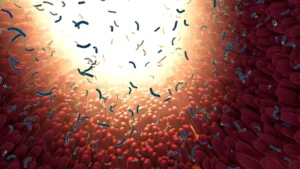
In contrast, venous thrombosis is a disease of low-pressure, sluggish circulation. It most commonly manifests in the deep veins of the legs (Deep Vein Thrombosis, or DVT). When blood flow stagnates—due to inactivity, gravity, or vessel damage—the body’s coagulation cascade is inadvertently triggered. If a piece of this venous clot breaks free, it becomes an embolus, traveling through the circulatory system until it reaches the lungs. This condition, known as pulmonary embolism, is a life-threatening emergency that ranks among the leading causes of death globally.
The Demographic Surge: Why Clots Are on the Rise
In Sweden, over 10,000 individuals are diagnosed with venous thromboembolism annually, and health authorities have observed a concerning upward trend. This increase is multifaceted, driven by both demographic shifts and lifestyle factors.
"Venous thrombosis is in fact one of the most common causes of death in the world," says Bengt Zöller, a specialist in general medicine at Skåne University Hospital and professor at Lund University. "It is a common disease that has always been somewhat overshadowed by arterial blood clots."
The primary driver is the aging population. As the proportion of elderly citizens increases, so does the incidence of clotting; clinical data indicates that approximately 10 percent of 80-year-olds will experience a blood clot at some point in their lives. However, age is not the only factor. Anthropometric traits, such as being tall, also play a role. Because the muscles of the legs act as a pump for venous return, taller individuals face the challenge of moving blood across a longer vertical distance against gravity, often through larger veins that may be less efficient at maintaining flow.
The Role of Lifestyle and Physical Environment
Unlike arterial clots, which are strongly linked to the "traditional" cardiovascular risk factors of high blood pressure, elevated lipids, and smoking, venous thrombosis behaves differently. Because the venous system is a low-pressure circuit, it is generally immune to the specific mechanisms of atherosclerosis.
"High blood pressure and high blood lipids are not associated with venous clots, and smoking is considered only a weak to moderate risk factor," explains Zöller. Instead, the venous system is highly sensitive to physical stasis. Obesity is a major culprit; excess weight puts mechanical pressure on the veins and often coincides with a more sedentary lifestyle. Furthermore, obesity can alter the concentration of certain clotting factors, shifting the body toward a hypercoagulable state.
Dietary habits also appear to play a role, albeit one that requires further longitudinal study. Emerging evidence suggests that ultra-processed foods correlate with higher risks, while plant-based, nutrient-dense diets may offer protective benefits. Notably, researchers have observed that commercial fishermen—whose diets are rich in omega-3 fatty acids—often exhibit lower rates of thrombosis, hinting at the potential anti-inflammatory and blood-thinning properties of specific dietary lipids.
Genetic Vulnerability: The "Factor V" Legacy and Beyond
For decades, the "Factor V Leiden" mutation has been the primary genetic suspect for blood clotting in Western populations. Approximately 10 percent of Swedes carry this mutation, which causes APC (activated protein C) resistance, effectively making the blood "stickier."
"Evolutionarily, bleeding less has been an advantage," Zöller notes. "But in our modern, sedentary society, APC resistance is becoming a risk factor."
However, the team at Lund University recently embarked on a massive effort to identify what else might be hidden in the human genome. Utilizing data from the population-based Malmö Diet Cancer study, which tracked 30,000 residents, the researchers cross-referenced 27 genes known to influence clotting. Their findings were groundbreaking.
The New Genetic Markers: ABO, F8, and VWF
The researchers identified three specific gene variants—ABO, F8, and VWF—that significantly contribute to the risk of venous thrombosis. Individually, each of these variants increases the risk of a leg clot by 10 to 30 percent. Crucially, the risk is additive.
"The more of these variants a person has, the higher the risk," Zöller explains. "An individual with five of these gene variants has a 180 percent higher risk of venous thrombosis."
Unlike Factor V Leiden, which is largely confined to Indo-European populations, these three variants are ubiquitous, found in between 5 and 50 percent of global populations. This universality makes the discovery globally significant, providing a potential screening tool for populations that were previously thought to be at lower genetic risk.
Clinical Implications: The Future of Personalized Prophylaxis
The transition from identifying these genetic markers to clinical application is the next frontier for the Lund University team. Currently, doctors assess risk based on circumstantial triggers: prolonged bed rest, surgical procedures, long-haul air travel, or pregnancy—all states where blood flow is reduced or clotting factors are naturally elevated.
"In these risk situations, prophylaxis in the form of blood thinners may be particularly important if other risk factors are also present," says Zöller.
The goal is to move toward a model of precision medicine. By determining an individual’s genetic "clotting score," clinicians could tailor the duration and intensity of anticoagulant therapy. For example, a patient with a high number of the identified gene variants might require more aggressive or extended blood-thinning treatment following surgery compared to a patient without those markers.
Conclusion: A Shift in Perspective
The research conducted at Lund University serves as a vital reminder that our health is a dialogue between our lifestyle and our biological blueprint. As we continue to live increasingly sedentary lives, the genetic predispositions we carry—some of which were once evolutionary advantages—are becoming liabilities.
Understanding that 180 percent of additional risk can be tucked away in one’s genetic profile changes the medical narrative. It shifts the burden of prevention from reactive treatment to proactive, personalized assessment. As Zöller concludes, "I think tailoring treatment based on risk assessment will become increasingly important."
By integrating genetic screening with an understanding of physical risk factors, modern medicine is finally beginning to peel back the layers of venous thrombosis, offering hope that the "shadowed" disease of the past will be better managed, and more effectively prevented, in the future.