


As the global population ages, the challenge of maintaining robust health in the elderly has moved to the forefront of medical research. One of the most significant hurdles in geriatric medicine is "immunosenescence"—the gradual, natural decline of the immune system that renders older adults more susceptible to infections and less responsive to life-saving vaccinations. However, a promising new study published in the journal Aging Cell suggests that a naturally occurring compound, spermidine, may offer a key to rejuvenating immune function and bolstering the body’s defenses against viral threats.
The Core Discovery: A Molecular Boost for Immunity
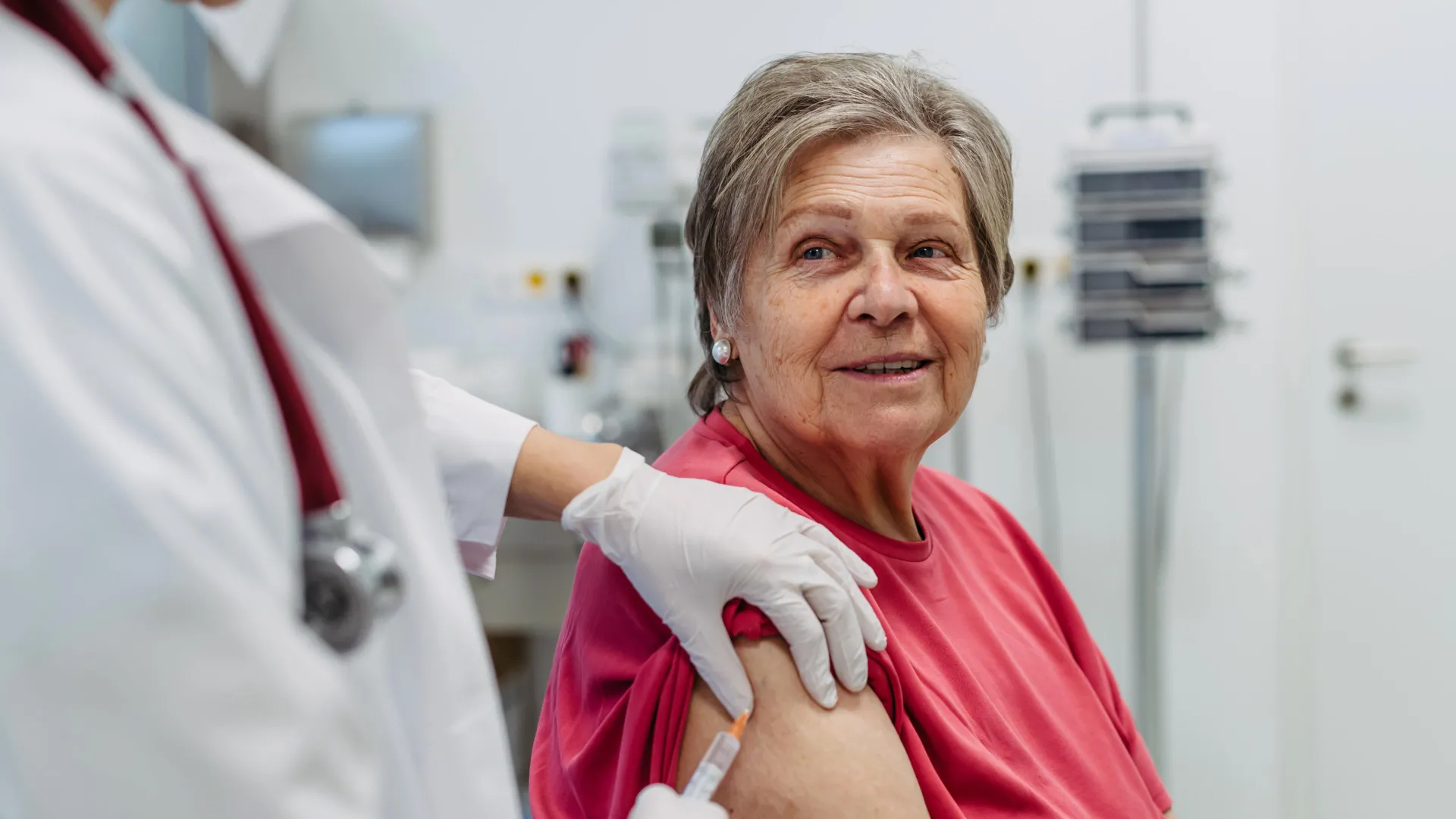
The research, a collaborative effort between the Max Delbrück Center and the University of Oxford’s Nuffield Department of Orthopaedics, Rheumatology & Musculoskeletal Sciences (NDORMS), has identified a potential nutritional intervention to mitigate the effects of immune aging. By administering daily spermidine supplements to older adults following their COVID-19 booster shots, researchers observed a marked improvement in immune responses among individuals who previously showed poor vaccine efficacy.
Spermidine, a polyamine found in human cells and dietary staples such as wheat germ, mushrooms, and aged cheeses like parmesan and cheddar, has long been studied for its role in cellular health. This study provides the first clinical evidence that supplementation can actively reverse signs of biological aging in immune cells, potentially bridging the gap between chronological age and immunological fitness.
Chronology of the Research: From Laboratory Theory to Pilot Trial
The journey toward these findings began with a deep-seated curiosity regarding the mechanisms of cellular aging.
Phase 1: Identifying the Gap
For years, scientists have observed that while vaccines against pathogens like influenza and SARS-CoV-2 are effective for the general population, a significant subset of the elderly population—often referred to as "nonresponders"—fails to mount a robust protective response. These individuals often produce fewer antibodies and exhibit a diminished T-cell response, leaving them vulnerable to severe outcomes despite multiple doses of vaccines.
Phase 2: The Pilot Study Design
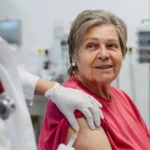
To test if spermidine could reverse this trend, a team led by Dr. Katja Simon of the Max Delbrück Center and Dr. Ghada Alsaleh of the University of Oxford recruited 40 healthy volunteers aged 65 and older. The participants were monitored following their third COVID-19 vaccination. For 13 weeks, the cohort was divided into two groups: one receiving six milligrams of spermidine daily, and the other receiving a placebo.
Phase 3: The Findings
The study revealed that approximately one-quarter of the participants were "nonresponders" who exhibited high levels of biological aging in their immune cells. These individuals displayed significant DNA damage and high levels of markers associated with cellular senescence—a state where cells cease to divide and function properly, effectively becoming "zombie cells" that clutter the immune system. Upon completion of the 13-week trial, those in the spermidine group showed a significant increase in antibody levels and, crucially, a stronger neutralizing capacity against various SARS-CoV-2 variants compared to the placebo group.
Supporting Data: Understanding Autophagy and Senescence
The biological mechanism underpinning these results centers on a process known as autophagy.
The Role of Autophagy
Autophagy is the body’s internal "recycling program." It is a vital maintenance process that allows cells to break down and dispose of damaged components, misfolded proteins, and dysfunctional organelles. As humans age, the efficiency of autophagy declines, leading to the accumulation of cellular "trash." This buildup is a primary driver of immunosenescence.
Spermidine acts as a natural inducer of autophagy. By upregulating this recycling process, the compound helps clear away the debris that hinders immune cells from functioning at peak performance. The study confirmed that participants who took the supplement exhibited lower markers of cellular senescence, suggesting that their immune cells were effectively "cleaned" and revitalized, allowing them to better recognize and respond to the vaccine’s instructions.
DNA Integrity and Resilience
In addition to clearing cellular waste, the researchers noted that the participants receiving spermidine showed reduced markers of DNA damage. By preserving the integrity of the genetic material within immune cells, spermidine allows these cells to replicate and respond more accurately when challenged by a pathogen. This stabilization is critical for the development of high-affinity antibodies, which are the immune system’s "precision weapons" against viruses.
Official Responses and Expert Perspectives
The research team, which included prominent experts from the Oxford Vaccine Group—such as Drs. Paul Klenerman, Teresa Lambe, and Lucy Jones—emphasizes the importance of these findings in the context of global health.
"Many older adults respond well to vaccines," notes Dr. Ghada Alsaleh. "But some do not develop strong protection, even after repeated vaccination. Biological aging of immune cells may be one reason why this happens. Our findings suggest that spermidine could help restore aspects of immune function in this group."
Dr. Katja Simon, who oversaw the project, maintains a cautious but optimistic outlook. She stresses that while the results are statistically significant within the pilot group, they must be validated through larger, more diverse trials. "This study was designed as a pilot trial and involved a relatively small number of participants," Simon explains. "Larger studies will be needed to determine whether spermidine can consistently improve vaccine responses and whether similar effects are seen with other vaccines, such as those used against seasonal influenza."
The involvement of Cardiff University’s Owen B. Spiller further lends weight to the study, as the team utilized sophisticated assays to measure the quality of the antibodies produced, rather than just the quantity. This focus on "neutralizing activity" is the gold standard in vaccine research, indicating that the immune boost was not just measurable, but functional.
Implications for Future Medicine
The potential implications of this research are vast, touching on everything from geriatric care to public health policy.
Rethinking Vaccination Strategies
If future, larger-scale studies confirm these results, we may see a paradigm shift in how we vaccinate the elderly. Rather than simply increasing the dosage of vaccines—which can sometimes increase side effects—clinicians might consider "immunometabolic priming." By administering compounds like spermidine in the weeks leading up to a vaccination, doctors could potentially "prime" the immune system to be more receptive, effectively turning nonresponders into responders.
The "Longevity Medicine" Movement
Beyond vaccines, the use of spermidine fits into the growing field of longevity medicine, which seeks to treat the underlying causes of aging rather than just the resulting symptoms. If spermidine can successfully reduce cellular senescence, it may have applications far beyond immunity. Potential benefits could include the mitigation of chronic inflammatory diseases, cognitive decline, and cardiovascular issues, all of which are linked to the accumulation of senescent cells.
Safety and Accessibility
One of the most encouraging aspects of the study was the safety profile of the intervention. The researchers reported that the supplement was well-tolerated, with no adverse effects observed during the 13-week trial. Because spermidine is a natural compound found in common foods, there is significant potential for high public acceptance and compliance. However, it is essential that individuals consult with their healthcare providers before beginning any supplement regimen, as the long-term effects and ideal dosages for various demographics are still under investigation.
Conclusion: A Path Toward Resilient Aging
The findings published in Aging Cell offer a glimmer of hope for millions of older adults who find themselves at a disadvantage when facing modern infectious threats. By targeting the biological "clutter" that accumulates within our cells over time, researchers have opened a new door to restoring the vigor of the human immune system.
As we look toward the future, the integration of nutritional science with clinical immunology represents one of the most exciting frontiers in medicine. While we are not yet at the stage of recommending universal spermidine supplementation, the success of this pilot trial provides a solid foundation for the next generation of clinical research. If we can successfully "re-calibrate" the immune system, we may find that the aging process—and the vulnerabilities that come with it—is far more malleable than previously believed. The goal is clear: to ensure that as we live longer lives, we also possess the internal machinery to live those lives in full, protected health.