







The European Respiratory Society (ERS) has officially unveiled its distinguished list of scientific award winners for 2026. This annual recognition serves as the pinnacle of the Society’s commitment to fostering innovation, advocacy, and clinical excellence within the global respiratory community. By honoring leaders who have dedicated their careers to the prevention, treatment, and understanding of lung diseases, the ERS continues to solidify its role as a vanguard in medical progress.
The 2026 cohort represents a diverse cross-section of global talent, ranging from pioneering researchers in basic science to tireless advocates who have shifted the landscape of respiratory policy. As the global burden of respiratory disease remains a critical public health challenge, these awards underscore the vital importance of the work being conducted in laboratories, clinics, and legislative halls worldwide.
Main Facts: A Global Standard for Respiratory Achievement
The ERS awards are not merely accolades; they are a benchmark of scientific rigor and dedication. For 2026, the Society has bestowed honors upon individuals whose contributions have left an indelible mark on respiratory medicine.
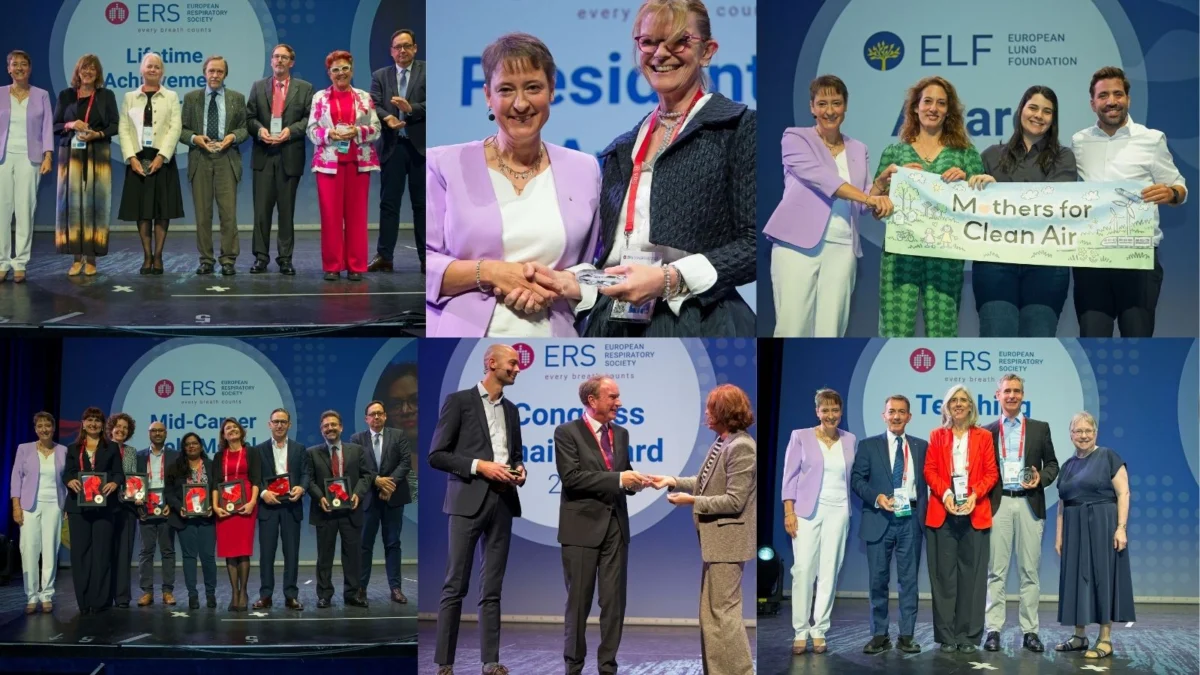
At the highest level of recognition, Sylvia Hartl has been awarded the ERS Presidential Award, while Alvar Agustí receives the ERS Congress Chair Award. Both recipients have been lauded for their monumental contributions to the advancement of respiratory medicine on an international scale. These awards represent the society’s highest level of appreciation for leadership that transcends borders and disciplines.
The 2026 list also highlights the "Mid-Career Gold Medals," which identify the next generation of intellectual leaders. This year’s recipients, including Reinoud Gosens (Basic and Translational Sciences), Manuel Sanchez De-La-Torre (Sleep-Disordered Breathing), Hitasha Rupani (Airway Diseases, Asthma, COPD, and Chronic Cough), Laurens Ceulemans (Thoracic Surgery and Transplantation), and Aran Singanayagam (Respiratory Infections), reflect the breadth of modern pulmonary medicine. These researchers are noted not only for their impressive track records but for the immense potential they hold for future breakthroughs.
Chronology of Recognition: A Legacy of Innovation
The ERS awards program has evolved over several decades, mirroring the rapid expansion of respiratory science. What began as a smaller effort to encourage scientific exchange has grown into a complex, multi-tiered structure that now includes lifetime achievement honors, advocacy awards, and specialized teaching accolades.
The Evolution of the Sadoul Lecture
Among the most storied of these honors is the ERS Sadoul Lecture Award, granted this year to Anne Chang. Named after Paul Sadoul, the founder of the SEPCR and a pivotal figure in the development of the European Respiratory Journal, the award commemorates a history of excellence in respiratory physiology. By honoring a senior scientist of worldwide reputation, the ERS ensures that the legacy of the Society’s founders remains a living part of its modern identity.
Lifetime Achievement and Institutional Growth
The Assembly Lifetime Achievement Awards—distributed across various sub-specialties—represent a historical perspective on clinical development. The 2026 recipients include:
- Matthias Griese (Assembly 7): Recognized for a lifetime of excellence in paediatrics.
- Sally Singh (Assembly 9): Honored for her pioneering work as an allied respiratory professional.
- Marion Delcroix (Assembly 13): Acknowledged for her significant impact on pulmonary vascular diseases.
- Venerino Poletti (Assembly 14): Celebrated for his contributions to clinical techniques, imaging, and endoscopy.
These awards map the professional journey of the field, honoring those who have spent decades refining diagnostic and therapeutic techniques that are now considered standard practice.
Supporting Data: Why These Fields Matter
The selection of these specific categories—ranging from sleep-disordered breathing to thoracic transplantation—is not arbitrary. It reflects the most pressing health crises currently facing the global population.
The Rise of Sleep and Airway Research
With the increasing prevalence of sleep-disordered breathing and chronic respiratory conditions like COPD and asthma, the ERS has prioritized research in these domains. The Mid-Career Gold Medals for Manuel Sanchez De-La-Torre and Hitasha Rupani highlight the urgent need for new therapeutic targets in these chronic areas. According to recent WHO data, COPD remains one of the leading causes of mortality globally; thus, the focus on these specific career-stage awards is a strategic move to nurture researchers capable of addressing these "slow-motion pandemics."
Advocacy as a Pillar of Medicine
The inclusion of the ERS Advocacy Mid-Career Award (James Chalmers) and the ERS Advocacy Lifetime Achievement Award (Luke J. Clancy) acknowledges that medical knowledge alone is insufficient. Real-world change requires policy reform, tobacco control, and public health awareness. By elevating advocates to the same level as laboratory scientists, the ERS sends a clear message: the physician’s role extends beyond the bedside into the heart of societal policy.
Official Responses and Educational Commitment
Education remains the bedrock of the ERS mission. This year, the ERS Educational Award was presented to Anita Simonds, recognizing her extraordinary magnitude of contribution to respiratory medicine education. Furthermore, the ERS Teaching Awards were granted to Apostolos Bossios and Esther Irene Schwarz for their dedicated efforts in content development and event facilitation.
The Society’s emphasis on education is further evidenced by the inclusion of the HERMES examination winners and the Early Career Member Award, which went to Amy Hai Yan Chan. By providing platforms for young researchers and recognizing those who teach them, the ERS is actively investing in the longevity of the field.
In an official statement, the Society emphasized that these winners represent the "best of the best," chosen through a rigorous peer-review process that assesses impact, innovation, and leadership potential. The Society noted that these individuals are not just winners; they are the mentors, investigators, and leaders who will shape the future of pulmonary health for the next decade.
Implications: The Future of Respiratory Health
The announcement of the 2026 award winners signals a shift toward a more integrated approach to respiratory medicine. As the field becomes increasingly multidisciplinary, the winners represent a bridge between basic science, clinical application, and patient advocacy.
Global Impact and Scientific Development
The ERS Scientifically Developing Countries (SDC) Lifetime Achievement Award, granted to Carlos Luna, is particularly significant. It highlights the importance of the ERS as a global organization. Respiratory diseases do not respect borders, and by recognizing leaders in scientifically developing nations, the ERS promotes the cross-pollination of ideas and resources that are essential for global health equity.
Shaping Tomorrow’s Standards
The implications of these awards are far-reaching:
- Clinical Practice: The innovations produced by recipients like Laurens Ceulemans in thoracic surgery are likely to dictate new surgical standards.
- Research Funding: The prestige associated with an ERS Gold Medal often acts as a catalyst for further funding and institutional support, allowing these researchers to expand their teams and broaden their scope.
- Policy Influence: Advocacy awards ensure that respiratory health remains on the agenda for European and global health ministries.
As the ERS looks toward the 2026 Congress and beyond, the influence of these laureates will be felt in the peer-reviewed journals, the updated guidelines, and the daily care provided to millions of patients. The Society’s 2026 awards are more than a ceremony; they are a blueprint for the future of lung health.
For those interested in exploring the work of these pioneers further, the ERS has provided detailed biographies and descriptions of their achievements on the official awards portal. By studying the trajectories of these leaders, the medical community can better understand the current frontiers of respiratory medicine and prepare for the challenges that lie ahead.
In conclusion, the 2026 ERS scientific awards serve as a testament to the resilience and ingenuity of the respiratory medicine community. As we face a changing climate, an aging population, and evolving infectious threats, the leadership provided by these distinguished individuals will undoubtedly be the beacon that guides the field toward a healthier, more resilient future.