









In the high-stakes world of oncology, the most revolutionary breakthroughs often emerge not from the latest synthetic drugs, but from the deepest archives of evolutionary biology. Dr. Aaron Whiteley, an Assistant Professor of Biochemistry at the University of Colorado Boulder, is currently spearheading a research program that bridges the chasm between ancient microbiology and modern immunotherapy. By investigating the evolutionary roots of our immune system, Dr. Whiteley is uncovering a "Rosetta Stone" for cellular communication that could fundamentally alter how we treat cancer.
Recognizing the paradigm-shifting potential of his work, the Cancer Research Institute (CRI) has awarded Dr. Whiteley its prestigious Lloyd J. Old STAR (Scientists Taking Alternative Research) grant. This funding is designed to provide investigators the latitude to pursue high-risk, high-reward research—the kind of science that traditional funding mechanisms, often constrained by short-term deliverables, frequently overlook.
The Main Facts: A New Frontier in Immunotherapy
At the heart of Dr. Whiteley’s research is the discovery that several immune signaling pathways critical to human health are not exclusively human inventions. In fact, many of these pathways evolved in bacteria more than a billion years ago. These primordial mechanisms, which bacteria once used to survive in hostile environments, have been co-opted by the human immune system to detect and respond to threats, including malignant tumors.
Dr. Whiteley’s lab is specifically focusing on newly identified bacterial enzymes that possess the unique ability to activate these immune pathways. The objective is to decipher the chemical "language" used by these microbes to influence human cellular activity. By understanding how these bacterial signals function, Dr. Whiteley hopes to develop a new class of customized probiotics—living therapeutics designed to stimulate the immune system to recognize and eliminate cancer cells more effectively than current therapies allow.
Chronology: A Trajectory of Scientific Excellence
The journey to this pivotal moment in Dr. Whiteley’s career has been defined by a commitment to interdisciplinary inquiry and rigorous academic training.
- Academic Foundations: Dr. Whiteley’s intellectual trajectory began at the University of California, Berkeley, where he pursued his PhD. During this time, he was named a National Science Foundation Graduate Research Fellow, a recognition that signaled his potential as a leader in molecular biology.
- Postdoctoral Innovation: Following his doctoral studies, he transitioned to Harvard Medical School, where he deepened his expertise in complex immune signaling mechanisms, setting the stage for his independent research.
- The Launch of the Whiteley Lab (2020): Upon establishing his independent lab at the University of Colorado Boulder, Dr. Whiteley shifted his focus toward the evolutionary origins of immunity. He began to synthesize microbiology and immunology, looking for answers in the DNA of ancient organisms.
- The 2026 Milestone: The awarding of the CRI STAR grant marks a transition for the lab from exploratory research to the potential development of clinical applications. This year represents a "go-all-in" moment, as the lab scales its operations to test these bacterial enzymes in more complex biological models.
Supporting Data: Why "High-Risk" Research Matters
The clinical efficacy of cancer immunotherapy—including checkpoint inhibitors and CAR T-cell therapy—has been one of the greatest medical triumphs of the 21st century. However, a significant portion of patients still do not respond to these treatments, or they experience resistance over time.
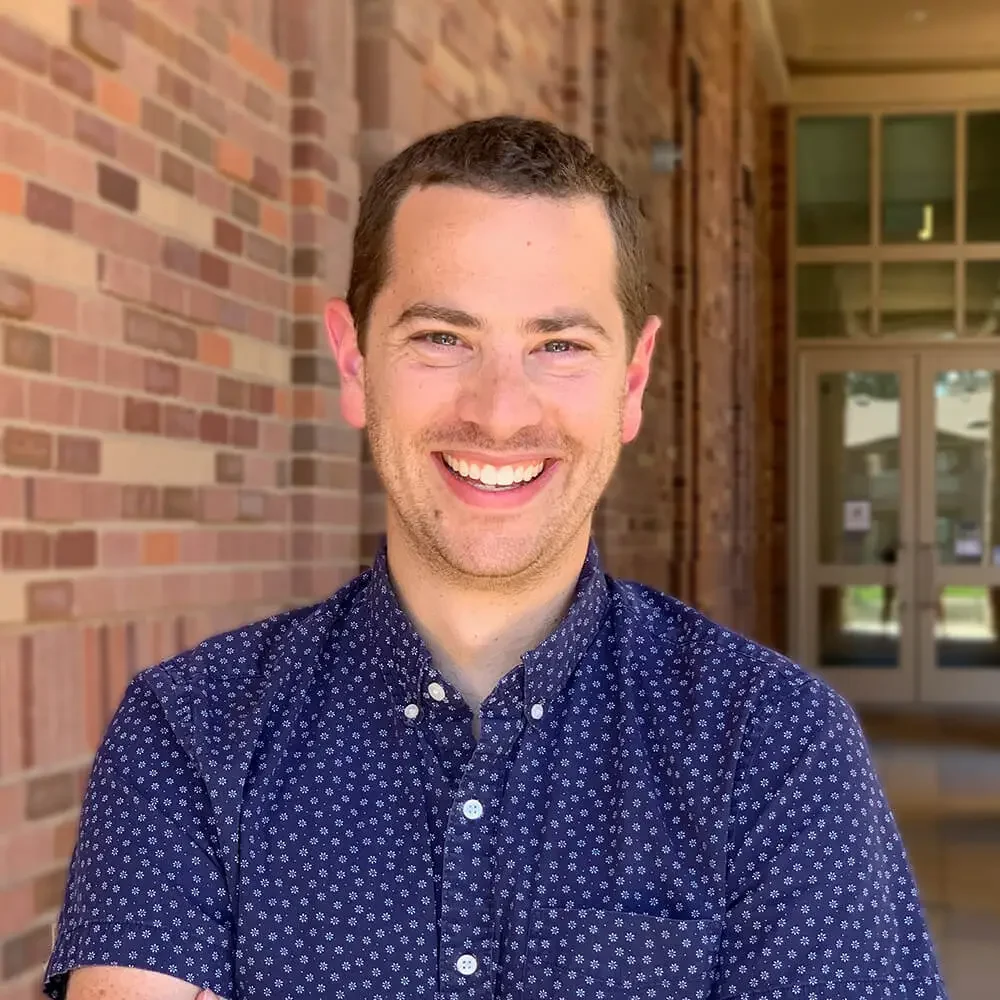
Dr. Whiteley’s hypothesis is rooted in the fact that the human microbiome—the vast ecosystem of bacteria living within us—is a massive, untapped regulator of immune function. While the field has long known that the gut microbiome influences immunotherapy outcomes, Dr. Whiteley is looking beyond the mere presence of bacteria to the mechanisms of their signaling enzymes.
The "high-risk" nature of this research lies in its complexity. Manipulating bacterial-human communication is a delicate, precise process. If the lab succeeds, it could provide a predictable, biological way to "prime" the immune system, turning "cold" tumors—which are invisible to the immune system—into "hot" tumors that are easily identified and destroyed.
Official Responses and the "STAR" Philosophy
The CRI STAR program is specifically designed to bypass the risk-averse nature of conventional grant-awarding bodies, such as the National Institutes of Health (NIH). In an era where researchers are often forced to present near-certain preliminary data to secure funding, the STAR program provides a buffer, allowing for failure and the exploration of "pie-in-the-sky" ideas.
Dr. Edward Chuong, a 2025 STAR recipient and colleague of Dr. Whiteley at the University of Colorado Boulder, underscores the impact of this financial freedom: "The STAR award has inspired our lab to go all in on our ideas. The unrestricted support has allowed us to chase high-risk leads and provides an incredible chance to take big risks that have a chance of improving cancer immunotherapy."
Dr. Whiteley echoes this sentiment, noting that the pressure of traditional funding cycles often stifles the most ambitious, transformative experiments. "When you’re constantly focused on how do I get a little bit more data to get the next grant… you can’t do the pie-in-the-sky, paradigm-shifting experiments," Whiteley explained. "This grant will enable us to push the limits. It is game-changing for my research program."
Implications: A New Era of Personalized Medicine
The long-term implications of Dr. Whiteley’s research are profound. If his team can successfully translate bacterial-immune interactions into a clinical setting, it could lead to the development of "smart" probiotics. Unlike traditional supplements, these engineered microbes could be programmed to colonize the body and secrete specific enzymes that act as "boosters" for a patient’s existing immunotherapy regimen.
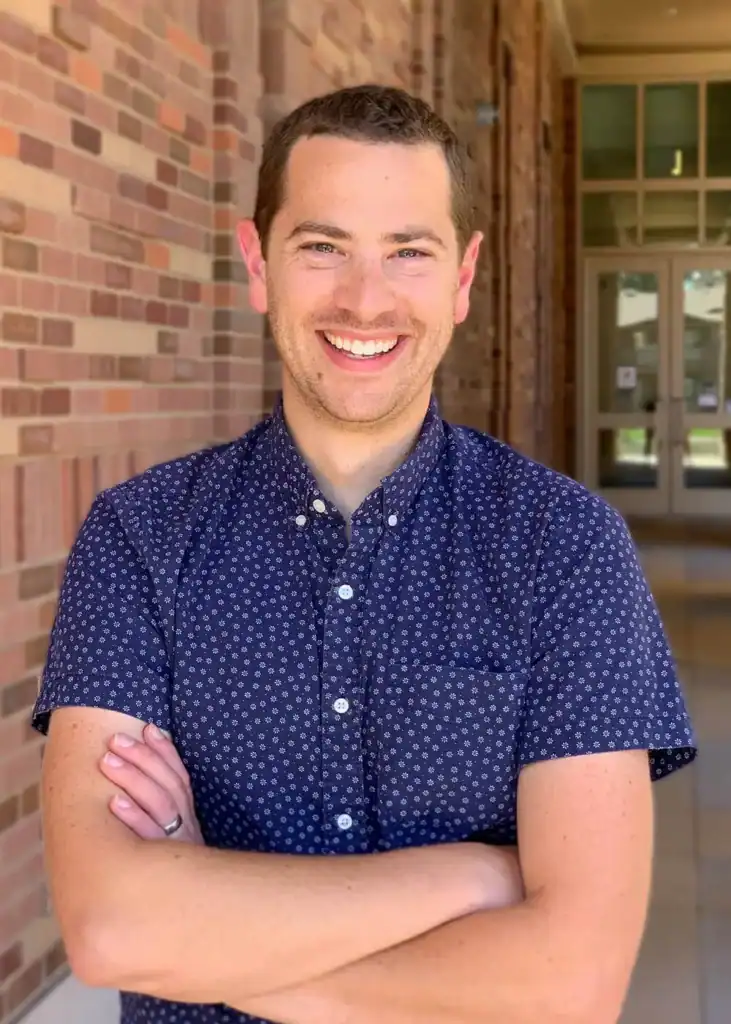
Beyond the laboratory, Dr. Whiteley remains a dedicated mentor, committed to ensuring that the next generation of scientists continues to push these boundaries. He views the history of oncology as a testament to the power of human persistence.
"If we look back at history, even 100 years ago, at how bleak treating a disease like cancer was," Whiteley remarked, "and now I overhear patients in line at the supermarket saying they had gotten CAR T cell therapy… I think, could you imagine explaining that to someone from 100 years ago, even from 25 years ago? But that only happens if there’s another generation to keep moving the needle, keep pushing the envelope."
Conclusion: Bridging the Ancient and the Future
Dr. Aaron Whiteley’s work stands at the intersection of deep history and cutting-edge medicine. By looking backward to the origins of immune signaling, he is finding the keys to the future of cancer treatment. With the support of the Cancer Research Institute, he and his team are not merely asking how we can treat cancer; they are asking how we can fundamentally redefine the relationship between our bodies, the microbes that inhabit them, and the diseases we seek to cure.
As the Whiteley Lab continues its work, the scientific community watches with anticipation. The prospect of utilizing a billion-year-old communication system to save human lives is no longer the stuff of science fiction—it is the focus of a rigorous, well-funded, and deeply curious research program that promises to redefine the landscape of modern oncology. Through bold thinking and the refusal to stay within the lines of conventional research, Dr. Whiteley is proving that sometimes, to save the future, we must revisit the very dawn of biological life.