









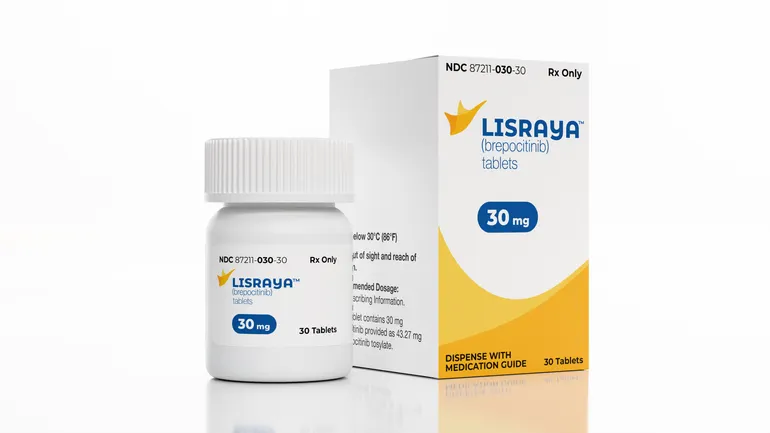
In a landmark development for the treatment of rare autoimmune disorders, the U.S. Food and Drug Administration (FDA) has granted approval for Lisraya (brepocitinib), the first oral therapy specifically indicated for the treatment of adult dermatomyositis. This regulatory milestone marks a significant shift in the management of a condition that has historically relied on repurposed immunosuppressants and high-dose steroids, offering a targeted pharmacological intervention for a patient population that has long lacked specialized options.
The drug, developed by Priovant Therapeutics—a subsidiary of the innovative “hub-and-spoke” biotechnology firm Roivant Sciences—is positioned to disrupt the current standard of care. With a list price set at $35,000 for a 30-day supply, the therapy arrives as a high-stakes entry into the specialized market for rare inflammatory conditions.
The Chronology of a Targeted Development Strategy
The path to Lisraya’s approval is a testament to the modern biotech "spin-out" model. Originally discovered by pharmaceutical giant Pfizer, the molecule brepocitinib was identified as a potent inhibitor of the TYK2 and JAK1 proteins. Recognizing the molecule’s potential but opting to narrow its own therapeutic focus, Pfizer licensed the drug to Priovant Therapeutics in a strategic move that allowed Roivant to shepherd the asset through clinical development.
Key Milestones:
- Early Development: Pfizer conducts initial research on brepocitinib, identifying its efficacy in blocking Janus kinase (JAK) proteins, which are central mediators in immune signaling.
- The Priovant Pivot: Roivant Sciences forms Priovant Therapeutics, specifically to advance high-potential immunology assets. Priovant secures the rights to brepocitinib, opting to bypass the saturated market of common autoimmune diseases like rheumatoid arthritis in favor of "orphan" or rare diseases.
- Clinical Validation: Priovant initiates the Phase 3 VALOR trial, focusing on dermatomyositis, a condition characterized by progressive muscle weakness and systemic skin lesions.
- Regulatory Submission: Based on positive trial data, Priovant submits its New Drug Application (NDA) to the FDA.
- FDA Approval: Following a rigorous review process, the FDA grants approval for Lisraya, marking the first oral therapy for this indication.
Supporting Data: Efficacy and Clinical Outcomes
Dermatomyositis affects an estimated 34,000 individuals in the United States. Before Lisraya, clinicians were forced to rely on off-label treatments, including intravenous immunoglobulin (IVIG) and systemic corticosteroids, which often carry significant long-term side effects.
The clinical evidence supporting Lisraya’s efficacy comes primarily from the Phase 3 VALOR trial. The study assessed the drug’s impact on a comprehensive scale evaluating muscle strength, physical function, and cutaneous health. The results were compelling: patients receiving a 30mg daily dose of Lisraya showed statistically significant improvements in disease activity compared to the placebo group.
Key Findings:
- Disease Activity: Patients demonstrated sustained improvement in muscle strength and skin health over a 52-week period.
- Steroid-Sparing Effect: A critical metric for patients is the ability to reduce reliance on corticosteroids. Clinical data indicated that a larger proportion of Lisraya-treated patients were able to taper off or significantly reduce their steroid dosages without experiencing disease flares.
- Skin-Specific Outcomes: Further analysis, recently published in JAMA Dermatology, highlighted the drug’s effectiveness in managing the painful, disfiguring rashes associated with the condition. Approximately 75% of trial participants reported clinically meaningful reductions in pruritus (itching) after one year of treatment, compared to only 33% in the placebo cohort.
- Remission Benchmarks: Nearly 50% of patients who entered the study with moderate-to-severe skin disease achieved "remission-level" outcomes by the conclusion of the trial.
Official Responses and Clinical Perspectives
The FDA’s approval of Lisraya was met with optimism from regulators, who highlighted the severe unmet need within the dermatomyositis community. Nikolay Nikolov, director of the FDA office responsible for evaluating immunology and inflammation drugs, emphasized the importance of the approval.
"For too long, patients with dermatomyositis have faced a significant unmet need for effective treatments, often relying on therapies meant for other diseases," Nikolov stated. "Today’s approval is a meaningful step forward, giving patients and their healthcare providers an approved oral therapy proven to help manage this rare and debilitating disease."
For Priovant, the strategy has always been about precision. Roivant CEO Matt Gline, in an interview with BioPharma Dive, framed the approach as a replication of successful blueprints used by peers like Argenx and BridgeBio. "We don’t have to be an innovator commercially," Gline remarked. "We just have to learn from what other people have done and reproduce it. We’ve chosen some markets that we’ve been able to pioneer, where they’re wide open and the unmet need is high."
The Safety Profile and Market Implications
As a member of the Janus kinase (JAK) inhibitor class, Lisraya carries the familiar regulatory baggage of its predecessors. While JAK inhibitors like AbbVie’s Rinvoq have achieved blockbuster status, they have also faced scrutiny regarding serious safety concerns, including risks of cardiovascular events, malignancies, and infections.
Lisraya’s prescribing information includes the industry-standard "boxed warning" regarding these potential risks. However, market analysts have reacted with guarded optimism. Leerink Partners analyst David Risinger noted in a client update that there were "no major surprises" in the drug’s label. The fact that the FDA included all important secondary endpoints in the final label is seen as a positive sign for the drug’s commercial viability and its clinical utility for specialists.
Safety Considerations:
- Common Adverse Events: The most frequently reported side effects included infections, headaches, fatigue, nausea, and diarrhea.
- Consistent Profile: Priovant maintains that Lisraya’s safety profile is consistent with other approved JAK inhibitors, suggesting that the clinical community already has a functional framework for monitoring and managing these risks.
Strategic Outlook: Why Rare Disease?
Priovant’s decision to avoid the "red ocean" of mass-market autoimmune conditions is a calculated business move. By focusing on dermatomyositis and other rare inflammatory eye and skin disorders, the company avoids direct competition with established giants. This "niche-first" strategy allows for faster approval paths and a more focused commercial launch, as the patient population is highly specialized and often managed by a specific subset of rheumatologists and dermatologists.
The $35,000 monthly list price reflects the high cost of development and the rarity of the condition. While such pricing often invites scrutiny in the current U.S. healthcare climate, the value proposition for Lisraya centers on its ability to offer a definitive, oral, and effective treatment for a disease that previously left patients with few options beyond heavy-duty, broad-spectrum immunosuppression.
Conclusion
The approval of Lisraya represents a significant shift for the dermatomyositis patient community. By targeting the underlying JAK signaling pathways with a once-daily oral tablet, Priovant has provided a modern, scientifically grounded alternative to the "sledgehammer" approach of traditional steroid-heavy therapy.
As Priovant begins its commercial rollout, the industry will be watching closely to see if the company can successfully navigate the complexities of the rare disease market. With a robust clinical package, a clear regulatory path, and a demonstrated impact on both muscle and skin symptoms, Lisraya stands as a beacon for how targeted, orphan-drug development can effectively address the gaps in modern medicine. Whether this success can be replicated in the company’s other targeted inflammatory indications remains to be seen, but for now, the approval of Lisraya is a victory for the thousands of patients waiting for a new standard of care.