







In the landscape of geriatric health and longevity, we often focus on cardiovascular capacity or cognitive sharpness. Yet, one of the most predictive indicators of long-term independence—the strength and endurance of your hips and glutes—frequently flies under the radar until a stumble or a struggle to stand from a chair highlights a deficit.
As we cross the threshold of 60, the integrity of our posterior chain becomes the primary defense against the most common health crisis for older adults: the fall. A simple, equipment-free exercise known as the "single-leg bridge" has emerged as a gold-standard diagnostic tool, offering a window into your functional stability.
The Core Facts: Why Hip Endurance Defines Your Independence
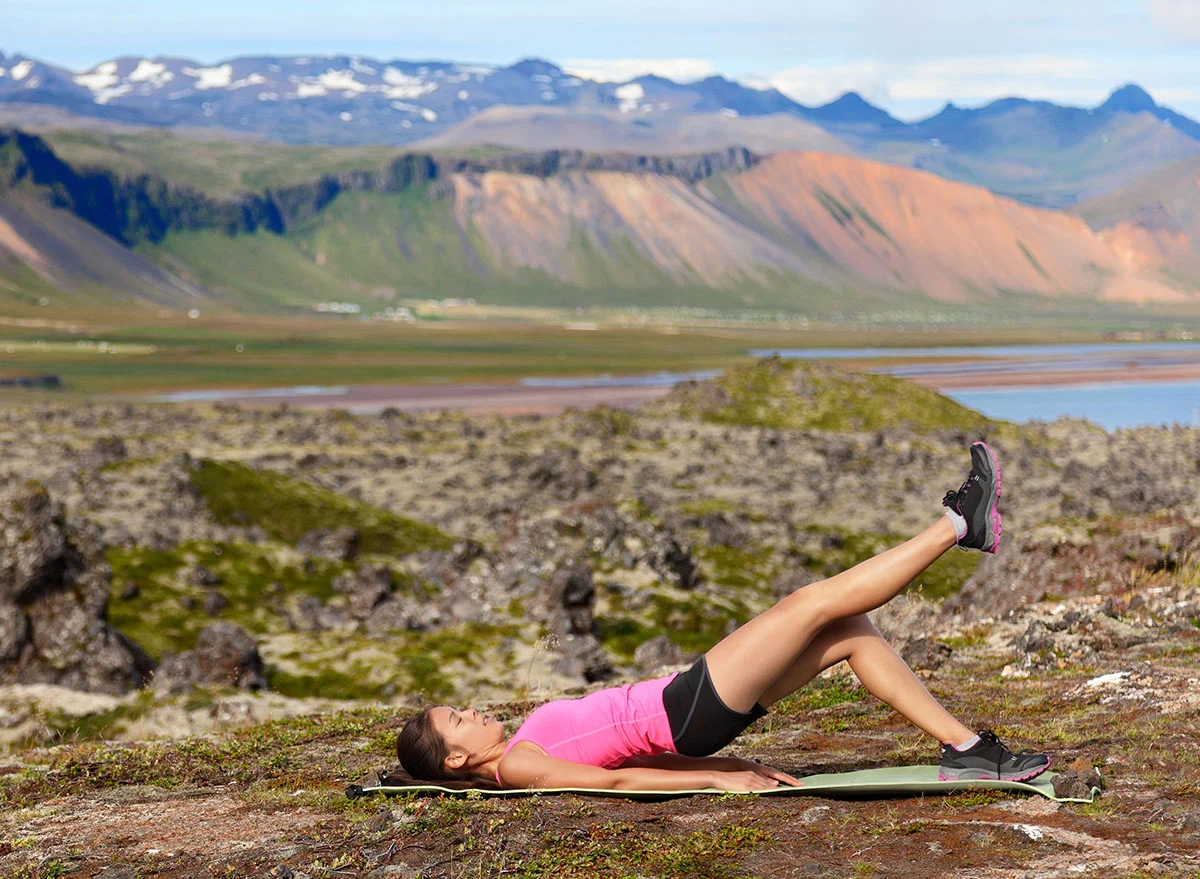
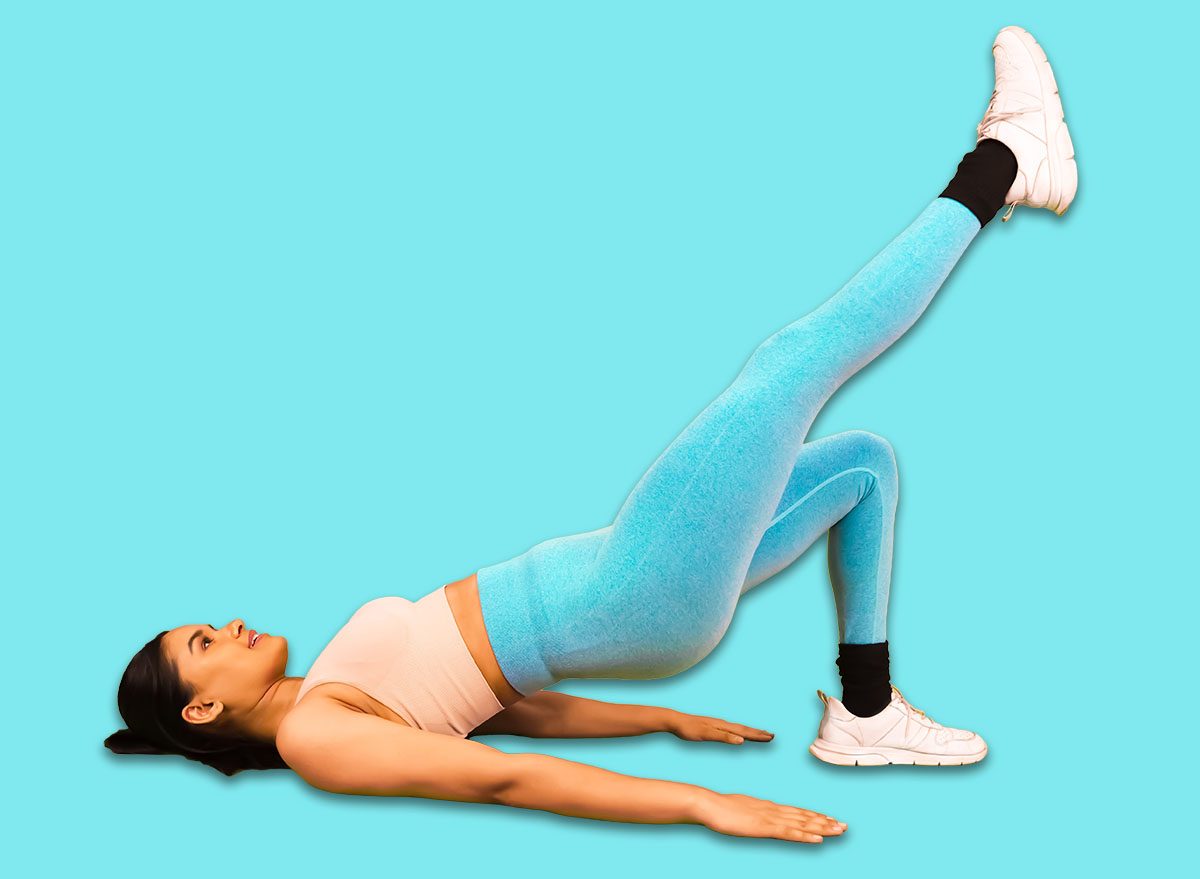
At its most basic level, the single-leg bridge is an isolation exercise that forces the glutes, hamstrings, and pelvic stabilizers to function independently. Unlike a standard bilateral bridge, which allows the stronger side of your body to compensate for the weaker one, the single-leg variation strips away that support.
"Hip strength is the unsung hero of functional movement," says James Brady, CPT, a certified personal trainer at OriGym. "It dictates everything from the simple act of stepping off a curb to the complex coordination required to catch your balance when you trip. When we look at fitness after 60, we aren’t just looking for muscle size; we are looking for the endurance of those stabilizing muscles to keep the pelvis level and the body upright."
The exercise requires no equipment, minimal space, and can be performed on any carpeted floor or yoga mat, making it an ideal "check-up" to conduct from the comfort of home.
Chronology of Mobility: The Aging Process and Muscle Atrophy
To understand why this test is vital, we must look at the timeline of physiological changes. Beginning in our 40s and accelerating in our 60s, humans undergo a process called sarcopenia—the natural, age-related loss of muscle mass and function.
The Decline
- Ages 40-50: The initial decline in fast-twitch muscle fibers begins, often unnoticed by the individual.
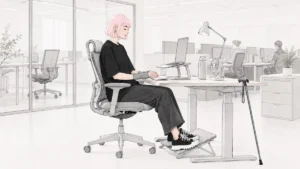
- Ages 50-60: Sedentary habits start to manifest as "hip amnesia," where the gluteal muscles become dormant due to prolonged sitting.
- Ages 60+: The "stability gap" widens. Without targeted intervention, the muscles that control the pelvis begin to weaken, leading to an altered gait, a forward-leaning posture, and a significant increase in fall risk.
The single-leg bridge acts as a diagnostic snapshot of where an individual sits on this timeline. If the body can no longer sustain a bridge, it is a clear indicator that the posterior chain is not firing efficiently enough to support the body during the dynamic, one-legged phases of walking.
Supporting Data: The Science of Stability
The medical community has increasingly shifted its focus toward hip abductor strength as a primary clinical marker. A 2024 study published in PLOS One followed a cohort of community-dwelling older adults over a 12-month period. The findings were stark: those who demonstrated greater hip abductor strength showed a significantly lower likelihood of falling compared to their counterparts with weaker pelvic stabilizers.
The research suggests that the muscles engaged during the single-leg bridge are the same muscles responsible for "corrective maneuvers." When you stumble, your body has milliseconds to recruit the gluteus medius and maximus to pull your center of gravity back over your base of support. If those muscles lack endurance, the correction fails, and a fall ensues.
Expert Insight: How to Perform the Test
We spoke with James Brady to establish a protocol for those looking to assess their own baseline. Brady emphasizes that this is not a contest of ego, but a measurement of current physiological capacity.
The Standardized Protocol
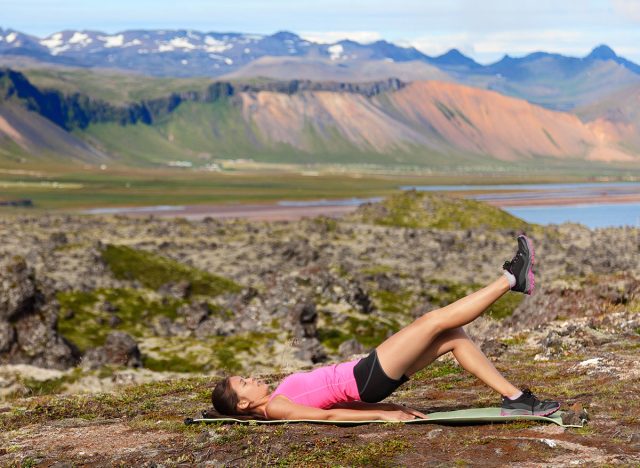
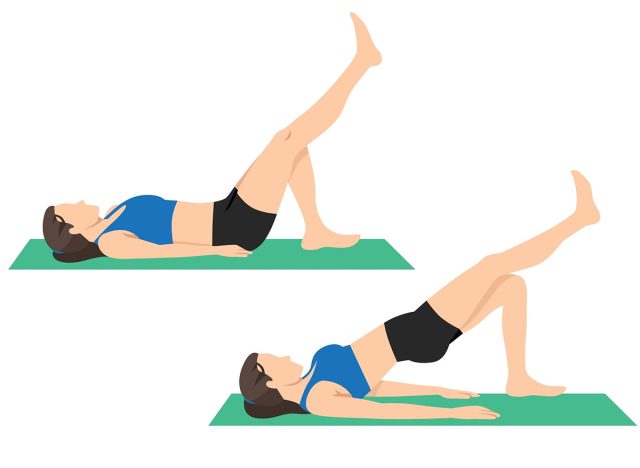
- Preparation: Lie flat on your back with your knees bent and feet flat on the floor.
- The Setup: Extend one leg straight out or keep it tucked toward your chest, depending on your comfort level.
- The Lift: Drive through the heel of the planted foot, lifting your hips toward the ceiling until your body forms a straight line from your shoulder to your knee.
- The Hold: Maintain this position with your hips level and square.
"If you can maintain a controlled single-leg bridge for around 30 seconds on each side after 60, I would consider that a strong display of hip and posterior chain endurance," says Brady. "However, I would not describe it as definitively stronger than 90% of your peers, since research has not established universal age-specific percentile rankings. Treat this as a personal benchmark. The goal is to track your own improvement over time, not to compete with others."
The "Form First" Mandate
Brady warns that the test is only as good as the form maintained. "The moment your hips drop, or your pelvis tilts to one side, the test is over. That is your threshold. Pushing through poor form is not building strength; it is training your body to compensate incorrectly."
Implications: What Your Results Mean for Your Future
If you find yourself unable to hit the 30-second mark, do not be discouraged. The beauty of this test lies in its neuroplasticity; the glutes are highly responsive to training, even in one’s 70s and 80s.
If You Hold for Less Than 10 Seconds:
This suggests significant weakness in the gluteus medius and potential instability in the lumbar spine. You should focus on "glute activation" exercises—such as clamshells and double-leg bridges—before attempting the single-leg variety again.
If You Hold for 10–20 Seconds:
You have a functional foundation, but your endurance is likely insufficient for rapid-response recovery during a trip. You are at the "maintenance" stage and would benefit from adding this exercise to your routine three times a week.
If You Hold for 30+ Seconds:
You are in a strong position. Your posterior chain is well-conditioned, and your risk of fall-related injury due to hip instability is likely significantly lower than the average sedentary adult.
Closing the Loop: Integrating Stability into Daily Life
The implications of this test extend far beyond the floor. By identifying your baseline, you can proactively intervene in the aging process. The goal is to view the single-leg bridge not as an occasional "test," but as a daily habit.
Actionable Steps for Improvement:
- The 3-Day Rule: Perform this hold three days a week. Keep a simple log of your seconds.
- Progressive Loading: Once you can comfortably hit 30 seconds on each side with perfect form, consider adding a slight weight or increasing the duration to 45 seconds.
- Integrate Movement: Combine your bridge training with other functional movements, such as chair-assisted squats or lateral leg raises, to ensure the entire pelvic girdle is supported.
"The most important thing to remember," Brady concludes, "is that independence is a muscle. If you don’t use it, you lose it. But if you take the time to test, train, and track these small, simple movements, you are actively building the structural integrity required to live a vibrant, mobile life well into your 70s, 80s, and beyond."
As we age, we cannot stop the clock, but through functional diagnostics like the single-leg bridge, we can certainly dictate how we navigate the time we have. By taking the time to master this hold, you aren’t just doing an exercise; you are securing your future one second at a time.