











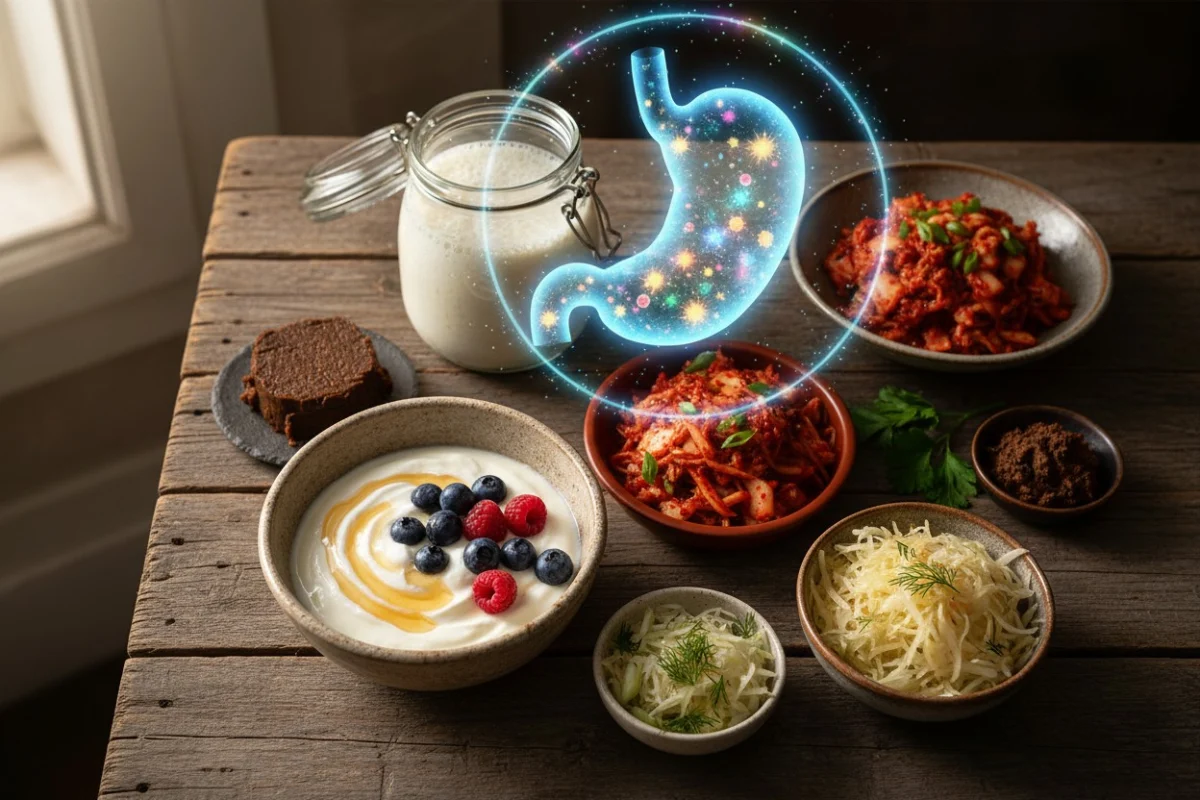
In the evolving landscape of nutritional science, few dietary habits have garnered as much scientific attention as the consumption of fermented foods. A landmark 2026 review, involving a European research consortium that synthesized data from over three million adults, has provided some of the most compelling evidence to date: regular consumption of fermented products is strongly associated with lower all-cause mortality. As the global medical community pivots toward preventative strategies, these traditional staples—ranging from tangy kefir to savory miso—are being recognized not merely as culinary enhancements, but as essential pillars of human health and immune resilience.
The Landmark 2026 Review: A Statistical Breakthrough
The comprehensive meta-analysis, published in the journal Frontiers in Nutrition, represents a massive undertaking in nutritional epidemiology. By pooling data from decades of cohort studies, researchers were able to draw definitive connections between dietary patterns and long-term health outcomes.
The findings are stark. High consumption of fermented milks and yogurt was linked to a 6% reduction in all-cause mortality. Perhaps more significantly, deaths attributed specifically to cardiovascular disease and cancer were found to drop by 6% to 7% among those who prioritized these foods. Miso, a staple of Japanese cuisine, showed an even more pronounced effect, with regular intake associated with an 8% lower risk of mortality from any cause.
To ensure the robustness of these findings, the research team conducted rigorous sensitivity checks. By removing individual studies from the analysis one at a time, they confirmed that the observed patterns remained consistent, effectively silencing critics who might suggest that single outliers skewed the data. This consistency across diverse food types—including cheese, fermented soy, and yogurt—suggests that the health benefits are not restricted to one specific product but are likely the result of the overarching biological impact of fermented foods on the human system.
The Mechanism of Action: Understanding the Microbiome
At the heart of these findings lies the human gut microbiome. For years, scientists have understood that the digestive tract is home to trillions of microorganisms, but recent research has elevated these microbes from passive inhabitants to active directors of human physiology.
The gut serves as the epicenter of the body’s immune system, housing a substantial portion of our immune tissue. When we consume fermented foods, we introduce beneficial bacteria—probiotics—that interact directly with immune cells. This interaction is believed to modulate inflammation, a known precursor to most chronic diseases. Unlike isolated nutrients or synthetic supplements, fermented foods offer a complex matrix of microorganisms, enzymes, and bioactive peptides that work in concert to support the host’s health.
Chronology of Scientific Discovery: From Tradition to Trial
The path to these 2026 findings was paved by smaller, more targeted clinical trials that sought to explain how these foods alter human biology. One of the most significant pieces of evidence in this timeline is a 10-week randomized controlled trial conducted at Stanford University and published in Cell.
In this study, researchers assigned healthy adults to two distinct dietary tracks: a high-fiber group and a group that consumed a diet rich in fermented foods. The results were telling. While the high-fiber group showed stable markers, the fermented food group experienced a notable decrease in 19 different inflammatory markers, including interleukin-6 (IL-6), a key protein involved in systemic inflammation.
Crucially, the fermented food group also exhibited an increase in gut microbial diversity. This diversity is widely considered the "gold standard" for a resilient immune system. The trial demonstrated that while fiber is undoubtedly beneficial, the introduction of live, active cultures provides a unique, rapid-response mechanism for altering the gut environment that fiber alone cannot replicate.
Supporting Data and Systematic Analysis
The methodology of the 2026 European study focused on distinguishing between "highest" and "lowest" consumers, creating a clear gradient of risk. By focusing on traditional fermented products—such as kefir, kimchi, and fermented soybean—the researchers emphasized that the benefits are rooted in time-tested dietary traditions.
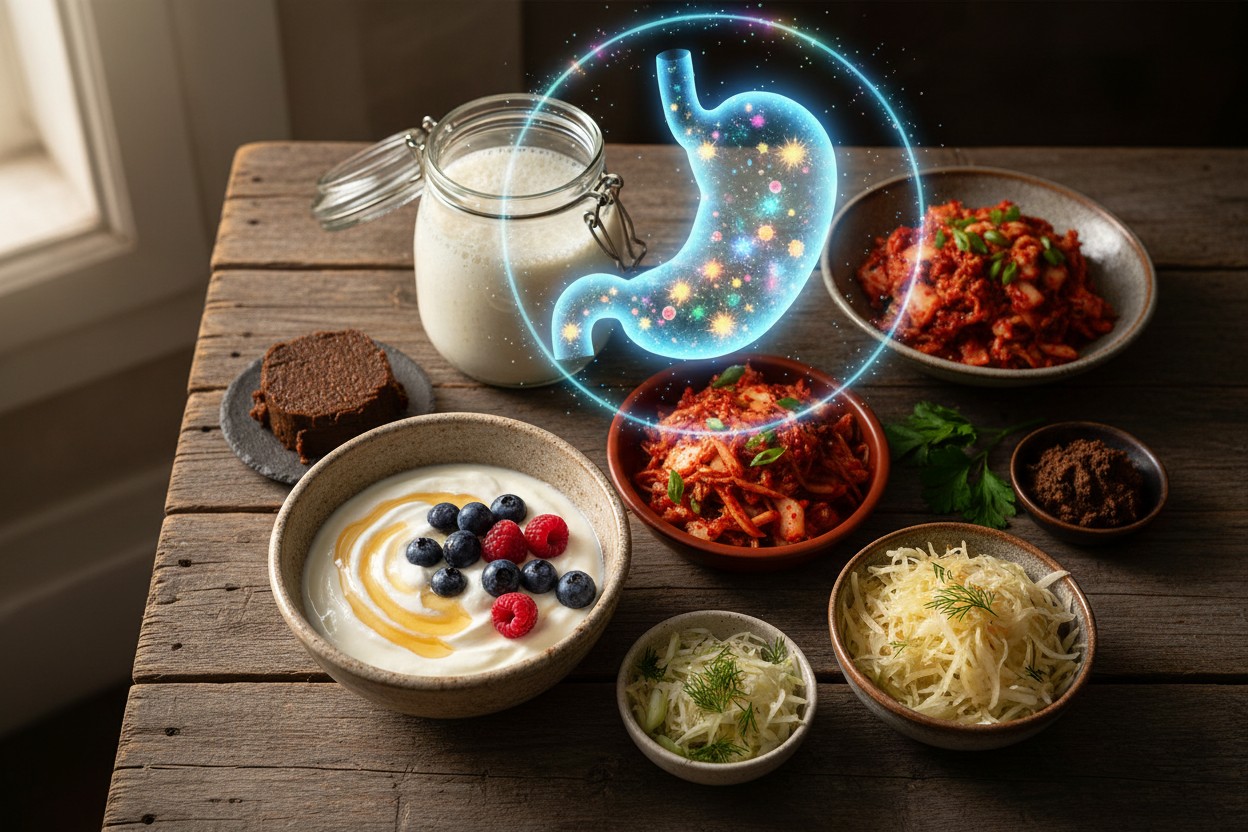
The study underscores a fundamental shift in nutritional philosophy: the transition from "reductionist" nutrition (focusing on single vitamins or minerals) to "holistic" nutrition (focusing on dietary patterns). The data suggests that no single nutrient can replicate the complex interplay of a healthy microbiome supported by a diverse diet of fermented foods. This aligns with broader research indicating that immune resilience is not built through occasional supplementation, but through the consistent, daily maintenance of the gut environment.
Official Perspectives and Expert Recommendations
Health authorities and nutritionists are increasingly incorporating these findings into their recommendations. The consensus is that the gut is not just a digestive organ, but an active, dynamic immune barrier.
"The trillions of microorganisms residing in the digestive tract are the primary architects of our long-term health," notes a recent summary from the Immune Defense Summit. Holistic healthcare providers are now highlighting these foods as primary "dietary levers"—one of the few interventions backed by both large-scale population data and high-quality clinical trials.
However, experts caution that not all "fermented" products are created equal. The commercial food industry has often co-opted the label "fermented" for products that have been pasteurized or heavily processed, rendering them shelf-stable but biologically inert. To reap the benefits, consumers are advised to:
- Prioritize Live Cultures: When choosing yogurt or kefir, look for "live and active cultures" on the label.
- Avoid Added Sugars: Sugar can feed inflammatory processes, potentially counteracting the benefits of the probiotics. Opt for plain varieties and sweeten them naturally with fresh berries or a touch of honey.
- Shop the Refrigerated Aisle: For sauerkraut and kimchi, the refrigerated section is essential. Shelf-stable versions found in the center aisles are typically heat-treated or vinegar-brined, meaning they lack the beneficial, live bacteria found in traditional, unpasteurized versions.
- Mind the Heat: Miso is a nutritional powerhouse, but its benefits are heat-sensitive. Adding it to soups or dressings after the heat has been turned off—rather than boiling it—preserves the active compounds.
Implications for Public Health and Chronic Disease Prevention
The implications of this research are profound for public health policy. As rates of chronic, non-communicable diseases continue to climb globally, the identification of simple, low-cost, and accessible dietary interventions is a high priority.
The link between poor gut health and an increased risk of severe illness has been well-established in the literature. If, as the 2026 review suggests, daily intake of fermented foods can reduce the risk of cardiovascular and cancer-related mortality, the potential for mass-scale health improvement is immense.
Furthermore, this research supports the concept of "immune resilience." In an era where individuals are looking for ways to bolster their natural defenses, the focus on the gut-immune axis provides a clear, actionable path. By cultivating a diverse microbiome, individuals may be able to better navigate the physiological stressors that lead to chronic inflammation and metabolic dysfunction.
The Future of Microbiome Research
While the 2026 findings are robust, the field is still in its infancy. Future research is expected to delve deeper into the specific strains of bacteria that provide the most benefit, potentially paving the way for personalized nutritional programs.
However, the current evidence is more than sufficient to support the inclusion of these foods in the daily diet of the average adult. Whether it is a bowl of miso soup, a serving of kimchi, or a morning glass of kefir, the science points to a clear conclusion: our ancestors’ reliance on fermented foods was not merely a matter of food preservation—it was a sophisticated, albeit intuitive, method of maintaining human vitality.
As the scientific community continues to explore the "active directors" of our health within our digestive tracts, the humble jar of fermented vegetables or the carton of plain yogurt stands out as one of the most effective, evidence-based tools for longevity available to the modern consumer. In the quest for a longer, healthier life, the answer may not be found in a high-tech pharmacy, but in the traditional, time-honored practices of the dinner table.