











The fundamental equation of weight loss has long been presented as a simple arithmetic problem: calories in versus calories out. If the energy consumed through food is less than the energy expended through daily activity and metabolic processes, the body must burn its own fat stores, resulting in weight loss. While this thermodynamic principle remains biologically accurate, the human experience of weight loss is far more complex.
For many, the first instinct when embarking on a weight-loss journey is to hit the gym, hoping that the sweat equity will translate directly into a smaller waistline. However, a growing body of scientific research suggests that exercise alone is a surprisingly inefficient tool for shedding pounds. Yet, paradoxically, while exercise may not be the primary driver of weight loss, it remains the most vital factor in keeping the weight off once it has been lost.
The Main Facts: The Myth of the "Calorie-Burning Machine"
The belief that exercise is the primary lever for weight loss is deeply ingrained in modern health culture. However, current data suggests that the body is highly resistant to weight loss induced by exercise. This resistance stems from several evolutionary and biological mechanisms designed to preserve energy stores—a vestige of our ancestors’ need to survive periods of famine.
When we begin a consistent exercise regimen, the body often compensates in ways that undermine our caloric goals. One of the most common responses is an increase in appetite. After a strenuous session, the body’s hormonal signals often shift to encourage the replenishment of energy, leading to increased food intake that can easily offset the calories burned during the workout.
Furthermore, humans are prone to "subconscious compensation." A person who hits the gym for an hour might feel fatigued, leading them to be more sedentary for the remaining 23 hours of the day. This reduces overall energy expenditure, essentially canceling out the metabolic gains of the workout. Over time, the body also becomes more efficient; the same movement that was difficult and calorie-intensive for a beginner becomes routine for an experienced exerciser, requiring less energy to perform. This process, known as "metabolic adaptation," is the body’s way of ensuring it maintains its energy reserves.
Chronology: From Evolutionary Survival to Modern Maintenance
The history of our relationship with physical activity is rooted in survival. For thousands of years, physical exertion was a necessity for hunting, gathering, and navigating harsh environments. During these periods, our bodies evolved to conserve energy whenever possible.
Today, this evolutionary trait—meant to prevent starvation—functions as a barrier to weight loss. When an individual attempts to restrict calories and increase activity, the body interprets this as a threat to survival. Consequently, it lowers its "resting energy expenditure"—the calories burned just to keep the heart beating and lungs working.
A brief timeline of our understanding:
- The 20th Century: The "calories in, calories out" model dominates, leading to the rise of gym-based weight loss programs.
- Early 2000s: Researchers begin noticing the "plateau effect," where initial weight loss from exercise stalls as the body adapts.
- 2015–2024: Advanced metabolic studies confirm that while diet is the primary driver for weight loss, exercise is the key to maintaining a new, lower body weight, particularly as the body attempts to regain its previous mass.
Supporting Data: Why Exercise Matters More Than the Scale Shows
While the scale may not budge as quickly as gym-goers desire, the internal health benefits of exercise are profound and measurable. A study involving over 1,100 participants revealed that while physical activity had a marginal impact on the initial weight lost, it was the single most significant factor in maintaining that weight loss over the long term.
Beyond weight maintenance, the data on internal health improvements is overwhelming. Regular exercise has been shown to:
- Improve Lipid Profiles: Reducing "bad" cholesterol and increasing "good" cholesterol.
- Reduce Chronic Inflammation: A key factor in cardiovascular disease.
- Enhance Insulin Sensitivity: Allowing the body to manage blood sugar more effectively, drastically reducing the risk of Type 2 diabetes.
Furthermore, emerging evidence suggests that when exercise is combined with modern medical interventions—such as GLP-1 receptor agonists (e.g., Saxenda or Wegovy)—the results are significantly better than medication alone. Exercise provides the metabolic scaffolding necessary to support the physiological changes that occur when weight is lost.
The Mechanisms: Why Exercise Prevents Regain
If exercise is not the primary engine for weight loss, why is it essential for preventing regain? The answer lies in the biology of the body after weight loss.

1. Preserving Muscle Mass
Weight loss is rarely just "fat loss." When we lose weight, we inevitably lose some muscle mass, which is a metabolically expensive tissue. Because muscle burns more calories at rest than fat, losing it lowers the body’s resting metabolic rate, making it easier to regain weight. Resistance training—such as lifting weights or Pilates—is the most effective way to preserve muscle, thereby keeping the metabolism elevated.
2. Enhancing Metabolic Flexibility
The body’s ability to switch between burning glucose and burning fat is known as "metabolic flexibility." After significant weight loss, the body often becomes less efficient at oxidizing (burning) fat. High-intensity exercise forces the body to maintain its fat-burning pathways, ensuring that it doesn’t rely solely on carbohydrates for fuel, which keeps the energy balance more stable.
3. Hormonal Regulation
Exercise acts as a powerful regulator for the body’s hormonal landscape. It reduces the production of cortisol, the "stress hormone" that is strongly linked to abdominal fat storage. Furthermore, it helps manage the hunger hormones, leptin and ghrelin, which are often dysregulated during periods of calorie restriction. By keeping these signals in check, exercise helps individuals avoid the cravings that often lead to "yo-yo" dieting.
Official Responses and Clinical Implications
Medical consensus has shifted from viewing exercise as a weight-loss tool to viewing it as a "health-maintenance" tool. Organizations such as the World Health Organization (WHO) and various national health services now emphasize that the benefits of physical activity should be decoupled from the sole goal of weight loss.
Clinicians are increasingly adopting a "weight-neutral" approach, where the focus is on improving metabolic markers—blood pressure, A1c levels, and cardiovascular endurance—rather than focusing on body mass index (BMI). This shift is intended to reduce the psychological burden on patients and encourage sustainable habits.
"The goal should not be to burn 500 calories at the gym to ‘earn’ a meal," says one clinical researcher. "The goal is to move the body to improve the internal environment, making it more resilient to disease and more capable of sustaining its weight at a healthy set point."
Implications for Long-Term Health
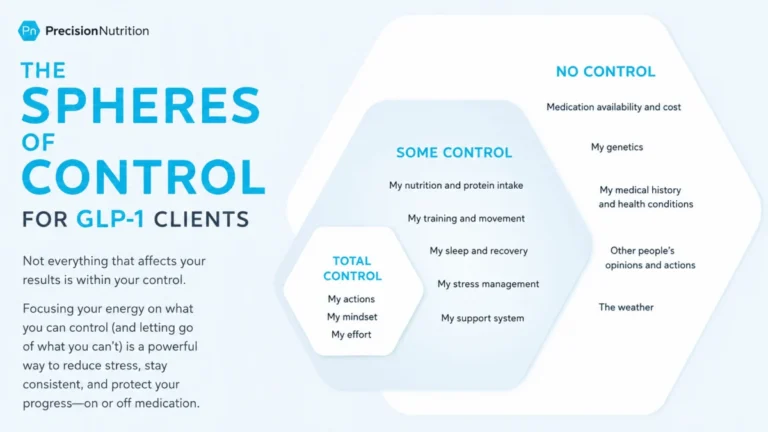
The realization that exercise is not a "magic pill" for weight loss is not a reason to quit; rather, it is a call to change our expectations. We must stop viewing the gym as a penance for food and start viewing it as a necessary support system for our biology.
For those struggling to maintain their weight, the evidence suggests a multi-pronged approach:
- Prioritize Protein: To assist in muscle preservation.
- Incorporate Resistance Training: At least twice a week to maintain metabolic rate.
- Prioritize Sleep and Stress Management: To prevent the hormonal spikes that encourage fat storage.
- Embrace Aerobic Activity: Not for the calories burned, but for the profound cardiovascular and mental health benefits, including improved sleep and mood stability.
The Mental Health Factor
Beyond the physical, we cannot ignore the psychological impact of movement. Exercise is a potent tool for stress reduction. In a world where emotional eating is a primary barrier to weight loss, the stress-relieving properties of physical activity act as an indirect shield against weight gain. When our mood is stable and our stress levels are low, we are far less likely to turn to food as a coping mechanism.
Conclusion: A Shift in Perspective
The "exercise paradox" is only a paradox if we insist on a narrow definition of success. If success is defined solely by the speed at which the numbers on the scale drop, exercise may seem like a poor investment. However, if success is defined by long-term health, the ability to maintain a healthy weight, and the reduction of disease risk, then exercise is the most important tool we have.
We are not merely machines that burn fuel; we are complex biological systems that adapt to our environment. By moving our bodies, we signal to our physiology that we are healthy, strong, and capable of maintaining our vitality. It is time to move past the obsession with the "calorie-out" myth and embrace movement for what it truly is: the foundation of a long, healthy life.