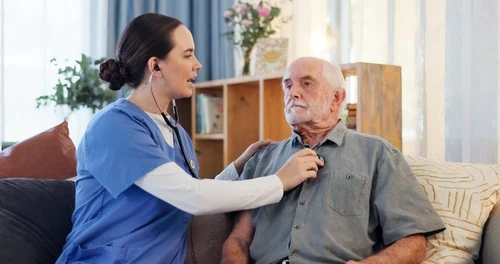












For many, the journey to a diagnosis of Ehlers-Danlos syndrome (EDS) is a marathon of medical gaslighting, confusion, and systemic frustration. Often dismissed as "growing pains," "anxiety," or "hypochondria," the path to understanding this complex group of connective tissue disorders is frequently measured in years, if not decades.
As awareness grows during Ehlers-Danlos Syndromes and Hypermobility Spectrum Disorders (HSD) Awareness Month, the focus is shifting from mere identification to comprehensive management. While once categorized as an ultra-rare condition, evolving clinical perspectives now suggest that EDS and its related spectrum disorders are far more prevalent than historical data indicated. For those newly diagnosed, the silence of the medical establishment can be deafening—but as the community grows, so does the collective knowledge base for reclaiming quality of life.
The Biological Reality: Understanding EDS and HSD
Ehlers-Danlos syndrome is a collection of 13 inherited disorders that primarily affect the body’s connective tissue—the "biological glue" that supports skin, tendons, ligaments, blood vessels, and internal organs. The diversity of the condition is vast, with severity ranging from mild joint hypermobility to life-threatening vascular fragility.
The Subtypes and Spectrum
- Hypermobile EDS (hEDS): Representing approximately 90% of all cases, hEDS is the most common subtype. It is characterized by joint instability, chronic pain, and systemic involvement.
- Classical EDS (cEDS) and Vascular EDS (vEDS): These are among the more recognized forms, with vEDS posing significant risks due to the potential for arterial or organ rupture.
- Hypermobility Spectrum Disorders (HSD): This classification is vital for those who exhibit the clinical hallmarks of connective tissue instability—such as frequent dislocations and soft tissue pain—but who may not meet the stringent, narrow diagnostic criteria for a specific EDS subtype.
The Multi-Systemic Impact
Because connective tissue is ubiquitous throughout the human body, the manifestations of EDS are rarely isolated. Patients frequently report a "constellation" of symptoms, including:
- Musculoskeletal: Chronic, early-onset joint pain, frequent subluxations (partial dislocations), scoliosis, and cervical instability.
- Dysautonomia: Postural Orthostatic Tachycardia Syndrome (POTS) is a common co-morbidity, causing heart rate volatility and blood pressure dysregulation.
- Immunological: Mast Cell Activation Syndrome (MCAS), which can lead to unpredictable, severe allergic-like reactions.
- Gastrointestinal: Gastroparesis, irritable bowel symptoms, and nutritional malabsorption.
A Chronology of the Diagnostic Struggle
The diagnostic journey for an EDS patient often follows a predictable, albeit painful, trajectory.
- The Early Years (Pre-diagnosis): Patients often live with "invisible" symptoms—fatigue, joint aches, and "clumsiness"—that are frequently misattributed to growing pains or lack of athletic coordination.
- The Misdiagnosis Phase: By early adulthood, many patients are mislabeled with psychiatric conditions or common rheumatological diseases like fibromyalgia, lupus, or chronic fatigue syndrome (ME/CFS).
- The Search for Specialists: Because EDS is systemic, a patient may see a cardiologist, a gastroenterologist, a rheumatologist, and a neurologist, never realizing that all their disparate symptoms stem from a single underlying connective tissue defect.
- The "Eureka" Moment: Often occurring in mid-life, a geneticist or an informed specialist finally connects the dots. For many, this brings a sense of relief—the validation that their pain was never "all in their head."
- The Proactive Phase: Once the diagnosis is confirmed, the focus shifts to education, advocacy, and the development of a multidisciplinary care team.
Supporting Data and Medical Challenges
The diagnostic landscape remains fragmented. Currently, there is no genetic test for hEDS, the most common form of the condition. Diagnosis relies heavily on clinical criteria—including a thorough physical examination, joint hypermobility assessments (such as the Beighton Score), and a deep dive into family medical history.
However, the lack of a "blood test" for hEDS often leads to skepticism from primary care physicians who are not specialized in connective tissue disorders. Research by the National Institutes of Health (NIH) indicates that while family history is a significant indicator, de novo mutations mean that many patients are the first in their family to be diagnosed, complicating the traditional "hereditary" expectation.
Managing Life with EDS: Strategies for Stability
While there is currently no cure for EDS, the medical community and patient-led advocacy groups have identified several pillars of management that can significantly improve patient outcomes.
Physical Rehabilitation
The mantra for EDS management is "stabilize, then strengthen." Traditional high-impact exercise can exacerbate joint damage. Instead, experts often point to the Muldowney Protocol, a specialized physical therapy approach designed to stabilize joints through progressive, targeted muscular strengthening. Low-impact activities, such as swimming or stationary cycling, are often recommended to maintain cardiovascular health without the risk of joint trauma.
Cardiovascular Regulation
For those struggling with the dysautonomia frequently associated with EDS, managing blood volume is key. Patients often find relief through:
- Increased Hydration: Electrolyte-rich fluids help maintain blood volume.
- Salt Intake: Under medical supervision, increasing sodium intake can help raise blood pressure in patients prone to orthostatic hypotension.
- Compression Gear: Compression stockings can prevent blood from pooling in the lower extremities, reducing dizziness and fatigue.
Surgical Considerations
When conservative management fails, surgery may be necessary. However, surgeons must be informed of the patient’s EDS status. Because connective tissue is weaker, traditional sutures may fail. Many surgeons now opt for techniques that minimize tension on tissues or, in specific orthopedic cases, utilize cadaver tendons to provide the structural integrity that the patient’s own ligaments cannot.
Anti-Inflammatory Lifestyle
Inflammation is a common trigger for EDS flares. Many patients manage this by identifying dietary triggers, such as gluten or dairy, and prioritizing an anti-inflammatory diet rich in antioxidants. Reducing environmental stressors—such as chemicals, harsh soaps, or allergens—can also help keep the immune system from becoming hyper-reactive, especially in those with comorbid MCAS.
Official Responses and the Evolving Medical Landscape
Medical institutions are gradually recognizing the need for a specialized approach to EDS. The Ehlers-Danlos Society has been instrumental in creating global guidelines that help clinicians navigate the diagnostic process. Despite this, there is still a significant gap in medical school curricula regarding connective tissue disorders.
"We have to wonder," as noted by long-term advocates, "if so many of us are living with the chaos of this condition, why do we feel so lost?" The answer lies in the transition from a "rare disease" mindset to a "chronic, multisystemic condition" model. Medical providers are increasingly being encouraged to look for the "big picture"—treating the patient’s underlying tissue fragility rather than playing "whack-a-mole" with individual symptoms.
Implications: Building a Community of Care
Living with EDS requires more than just medical intervention; it requires psychological resilience.
Grieving the "Old Life"
It is entirely normal to mourn the capabilities of one’s body before the onset of chronic symptoms. Acknowledging this loss is a critical step in moving toward a "new normal." Purpose-driven living—finding ways to contribute, to learn, and to connect despite physical limitations—is the cornerstone of long-term emotional health.
The Importance of Connection
Isolation is the enemy of the chronic illness patient. As friendships may wane due to the "invisible" nature of the disease, finding community is vital. Whether through online support forums or local advocacy groups, connecting with peers who share the same challenges provides not just emotional support, but also a wealth of "lived wisdom"—practical tips on everything from ergonomic furniture to communicating needs to medical staff.
Paying it Forward
The most powerful tool the EDS community possesses is its collective experience. By sharing what works, documenting medical encounters, and educating those around them, patients are effectively training their own doctors. Advocacy doesn’t just happen at the legislative level; it happens in every doctor’s office when a patient brings the latest research to their physician and asks to work together as a team.
Conclusion: A Future of Hope
The diagnosis of Ehlers-Danlos syndrome is not a final chapter, but rather a pivot point. It provides the language to describe what was previously an inexplicable struggle. By combining physical strengthening, careful cardiovascular management, and a robust support network, individuals with EDS are finding that they can—and do—lead meaningful, fulfilling lives.
The medical field is catching up, but until it does, the burden of advocacy remains on the patient. By taking charge of your own health journey, fostering a resilient mindset, and reaching out to the community, you are not just managing a condition—you are mastering it. May you find the strength to navigate this path, and may you never feel that you have to walk it alone.
Disclaimer: The information provided in this article is for educational and informational purposes only and does not constitute professional medical advice, diagnosis, or treatment. Always seek the advice of a qualified healthcare provider with any questions regarding a medical condition. Never disregard professional medical advice or delay in seeking it because of something you have read here.