In an era defined by rapid technological shifts, environmental uncertainty, and growing concerns regarding public health, the concept of "resilience" has moved from a buzzword to a fundamental requirement for survival. As global events continue to challenge the stability of modern infrastructure, a new educational initiative is seeking to empower individuals through a synthesis of molecular biology and practical, household-level preparedness.
"UNBREAKABLE: Secrets to Genetic Survival in the Age of Spike Shedding and Nuclear Fallout," a comprehensive course hosted by Brighteon University (BrightU), is currently being streamed to provide a roadmap for those looking to bolster their biological and social defenses. By bridging the gap between high-level genetic science and the tangible reality of self-sufficiency, the program offers a holistic framework for navigating an increasingly volatile world.
The Core Curriculum: A Chronology of Streaming
BrightU has structured the release of "UNBREAKABLE" to accommodate various learning styles, from those who prefer daily intake to those seeking an intensive marathon experience. The streaming schedule is as follows:
- Daily Chapters (Aug. 29 – Sept. 10): One chapter is released every 24 hours, allowing students to digest the complex scientific and philosophical arguments presented by Mike Adams, the Health Ranger.
- Episode Replays: For those who missed the initial rollout, a series of comprehensive replays will be broadcast:
- Sept. 11: Episodes 1-4
- Sept. 12: Episodes 5-8
- Sept. 13: Episodes 9-13
- The Marathon Event (Sept. 14): A full-day, complete-course broadcast for those wishing to immerse themselves in the entire curriculum in a single sitting.
Interested parties can register at BrightU.com to access the full scope of the materials, which delve into everything from DNA repair mechanisms to the philosophy of community-based resilience.
The Science of Cellular Integrity
At the heart of the "UNBREAKABLE" curriculum is a deep dive into the biological foundations of human health. Mike Adams, the lead instructor, posits that in an age of environmental stressors—ranging from potential radiation exposure to synthetic spike proteins—the body’s ability to repair its own DNA is the primary determinant of longevity and health.
The course moves beyond surface-level wellness tips, entering the realm of advanced molecular biology. Students are introduced to the mechanics of DNA damage and the body’s innate response pathways. Specifically, the curriculum explores:
- Double-Strand Breaks (DSBs): A critical focus of the course is how the body manages the most severe form of DNA damage, which can be triggered by ionizing radiation or oxidative stress.
- Repair Pathways: The course breaks down the complexities of Non-Homologous End Joining (NHEJ) and homologous recombination, providing viewers with an understanding of how the body physically reconstructs its genetic code.
- Cellular Regulators: The curriculum highlights the roles of critical proteins such as BRCA1, 53BP1, and CHK1. By understanding these mechanisms, Adams argues, individuals can better appreciate the necessity of targeted nutritional and lifestyle interventions designed to support these natural repair systems.
Turning Knowledge into Empowerment: The Psychological Shift
The final chapter of the course marks a significant pivot from the laboratory to the living room. Adams argues that the greatest impediment to resilience is not a lack of resources, but a state of psychological paralysis induced by fear.
"Fear paralyzes us, and knowledge, in contrast, will mobilize us," Adams emphasizes. The central thesis of the final segment is that once an individual understands the principles behind their biological and environmental challenges, they transition from a passive victim of circumstances to an active agent of their own survival.
This is not merely a theoretical exercise. The curriculum suggests that by replacing the feeling of helplessness with the execution of practical, deliberate tasks, one can mitigate the psychological toll of uncertainty. This "agency-based" approach to preparedness serves as the foundation for the course’s closing argument: that informed, deliberate choices are the bedrock of personal security.
The Philosophy of Distributed Capability
If the beginning of "UNBREAKABLE" focuses on the microscopic level—the DNA—the end of the course focuses on the macroscopic: the household and the community. Adams shifts the definition of "preparedness" from a static hoard of supplies to a dynamic set of household capabilities.
The Household as a Node of Production
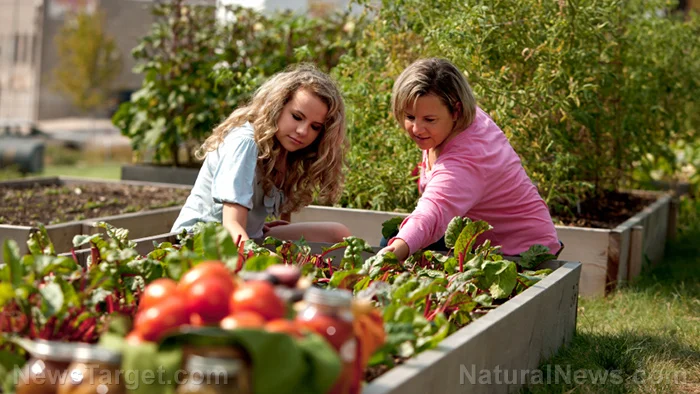
Adams proposes a model where the home becomes a self-sustaining unit. This involves:
- Seed Saving: Moving away from dependency on supply chains by learning to propagate crops from one season to the next.
- Cultivation of Useful Plants: Prioritizing nutritional and medicinal plants that can be grown in home gardens, balcony planters, or indoor environments.
- Continuous Skill Acquisition: Rather than storing food once, the course encourages the continuous practice of food preservation, gardening, and basic repairs, turning these activities into a lifestyle rather than an emergency-only chore.
Community as a Multiplier
The most profound shift in the course’s final chapters is the move from the individual household to the neighborhood network. Adams suggests that resilience is not a solitary pursuit. Instead, it is a "distributed" capability.
"Community is the multiplier of individual resilience," he notes. When one family learns to sprout broccoli or preserve seeds, that knowledge acts as a "seed" that can be planted in the minds of others. The goal is to build a decentralized network of knowledge where skills—rather than just physical supplies—are traded and shared. By cultivating relationships with neighbors, individuals create a form of infrastructure that is immune to the failure of central institutions.
Implications for the Future
The "UNBREAKABLE" course arrives at a time when institutional trust is at an all-time low. By focusing on decentralized, knowledge-based preparedness, the course offers a path for those who feel alienated by mainstream responses to global health and environmental issues.
Challenging the Status Quo
The program is explicitly designed to challenge the reliance on centralized systems. By teaching the science of DNA repair, the course implies that the most important "healthcare" an individual can receive is the kind they perform on their own cells through diet, lifestyle, and environment. By advocating for food production, it challenges the reliance on fragile global food supply chains.
A Framework for Long-Term Sustainability
The implications of the course are long-term. By emphasizing that resilience is a practice—a "living" set of skills—the course moves beyond the "prepper" archetype and into a broader vision of modern self-sufficiency. Whether it is through the technical understanding of how to mitigate the effects of radiation or the social understanding of how to build a resilient neighborhood, the course frames survival as an active, creative process.
Conclusion: Planting the Seeds of Resilience
As the "UNBREAKABLE" marathon concludes on September 14, the final takeaway for participants is clear: every action taken to improve one’s own health or self-sufficiency is a step toward a more secure future. The curriculum acts as a catalyst for a lifestyle change, urging viewers to stop looking for external solutions to systemic problems and start building their own internal and local systems of support.
By grounding itself in both the hard science of genetic repair and the soft science of community building, "UNBREAKABLE" provides a comprehensive, albeit demanding, path forward. It is a call to move from the state of a consumer to the state of a producer—a transformation that, in an uncertain age, may be the most important insurance policy one can own.
For those ready to delve deeper into these strategies, the full 13-chapter course, along with its extensive supporting educational materials, is available for purchase at BrightU.com. Whether one is motivated by the desire to understand the science of spike proteins or the need to build a more self-sufficient household, the course offers a structured approach to reclaiming agency in an era that often feels entirely out of control.