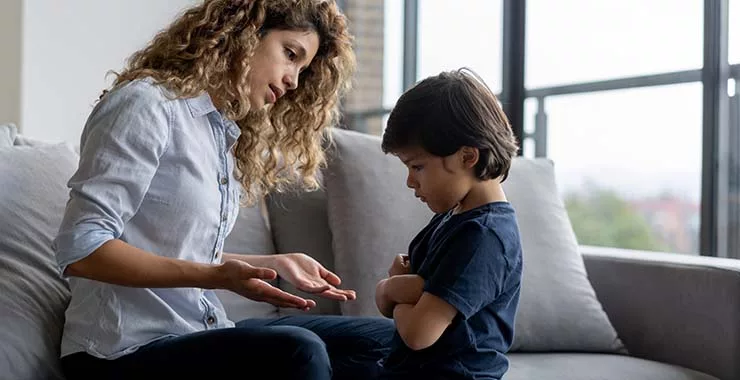
Anxiety is an intrinsic thread in the tapestry of the human experience. It is the biological alarm system that once kept our ancestors alert to predators, but in the modern era, it has morphed into a complex set of responses to the stressors of daily life—financial instability, professional demands, the complexities of parenting, and the pervasive uncertainty of global health and safety. While everyone experiences the occasional "worry," it is critical to distinguish between normative stress and the clinical landscape of anxiety disorders.
When anxiety evolves into a persistent, disruptive force, it alters the trajectory of an individual’s well-being. In children, this manifests as academic decline, social withdrawal, sleep disturbances, and an inability to concentrate. In adults, the impact is equally profound, bleeding into career performance, the stability of intimate relationships, and physical health. As we navigate a world increasingly defined by rapid change, the question arises: Is anxiety a legacy we are unintentionally passing down to the next generation?
The Genetic and Environmental Nexus
The apprehension parents feel regarding their children’s mental health is well-founded. Contemporary research suggests that anxiety is not merely a situational byproduct; it is a complex interplay of genetic predisposition and environmental conditioning.
Supporting Data: The Heritability Factor
Genetic studies have consistently identified a heritable component to anxiety disorders, with estimates of heritability ranging from 30% to 67%. If a child shares a bloodline with a relative diagnosed with an anxiety disorder, the statistical probability of that child experiencing similar symptoms throughout their lifetime rises significantly.
However, genetics is only part of the narrative. A landmark study published in the American Journal of Psychiatry—which followed 900 families with twins—sought to isolate how much of this "transmission" is biological versus learned. The findings were stark: anxiety is frequently passed down through the environment, regardless of shared DNA. The research underscores that anxiety traits are not just inherited; they are modeled. A child’s anxiety can, in a feedback loop, exacerbate a parent’s own distress, creating a cycle that requires conscious intervention to disrupt.
Chronology of Transmission: How Anxiety Takes Root
The transmission of anxiety from parent to child does not occur overnight; it is a gradual accumulation of learned behaviors, overheard narratives, and observational data.
Phase 1: The "Eavesdropping" Effect
Children are remarkably perceptive, often "tuning in" during moments when parents believe they are shielded from adult conversations. Whether it is a discussion about geopolitical instability, financial burdens, or local safety concerns, children are adept at absorbing the emotional valence of these topics. They lack the cognitive framework to process complex adult fears, leading them to fill in the gaps with catastrophic, often internal, narratives.
Phase 2: The Normalization of Avoidance
When a parent encounters a fear, the most immediate instinct is often avoidance. For example, a parent who experienced a traumatic dog bite in childhood may instinctively steer their child away from all dogs, labeling them as "unpredictable." Over time, the child internalizes this avoidance as a survival strategy, developing a phobia that is not based on their own lived experience but on the parent’s reflected fear.
Phase 3: The Overprotection Trap
In an effort to shield children from harm, many parents inadvertently foster a risk-averse mindset. Constant interventions—limiting how high a child climbs on a jungle gym, or restricting independent play—send a powerful, subconscious message: "The world is dangerous, and you are not equipped to handle it." By removing the opportunity for children to encounter calculated risks, parents deny them the chance to build the resilience necessary to navigate the world independently.
Implications for Modern Parenting
The implications of this cycle are significant. If left unaddressed, the intergenerational transmission of anxiety can lead to a generation of adults who struggle to regulate their emotions, who view the world through a lens of perpetual threat, and who lack the "resilience toolkit" required for personal and professional growth.
However, the news is not entirely grim. Because much of this transmission is behavioral and environmental, it is also highly malleable. Parents possess the agency to reframe their reactions, demonstrating that while the world contains challenges, it also contains the resources to overcome them.
Strategies for Breaking the Cycle
To mitigate the environmental transmission of anxiety, parents must adopt a proactive, intentional approach to their own mental health and their modeling behaviors.
Mapping Your Triggers
Self-awareness is the first step in prevention. Parents are encouraged to keep an "anxiety log." By documenting the context of their anxious responses—the time, the preceding thoughts, and the specific triggers—parents can begin to identify patterns. Is the anxiety sparked by a loss of control? By social interaction? By high-stress environments? Identifying these triggers allows parents to seek support before their anxiety influences their child’s perception of reality.
Encouraging Calculated Challenges
Resilience is a muscle that must be exercised. If a parent suffers from a phobia—such as the aforementioned fear of dogs—it is vital to enlist a partner or a trusted, calm adult to bridge the gap. By allowing a child to have positive, supervised experiences with the object of the parent’s fear, the parent prevents the projection of their own trauma onto the child.
Furthermore, parents should actively encourage "positive challenges." If a parent feels anxious watching their child navigate a challenging physical activity, the parent should consciously step back, perhaps taking a walk or focusing on a different task, rather than communicating their apprehension through warnings or over-monitoring. Allowing children to assess their own limits fosters a sense of competence and self-efficacy.
Open Communication and Coping Skills
Silence is often more frightening to a child than age-appropriate honesty. When news of a traumatic event reaches the home, parents should address the topic in a calm, factual, and reassuring manner. Avoid "catastrophizing" the narrative.
More importantly, parents should explicitly teach healthy coping skills. Children should witness their parents using effective stress-management techniques, such as:
- Mindful Breathing: Demonstrating how to use breath to regulate the nervous system during moments of frustration.
- Cognitive Reframing: Talking aloud about how to view a challenge as a learning opportunity rather than a disaster.
- Seeking Professional Help: Normalizing the act of speaking with a therapist or counselor, thereby removing the stigma around mental health care.
Conclusion: Empowering the Next Generation
Anxiety is an inevitable component of the human journey, but it does not have to be an inherited burden. By recognizing the subtle ways in which our fears shape our children’s world, we can transition from being unintentional conduits of anxiety to active teachers of resilience.
Breaking the cycle of intergenerational anxiety requires courage—the courage to face our own triggers, the humility to seek help, and the patience to allow our children to stumble, learn, and grow in a world that, while inherently unpredictable, is also full of possibility. As we model emotional intelligence and coping strategies, we gift our children more than just safety; we gift them the belief that they possess the inner fortitude to navigate whatever challenges lie ahead.