




By Keith Appleton, LMSW, Combat Veteran
In the sterile, fluorescent-lit confines of a detox ward, a veteran sat on the edge of his bed, his bags packed, ready to walk away. He was gripped by the crushing weight of Post-Traumatic Stress Disorder (PTSD) and a paralyzing struggle with substance abuse. His internal narrative was one of profound alienation: he was convinced that no civilian, regardless of their medical credentials, could ever understand the visceral reality of his pain.
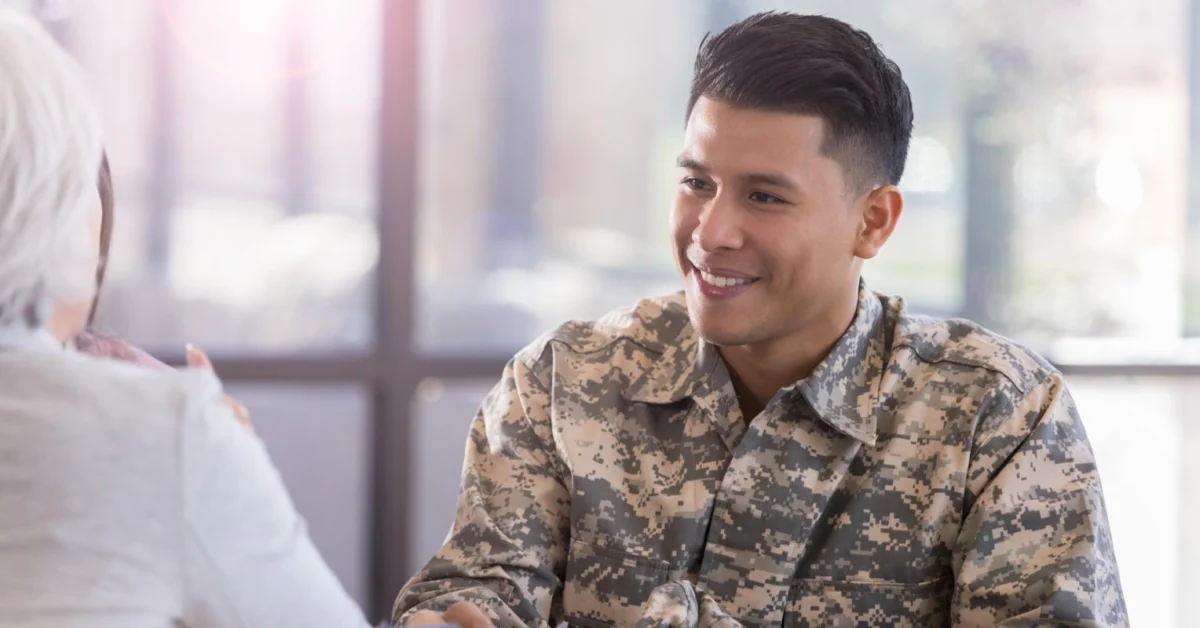
As a fellow veteran, I looked at him and saw something different than the clinical diagnoses on his chart. I saw the raw, resilient strength beneath his struggle. I set aside the standard clinical jargon and instead tapped into our shared military lexicon, reframing his recovery not as a passive medical process, but as an active, high-stakes mission. He stayed.
That moment was not just a clinical success; it was a testament to a critical, life-saving truth: culturally competent care—care that is deeply informed by the nuances of military service—is not just an elective luxury in the mental health field; it is a clinical imperative (Hurley, 2021).
Main Facts: The Scope of the Crisis
The statistics surrounding veteran mental health are as sobering as they are urgent. Roughly 7% of U.S. veterans live with the symptoms of PTSD, and more than 20% grapple with substance-use disorders at some point in their lives (National Center for PTSD, 2023). Yet, the most alarming statistic is not the prevalence of these conditions, but the gap in treatment.
More than half of the veterans who meet the criteria for mental health intervention never receive it. They are held back by an pervasive stigma that persists within the veteran community and the civilian world alike. Many veterans harbor the deeply ingrained belief that civilians "just don’t get it." This is not a matter of arrogance, but a reflection of the reality that military service is not merely a job—it is a comprehensive identity forged through rigid structure, symbolic rituals, extreme hardship, and profound, shared sacrifice.
Chronology: The Arc of Service and the Transition Gap
The journey of a veteran is typically divided into three distinct phases, each carrying its own psychological weight:
- The Formation of Identity: Upon enlistment, the individual is stripped of their civilian identity and rebuilt within the military framework. The uniform, the badges, the specialty schools, and the job titles (MOS) are not mere ornaments. They are the vernacular of a soldier’s story. I wore my Combat Action Badge above my Air Assault Wings with a deep sense of purpose; they served as shorthand for the combat I survived and the competence I earned.
- The Attachment Rupture: Returning to civilian life often involves an immediate "attachment rupture." As documented in Attachment Theory (Bowlby, 1980), when individuals whose identity is tied to a secure base (the military unit) are suddenly removed from that structure, the result is often profound disorientation, grief, and a sense of "lost tribe."
- The Search for New Meaning: The final, and perhaps most difficult, phase is the integration of the military past into a civilian future. Without the support to bridge this gap, many veterans retreat into isolation.
Supporting Data: The Science of Connection
The need for belonging is primal. As Sebastian Junger articulated in his seminal work Tribe, humans are hardwired to function within cohesive, purpose-driven groups. When a veteran leaves the military, they aren’t just leaving a workplace; they are losing their tribe.
Clinicians must recognize that traditional "talk therapy" often fails if it does not address this loss. According to the U.S. Department of Veterans Affairs (2022), the transition period is one of the highest-risk windows for suicide and mental health decline. The data suggests that when therapy is framed through the lens of "post-traumatic growth"—the process by which individuals find positive psychological change as a result of adversity—outcomes improve significantly (Dell’Osso et al., 2022).
Official Responses and Clinical Implications
The Department of Veterans Affairs and private institutions have increasingly recognized that the "one-size-fits-all" approach to mental health is inadequate. There is a growing movement toward "Culturally Competent Care," which requires clinicians to do more than just understand the symptoms of trauma; they must understand the culture of the patient.
The Role of the Family
Families are the silent partners in the veteran’s journey. Often, they are the first to witness the symptoms of moral injury—the distress caused by actions, or the lack thereof, that violate one’s own moral code (Davis, 2023). However, family members are frequently excluded from the therapeutic process.
Empowering families as allies, rather than just observers, allows the entire household to reframe the veteran’s experience. By including spouses and partners in the conversation, clinicians can help dismantle the isolation that feeds trauma.
Reframing the Narrative: Beyond the Trauma
Perhaps the most significant clinical shift required today is the move toward holistic storytelling. Therapy sessions are too often hyper-focused on the traumatic events of deployment. While processing these memories is essential, it creates a narrow, distorted view of the veteran’s life.
I remind my clients of the "whole deployment." I ask them about the sunrise after a sandstorm, the camaraderie of a birthday celebration in a war zone, or the pride of carrying the company guidon across a finish line in 110-degree heat. These memories are not trivial; they are the foundation of a healthy identity. By integrating these moments of pride and joy with the experiences of trauma, we allow the veteran to build a more coherent, resilient self-narrative.
Implementing Military-Informed Therapy
To bridge the gap between the battlefield and the counseling room, clinicians should adopt the following "Mission-Focused" strategies:
- Establish a Shared Language: Begin the therapeutic alliance by asking about the veteran’s Military Occupational Specialty (MOS) and the significance of their service. Validating their history is the first step toward trust.
- Utilize Structured Modalities: Veterans are often comfortable with evidence-based, goal-oriented structures such as Cognitive Behavioral Therapy (CBT) or Eye Movement Desensitization and Reprocessing (EMDR). These methods provide a clear "plan of attack" that resonates with military discipline (Shapiro, 2018).
- Emphasize Mentorship: Shift the therapeutic role from "doctor-patient" to "mentor-mentee." This aligns with the military’s leadership values and reduces the resistance often found in veterans who feel "managed" by civilians.
The Mission Continues: A Call to Action
We have a collective responsibility to serve those who served. This is not a matter of charity; it is a matter of precision and professional duty. A society that sends its citizens into harm’s way must be equally committed to their successful reintegration.
The path forward requires:
- Increased Training for Civilian Clinicians: Mandatory education on military culture for all mental health professionals.
- Family-Integrated Care Models: Ensuring that the veteran’s support system is included in the treatment plan.
- Positive Narrative Integration: Focusing on post-traumatic growth and honoring the positive aspects of the service experience.
Veterans carry their experiences with them like invisible badges—they are symbols of survival, sacrifice, and growth. When these experiences are met with cultural competence, therapy becomes more than a clinical intervention. It becomes a new mission—one that honors the past while providing the tools to conquer the challenges of the future.
The uniform may be folded and tucked away in a trunk, but the spirit of the service member remains. It is our duty to ensure that the transition to civilian life is not an end, but a new, meaningful chapter.
References
- Bowen, M. (1978). Family Therapy in Clinical Practice. Jason Aronson.
- Bowlby, J. (1980). Attachment and Loss: Vol. 3. Loss, Sadness and Depression. Basic Books.
- Davis, L. Y. (2023). Moral Injury: The Hidden Adversary of War.
- Dell’Osso L, et al. (2022). Post Traumatic Growth (PTG) in the Frame of Traumatic Experiences. Clin Neuropsychiatry.
- Hurley, E. C. (2021). A Clinician’s Guide for Treating Active Military and Veteran Populations with EMDR Therapy. Springer Publishing.
- Junger, S. (2016). Tribe: On Homecoming and Belonging. Twelve.
- National Center for PTSD. (2023). PTSD in Veterans: Facts and Figures. U.S. Department of Veterans Affairs.
- Shapiro, F. (2018). Eye Movement Desensitization and Reprocessing (EMDR) Therapy: Basic Principles, Protocols, and Procedures (3rd ed.). Guilford Press.
- U.S. Department of Veterans Affairs. (2022). National Veteran Suicide Prevention Annual Report.