










As we navigate the later chapters of life, the traditional metrics of physical fitness—such as how much weight we can lift or how fast we can run—often lose their relevance. Instead, the focus shifts toward functional independence, joint integrity, and the ability to navigate the world with confidence and stability. For those over the age of 70, leg strength is arguably the most critical component of healthy aging. While many look to traditional squats or lunges, there is a quieter, more effective, and arguably safer tool in the fitness arsenal: the wall sit.
A 60-second wall sit is more than just a fitness challenge; it is a vital indicator of neuromuscular control, core stability, and muscular endurance. By shifting the goal from "maximum effort" to "controlled consistency," we can better understand what our bodies need to remain active, mobile, and strong well into our 80s and beyond.
The Core Philosophy: Redefining Strength After 70
By the time an individual hits their 70s, the priority is no longer to set personal records in a gym. The goal is to ensure that the legs can support the body in positions that are controlled, steady, and repeatable. Leg strength is the foundation of balance, gait efficiency, and the prevention of falls.
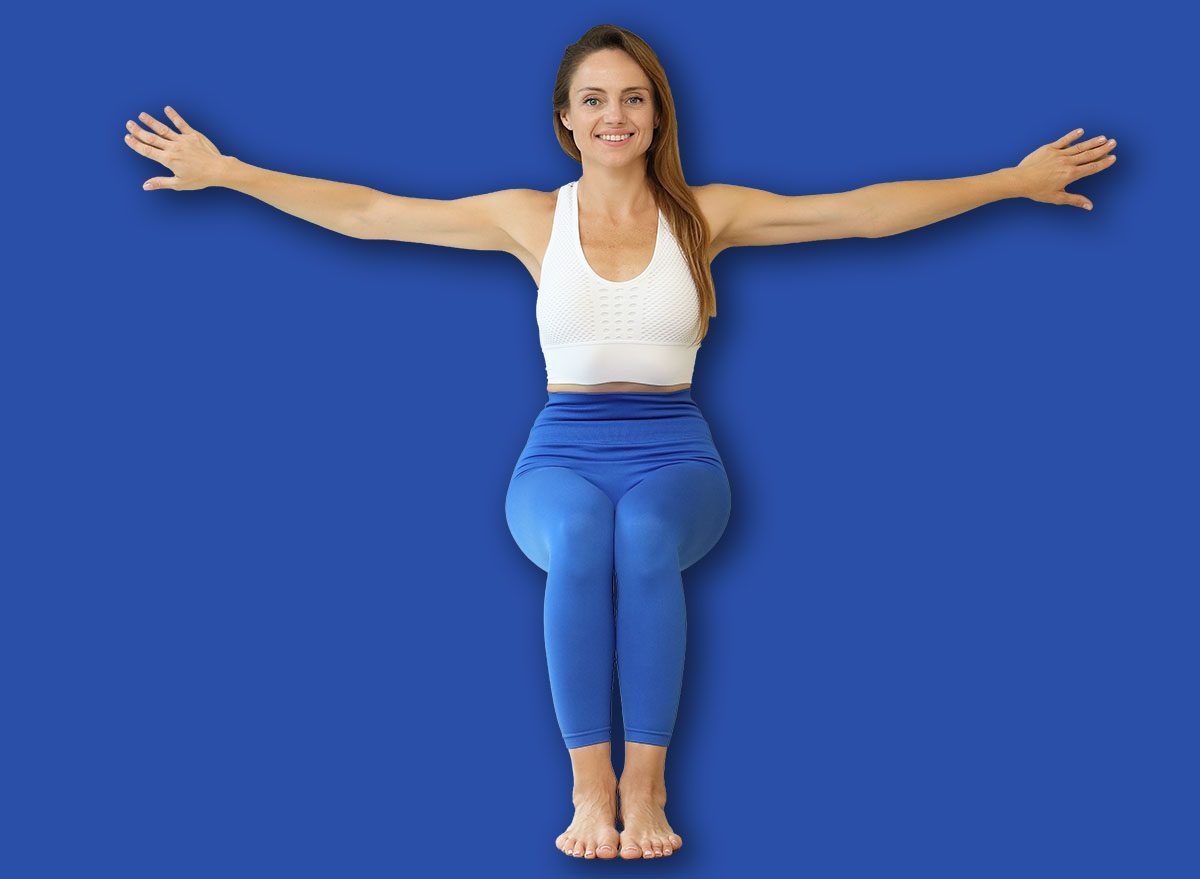
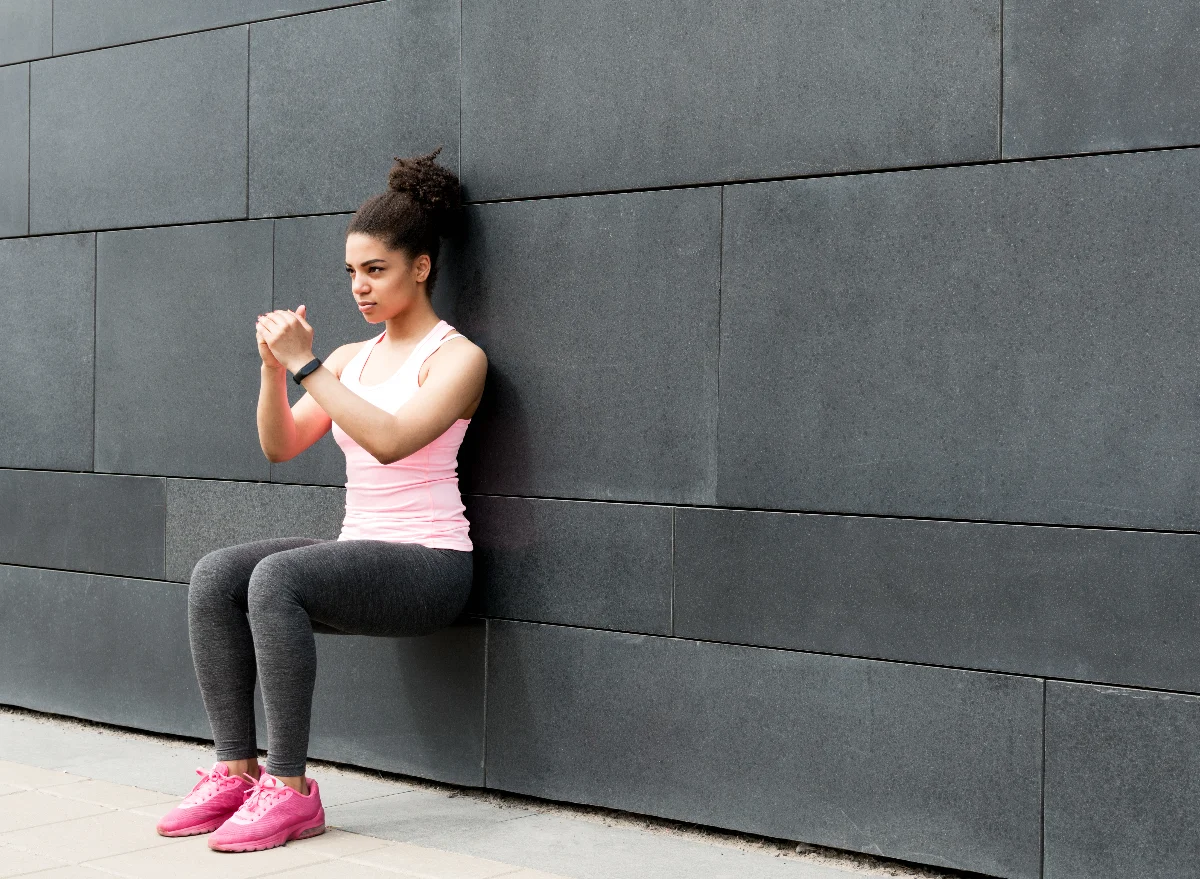
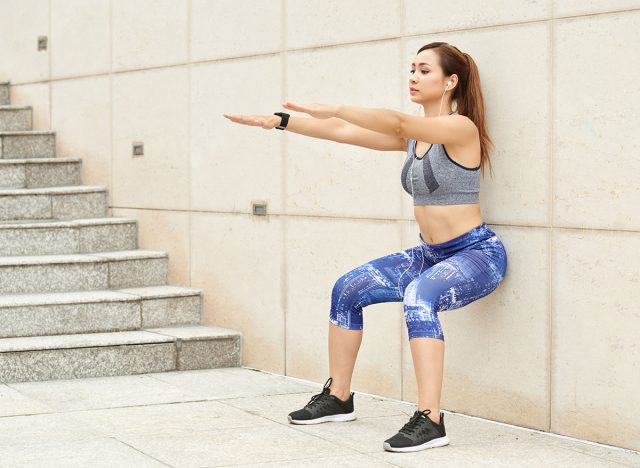
The wall sit serves as a premier isometric exercise because it removes the instability of movement while demanding high levels of muscular tension. By utilizing the wall as a support structure, the individual can choose a depth that fits their specific physiological needs. Whether you are holding a high, gentle squat or a deep, challenging position, the primary objective remains the same: building the endurance necessary to stay upright and active throughout the day.
Why Isometric Training Matters
Isometric training—where muscles generate force without changing length—is uniquely suited for the aging population. Because the joints do not need to move through a wide range of motion, the risk of irritation or injury is significantly lower than in dynamic exercises like squats or deadlifts. However, the internal demand on the muscles remains high. This provides a "best-of-both-worlds" scenario: the metabolic and structural benefits of heavy training without the high-impact wear and tear on the knees and hips.
Chronology of Progression: From Beginner to Benchmarker
Reaching a 60-second hold is not a feat to be accomplished in a single session. It is a process of gradual adaptation. For those just beginning, the journey starts with understanding the body’s current capacity.
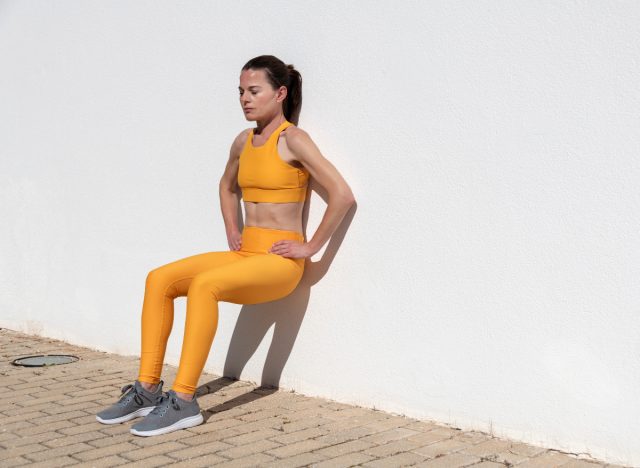
- The Foundation Phase (Weeks 1-4): The focus is on establishing a baseline. Beginners should start with a "high" wall sit, where the thighs are well above parallel to the floor. Holding this for 15 to 20 seconds at a time allows the muscles to adapt to tension without overtaxing the connective tissues.
- The Stability Phase (Weeks 5-8): Once 20 seconds feels manageable, the goal is to increase the duration rather than the depth. Aim to hold for 30 to 40 seconds. During this phase, focus on "clean" form—ensuring the back remains flush against the wall and the feet are firmly planted.
- The Endurance Phase (Weeks 9-12): As you approach the 45-second mark, you may begin to lower your center of gravity slightly. The goal here is to maintain a steady, calm breath while holding the position.
- The Performance Phase (Weeks 12+): Achieving a full 60-second hold is the milestone. At this point, the exercise serves as a maintenance tool, reinforcing the strength of the quadriceps and glutes, which act as the primary engines for daily movement.
Supporting Data: What Your Time Really Means
Fitness professionals categorize wall sit performance into tiers to help individuals gauge their functional readiness. It is important to note that these are not competitive marks, but rather benchmarks for internal monitoring.
- 0–20 Seconds (The Foundation): This indicates that you are in the early stages of building lower-body endurance. This is a perfect place to start. Consistency here is the key to unlocking future gains.
- 20–40 Seconds (The Engagement Phase): This suggests a solid foundation of muscle activation. You are successfully building the endurance required to handle daily activities like getting out of a chair or navigating stairs with ease.
- 40–60 Seconds (The Strength Phase): You are operating in a strong range. Your legs demonstrate significant endurance, and your nervous system is well-adapted to holding tension under pressure.
- 60+ Seconds (The Longevity Benchmark): A one-minute hold is considered the "Gold Standard" for those over 70. It signifies that your legs are capable of creating force, maintaining control, and managing fatigue, which are essential for long-term independence.
Expert Perspectives: The Clinical View on Isometric Loading
Physiotherapists and geriatric exercise specialists often emphasize that the "best" wall sit is not necessarily the lowest one. The value of the exercise is found in the quality of the hold.
"When we look at functional longevity, we aren’t looking for a depth that causes pain," says Jarrod Nobbe, a renowned sports performance coach. "We are looking for a position where the muscles are firing and the joints are comfortable. If someone forces themselves into a deep squat and their knees start to shake or their form breaks down, they’ve lost the benefit of the exercise."
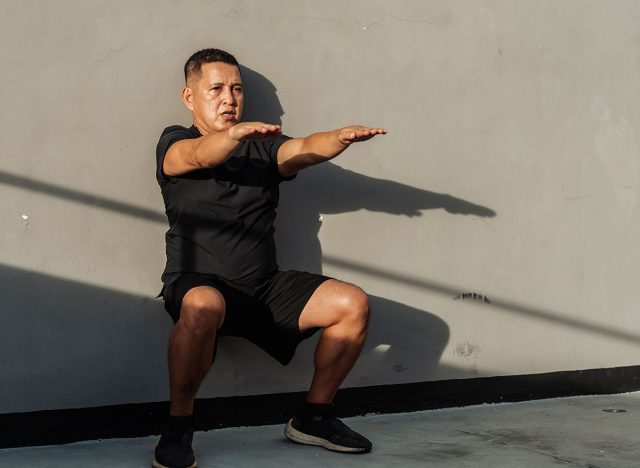
The expert consensus is clear: the wall sit is an invaluable tool for bent-knee confidence. Many of the challenges faced by seniors—such as difficulty standing from a low seat or losing balance during a transition—are directly linked to an inability to maintain control in a bent-knee position. By training the wall sit, you are essentially "practicing" the most common movements of daily life in a safe, controlled, and repeatable environment.
Implications: Building a Resilient Future
The implications of mastering the wall sit extend far beyond the duration of the hold itself. When you strengthen the quads and glutes through isometric training, you provide better support for the knee and hip joints. This is a critical component of fall prevention. A study in the Journal of Aging and Physical Activity suggests that consistent leg strength training can reduce the risk of mobility-related falls by nearly 30% in adults over 70.
Furthermore, the psychological impact of knowing you have the strength to support your own body weight is profound. This confidence often translates into increased daily activity, as the fear of movement or potential instability begins to diminish.
How to Modify for Success
If a standard wall sit feels inaccessible, there are several modifications that maintain the spirit of the exercise:
- Chair-Assisted Wall Sit: Place a sturdy chair in front of you for balance. This removes the fear of falling and allows you to focus on the muscular engagement.
- The High-Wall Sit: Instead of aiming for a 90-degree angle at the knees, stay at a 120-degree angle. This significantly reduces the pressure on the patellar tendon while still providing a potent stimulus to the quads.
- Weighted Variations: For those who have easily mastered the 60-second hold, adding a light dumbbell or a weighted vest can increase the intensity, further challenging the muscular endurance of the legs.
Conclusion: A Lifetime of Strength
The 60-second wall sit is a simple, effective, and highly scalable test of your physical vitality. It does not require expensive equipment or a gym membership; it only requires a wall and a commitment to your own health. By approaching this goal with patience and a focus on form over ego, you are investing in the most valuable asset you possess: your mobility.
As you progress through your 70s and beyond, remember that the goal is not to prove how "tough" you are. The goal is to ensure that your legs remain as capable and resilient as possible, allowing you to walk, climb, and move with the freedom you deserve. Start where you are, stay consistent, and let the 60-second benchmark be your guide toward a stronger, more independent future.