









Reviewed by Brian St. Pierre, MS, RD
In the landscape of modern health and wellness, few developments have caused as much professional existential dread—and subsequent innovation—as the meteoric rise of GLP-1 receptor agonists. When medications like semaglutide (Ozempic) first gained traction in 2017, many health and fitness coaches viewed them with skepticism, fearing that a pharmacological shortcut would render their services obsolete.
By 2026, the reality has shifted dramatically. With over 1 in 10 U.S. adults now utilizing these medications, the "theoretical threat" has become a permanent fixture of the coaching environment. Rather than disappearing, the role of the coach has evolved. The industry has realized that while these drugs can alter physiology, they cannot replace the foundational behavioral habits required for long-term health.
As Kate Solovieva, Director of Community at Precision Nutrition, succinctly puts it: "As a coach, you’re not in the GLP-1 world; you’re in the GLP-1 support world."
A Chronology of the GLP-1 Integration
The trajectory of GLP-1s in the fitness sector can be categorized into three distinct phases:
- The Era of Denial (2017–2020): These medications were largely perceived as "cheating." Coaches often dismissed the drug as a band-aid solution, focusing their energy on "traditional" willpower-based approaches.
- The Era of Collision (2021–2023): As prescription rates climbed, coaches began seeing the side effects firsthand. Muscle mass loss, nutrient deficiencies, and the mental struggle of rapid, "easy" weight loss became common client complaints.
- The Era of Collaboration (2024–Present): Professional organizations and coaches have largely embraced a "support-first" model. The focus has shifted from judging the medication to optimizing the patient’s experience while on it.
Supporting Data and Clinical Realities
The medical necessity for coaching in this space is backed by stark data. Research suggests that up to 40 percent of weight lost via GLP-1 medications can be attributed to lean mass reduction—specifically muscle tissue. Without the intervention of resistance training and high-protein intake, clients risk emerging from their weight-loss journey with a compromised metabolism and lower physical functionality.
Furthermore, statistics indicate that roughly 50 percent of users discontinue these medications within the first year, often due to side effects or financial barriers. For these individuals, the "crash" of weight regain is a significant psychological and physiological risk. Studies show that individuals who integrate structured nutritional and exercise habits while on the medication are four times more likely to maintain a 10 percent or higher weight loss once the medication is stopped.
The 7 Archetypes of the GLP-1 Client
Effective coaching requires recognizing that "readiness" is fluid. Coaches must adapt their approach based on the specific psychological and physical state of the client.
1. The Honeymooner
This client is in the "peak success" phase. They have few side effects and are losing weight without changing their lifestyle.
- Coaching Move: Resist the "righting reflex." Do not lecture them on future risks. Instead, celebrate their current success and plant the seed: "If you ever want to optimize your muscle mass or nutrition, I am here."
2. The Ambivalent Candidate
They are teetering on the edge of starting medication, paralyzed by the fear of being "weak" or "giving up."
- Coaching Move: Use the "4 Crazy Questions" exercise. Help them explore the pros and cons of both starting and not starting the medication, removing the judgment and focusing on their personal values.
3. The Ready-to-Quitter
They are losing weight but suffering from nausea, exhaustion, and severe side effects.

- Coaching Move: De-personalize the experience. Explain that side effects are common and often a result of dosing issues. Encourage them to communicate with their doctor about dosage adjustments and experiment with smaller, more frequent meals.
4. The Muscle-Loss Risk
This client is losing weight rapidly but is sedentary and under-fueling.
- Coaching Move: Bring awareness to the invisible. Use DEXA scans or functional tests (like stair climbing or carrying groceries) to show them the importance of building lean mass. Prioritize protein intake at every meal.
5. The Under-Fueler
The medication has suppressed their appetite so effectively that they are barely eating, leading to nutrient deficiencies and potential disordered eating triggers.
- Coaching Move: If a history of eating disorders exists, refer out immediately. Otherwise, implement a "mechanical eating" schedule—eating every 3–4 hours regardless of appetite to ensure nutritional adequacy.
6. The Graduate
They have reached their goal and are choosing to taper off the medication.
- Coaching Move: Temper expectations. Remind them that coming off the drug is the start of an endurance phase. If they haven’t built the "ruts" of habit—like consistent training and protein intake—now is the time to finalize those routines.
7. The Priced-Out
They were succeeding but lost access to the medication due to insurance or financial shifts.
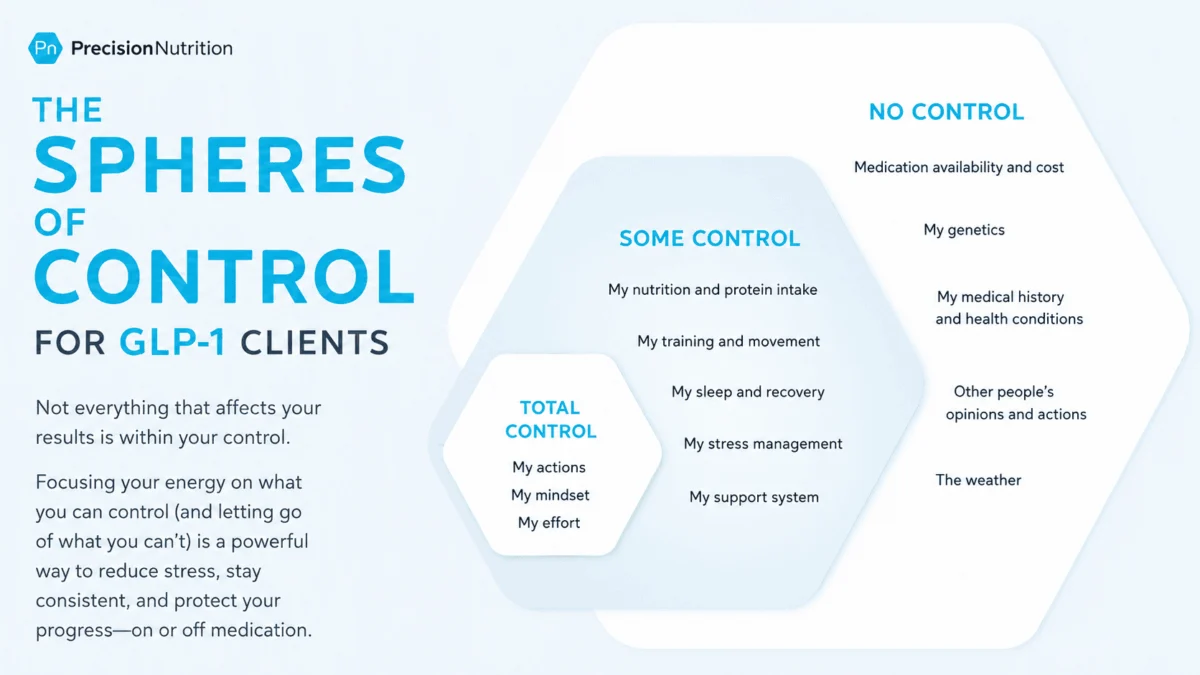
- Coaching Move: Validate their frustration as a systemic failure, not a personal one. Shift the focus to their "Sphere of Control"—what they can manage (sleep, protein, movement) versus what they cannot (drug pricing).
Official Responses and Ethical Boundaries
It is critical to note that medical intervention is outside the scope of a fitness coach. Coaches must not suggest dosage changes or claim to know what is "right" for a client’s medical history. The professional standard is to provide data and support, while encouraging clients to maintain a tight communication loop with their prescribing physicians.
When symptoms like vomiting, severe constipation, or abdominal pain arise, the coach’s only "move" is to ensure the client is consulting their medical team immediately.
Implications for the Future of Coaching
The long-term success of a client on GLP-1s hinges on the "Oregon Trail" analogy provided by Coach Toni Bauer. The medication creates the initial path, but the habits the coach builds—consistent nutrition, resistance training, and mindfulness—are the "ruts" that remain long after the medication is discontinued.
The future of the fitness industry is not in fighting pharmaceuticals, but in providing the behavioral "scaffolding" that makes those pharmaceutical results sustainable. Coaches who can guide clients through these seven archetypes are not just surviving in the age of Ozempic; they are becoming the most essential professionals in their clients’ lives.
As we look toward the remainder of the decade, the most successful coaches will be those who can marry the science of pharmacology with the art of habit formation, ensuring that when the medication stops, the client’s progress does not.
For those looking to deepen their expertise in this evolving field, the PN Level 1 Nutrition Coaching Certification offers comprehensive training on navigating the complexities of modern client needs, including the integration of medical interventions with sustainable, habit-based coaching.