







By [Your News Agency/Staff Writer]
Published: August 11, 2026
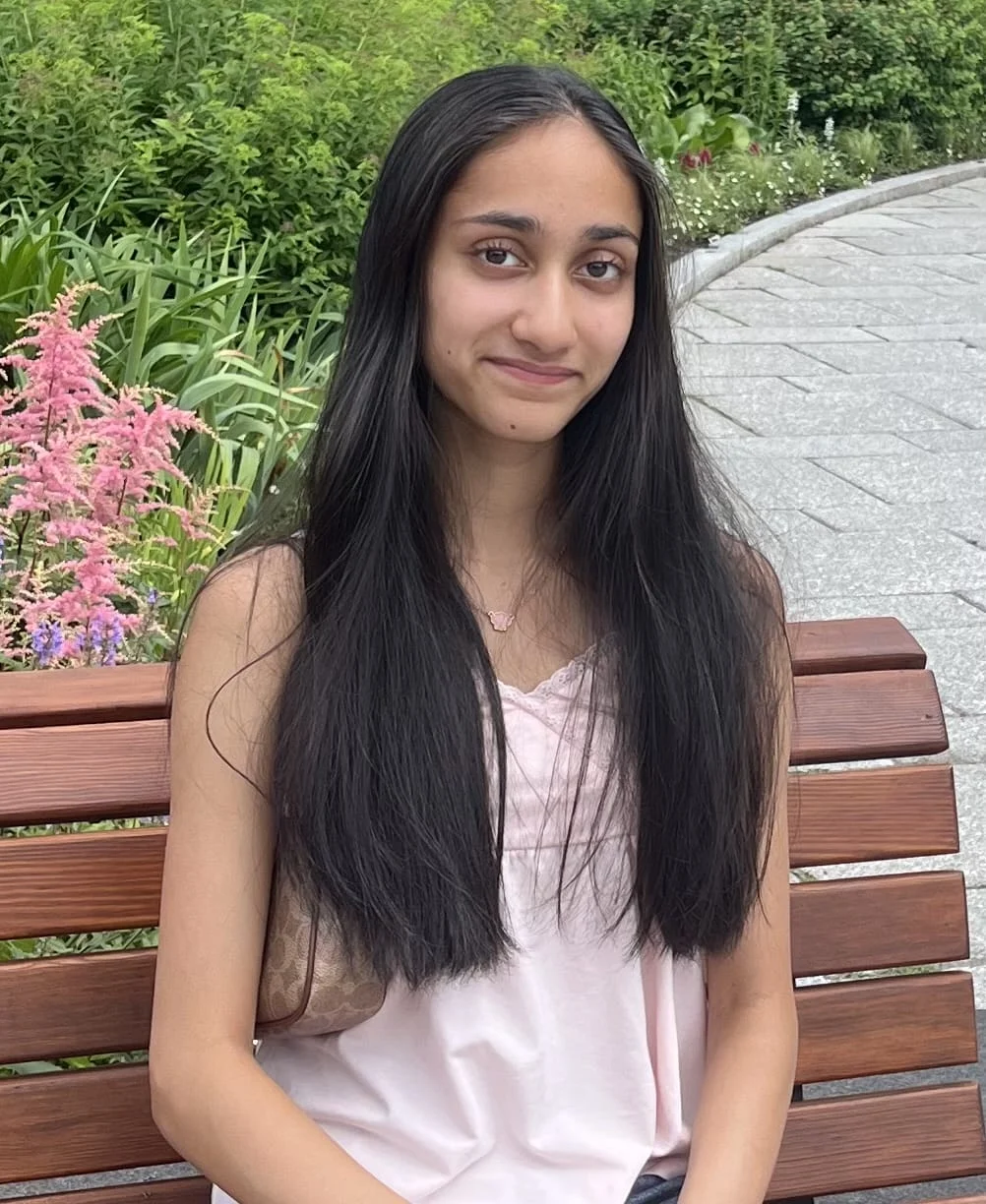
WASHINGTON, D.C. — A landmark qualitative study conducted over the past year is shedding new light on the systemic failures and personal triumphs of neurodivergent people of color (POC) within the American mental health system. The research, spearheaded by student advocate and researcher Yashvi Bharariya, suggests that the traditional clinical approach—often focused on isolated symptoms rather than the "whole person"—creates significant barriers for those navigating the intersection of cultural identity and neurodivergence.
The findings, currently under review for publication, underscore a critical gap in psychological practice: the failure to account for "intersectionality," a term describing how overlapping social identities, such as race and disability, interact to create unique experiences of discrimination and privilege.
Main Facts: The "Whole Picture" Crisis
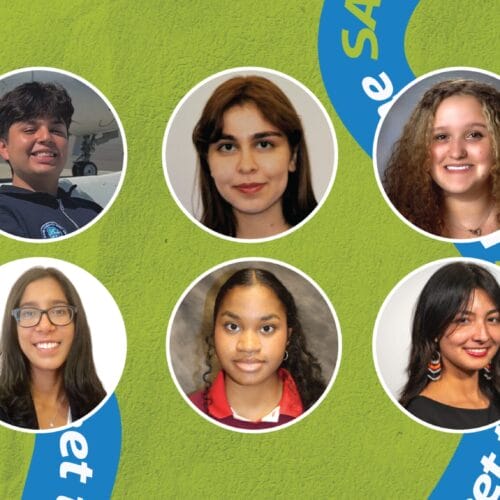
The core of Bharariya’s research lies in the lived experiences of six individuals who identify as both neurodivergent and people of color. While the sample size is qualitative rather than quantitative, the depth of the narratives provides a roadmap for what many experts call a "crisis of care" for minority populations.
One of the most poignant testimonies came from a 26-year-old Latine woman diagnosed with Attention-Deficit/Hyperactivity Disorder (ADHD). She described a clinical environment where her identity was secondary to her medical chart. "I was given a prescription for a diagnosis on a piece of paper, not for a Hispanic woman in her early 20s," she told Bharariya.

This sentiment highlights a recurring theme in the study: the "clinical miss." When a therapist fails to recognize the cultural context of a patient, it is not merely an awkward social interaction; it fundamentally alters the efficacy of the treatment. The research suggests that when cultural nuances are ignored, neurodivergent traits are often misinterpreted, leading to a breakdown in trust and a high rate of patient attrition.
Key findings from the study include:
- The Invisibility of Internalized Symptoms: Neurodivergent POC, particularly women, often present with "internal chaos" rather than the disruptive, externalized behaviors typically associated with conditions like ADHD or Autism.
- Cultural Translation Barriers: Concepts central to Western therapy, such as "setting boundaries" or "managing sensory overload," often lack direct equivalents in collectivist cultures, rendering some therapeutic tools ineffective in a home environment.
- Identity Misconstruction: Long-term delays in diagnosis often lead patients to internalize their neurodivergent traits as character flaws—such as laziness or dramatic behavior—before receiving a medical explanation.
Chronology: A Year of Qualitative Investigation
The research project began in mid-2025, born from Bharariya’s observation that mainstream mental health advocacy often treated neurodiversity and racial equity as separate silos.
August 2025 – October 2025: Project Inception and Methodology
Bharariya, working as a student researcher, developed a qualitative framework designed to capture the "unseen" barriers in the therapist’s office. The goal was not to measure the frequency of barriers, but to understand their nature.
November 2025 – May 2026: The Interview Phase
Over seven months, Bharariya conducted in-depth interviews with neurodivergent POC across various backgrounds, including Latine, Chinese-American, and African-American participants. These sessions focused on the journey from the first onset of symptoms to the eventual entry into the mental health system.

June 2026 – July 2026: Data Synthesis and Theme Extraction
The research moved into the analysis phase. Bharariya identified that the barriers described by participants were not separate obstacles but a single, recurring "intersectionality barrier." During this time, the concept of "clinical curiosity" emerged as the most effective countermeasure to these systemic failures.
August 2026: Public Release and Publication Review
The findings were shared with mental health advocacy groups like Active Minds, sparking a national conversation about the need for "culturally educated" care rather than just "identity matching."
Supporting Data: The Cost of Misinterpretation
While Bharariya’s study focuses on qualitative narratives, it aligns with broader national data regarding mental health disparities. According to the National Institute of Mental Health (NIMH), POC are significantly less likely to receive mental health services than white counterparts, and when they do, the care is often of lower quality.
The study highlights how this disparity is exacerbated by neurodivergence. For example, one female participant in the study was tested five times before finally receiving an ADHD diagnosis. Her symptoms did not fit the "disruptive boy" stereotype that remains the clinical benchmark for many providers.
"The cost isn’t only the wait," Bharariya notes in her report. "By the time a medical explanation arrives, many people have already built an identity around the wrong one." The research found that "self-blame gets there first," as patients spend years believing they are "not trying hard enough" before a clinician validates their neurodivergent reality.

Furthermore, the study illustrates the "Home-to-Clinic Gap." A Chinese-American man with autism noted that the vocabulary of therapy—specifically terms like "sensory overload"—sounded "dramatic" or "disrespectful" when translated into his native language at home. Because the therapist did not account for this cultural friction, the patient was unable to apply his coping mechanisms in the environment where he needed them most.
Official Responses: A Call for Clinical Curiosity
Mental health organizations and advocacy groups have begun responding to the implications of Bharariya’s research. Active Minds, a leading nonprofit supporting mental health for young adults, has amplified the study as part of its mission to create more inclusive systems of care.
"Everyone deserves to be seen as a whole person," a spokesperson for Active Minds stated. "Yashvi’s research reminds us that we cannot separate a person’s neurodivergence from their culture. The two are inextricably linked."
Clinical experts have also weighed in on the study’s recommendation for "clinical curiosity." Dr. Elena Rodriguez, a clinical psychologist specializing in multicultural neurodiversity (who was not involved in the study), noted that the findings challenge the current push for "identity matching."
"While it is ideal for a patient to see a therapist who shares their background, there simply aren’t enough BIPOC [Black, Indigenous, and People of Color] clinicians to meet the demand," Dr. Rodriguez explained. "Bharariya’s research suggests a more sustainable path: training all clinicians to be ‘culturally educated’ and inherently curious. It’s about asking the patient about their whole life, not just their symptoms."

The research has also caught the attention of educational advocates, as Bharariya herself is a high school student. Her work is being cited as a prime example of "youth-led research" that can fill gaps in academic literature that adult professionals might overlook due to institutional bias.
Implications: Reshaping the Future of Therapy
The implications of this study are far-reaching, suggesting a need for a fundamental shift in how therapists are trained and how patients seek care.
1. Reform in Clinical Training
Current medical and psychological curricula often treat "Cultural Competency" as a standalone module. Bharariya’s research suggests it must be integrated into neurodivergence training. Clinicians must learn to recognize that "internal chaos" in a Latine woman may be the same neurological condition as "disruptive behavior" in a white male, but filtered through different cultural and gendered expectations.
2. The Move Toward Intersectionality
The study proves that identities do not "stack" like layers; they interact. For a neurodivergent person of color, the experience of racism and the experience of sensory processing issues are not two separate problems—they are a combined reality. Future therapeutic models must address this synthesis.
3. Empowering the Patient
For neurodivergent POC, the study offers a form of validation. It documents that feelings of being "too much" or "a bad fit" for therapy are often the result of systemic patterns rather than personal failure. Bharariya encourages patients to interview their providers, asking directly: "How do you think about culture and neurodivergence together?"
4. Systemic Fixability
Despite the heavy themes, the report ends on a note of optimism. Because the primary tool for improvement—curiosity—is a learnable skill, the barriers identified are "fixable." The research suggests that the path forward involves clinicians moving away from the "diagnosis on a piece of paper" and toward the "whole picture" of the human being sitting across from them.
As Bharariya’s research moves toward formal publication, it stands as a testament to the power of listening. Six stories may not represent the entire population, but they provide six vital data points in a field that has historically ignored the voices of those at the intersection of neurodiversity and race.
"Ask me about my whole life," one participant concluded. "Not just my symptoms." In that simple request lies the future of inclusive mental health care.
For more information on inclusive mental health resources or to connect with advocacy chapters, visit ActiveMinds.org.