










As the calendar turns to April, we mark Stress Awareness Month, a critical period for the millions of individuals navigating the complexities of caregiving. For the "Sandwich Generation"—those caught in the dual role of caring for aging parents while simultaneously raising their own children—stress is not merely a seasonal concern; it is a chronic, often systemic, condition.
The latest research into neurobiology and longevity suggests that the secret to maintaining mental fortitude does not lie in grand, time-consuming retreats, but in the intentional activation of our five senses. As detailed in the Me Time Monday framework, brain health is inextricably linked to sensory engagement. For those with limited free time, reclaiming one’s well-being can be achieved in micro-doses: just seven minutes of focused sensory activity can yield profound physiological benefits.

The Core Thesis: Neuroscience in Micro-Doses
The philosophy of "Self-Care in 7 Minutes" is grounded in the reality of the caregiver’s lifestyle. When the demands of a loved one dictate your schedule, traditional "self-care" (such as a weekend getaway or an hour-long yoga class) often feels like an impossible luxury.
However, neuroscience reveals that the brain responds to consistent, brief interventions as effectively as it does to singular, lengthy ones. By utilizing the five senses as a gateway to the nervous system, caregivers can lower cortisol levels, decrease oxidative stress, and stimulate the production of essential neurotransmitters. This article explores how to integrate these evidence-based practices into your daily life throughout April, transforming the month from a period of observation into a period of genuine restoration.

A Chronology of Care: April’s Wellness Calendar
To help structure your journey, we have mapped specific sensory-based interventions to observances throughout April. Each provides a tangible "stressbuster" designed for the busy individual.
April 1: National Walking Day (Sight and Nature)
Walking is often viewed as a physical exercise, but on National Walking Day, we invite you to pivot your focus to the visual cortex.

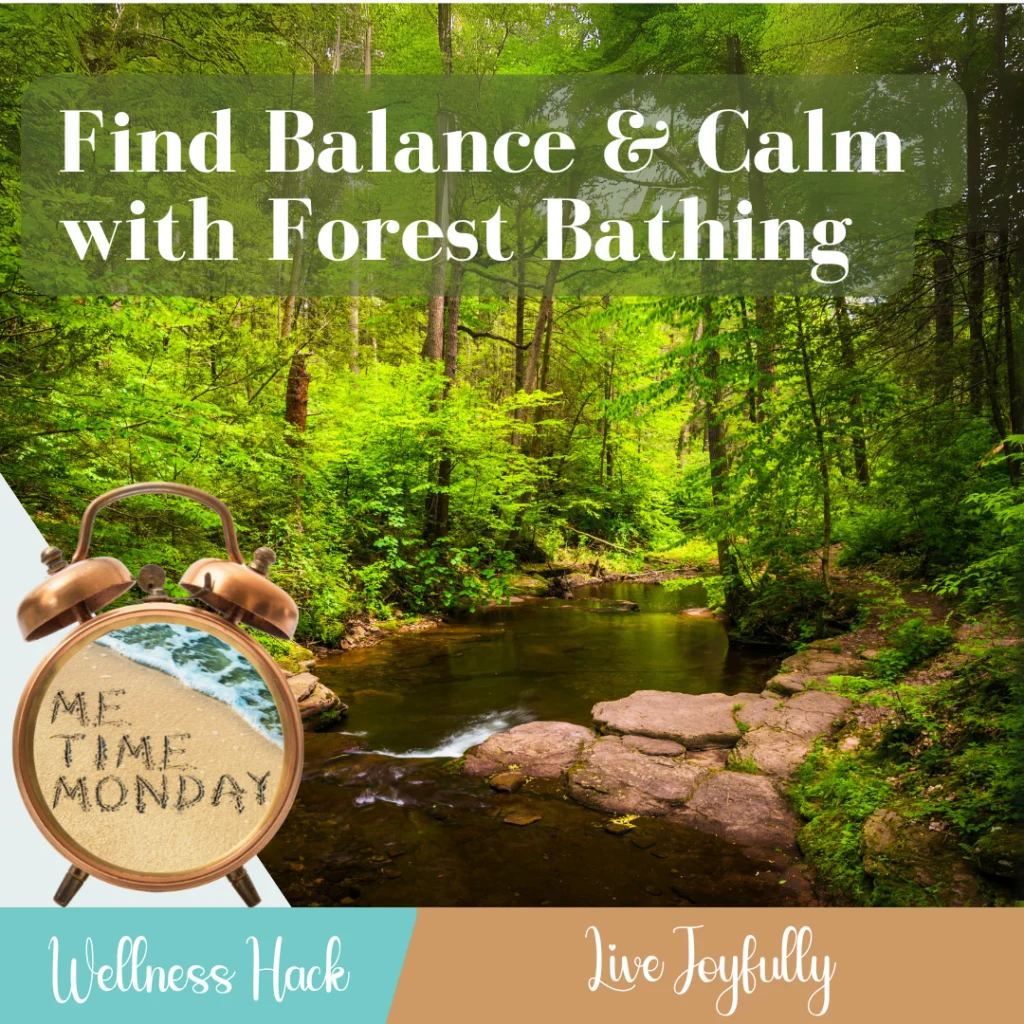
- The Hack: Take a seven-minute walk, but refrain from checking your phone or focusing on your pace. Instead, "walk with your eyes." Scan the environment—note the geometry of tree branches, the specific hue of a flower, or the play of light on pavement.
- The Science: Research indicates that seven minutes of walking in a natural environment is physiologically equivalent to twenty minutes on a treadmill in a sterile, indoor gym. This nature-based movement actively alleviates oxidative stress, which is a primary driver of systemic inflammation—a common enemy for those dealing with chronic stress.
April: National Humor Month (Social Wellness and Bonding)
While the world focuses on the "fun" side of humor, the biological implications of a belly laugh are profound.
- The Hack: Flex your social wellness muscle. Schedule a seven-minute call or, preferably, an in-person visit with a friend.
- The Science: Laughter is an ancient bonding ritual. When we laugh in the presence of others, our brains release oxytocin, the "love and bonding" hormone. The Harvard Adult Development Study—a landmark project tracking human health for over 85 years—has consistently identified the quality of relationships as the single most significant predictor of long-term health, happiness, and longevity.
Mid-April: National Healthy Home Month (Taste and Visual Optimization)
Our environment dictates our internal state. The color green, for example, triggers an evolutionary response in the human brain, signaling a reliable food source and safety.

- The Hack: Introduce "eye candy" into your kitchen. Keep a bowl of avocados on the counter.
- The Science: Avocados are not just a healthy fat source; they are biological tools for eye health. Rich in lutein and zeaxanthin, they help protect against the blue light emitted by digital devices—a necessary defense for the modern caregiver who spends hours managing appointments and care logs on screens.
April 26: National Get Organized Day (Environment and Cognitive Load)
Clutter is not just a nuisance; it is a neurological stressor.
- The Hack: Dedicate seven minutes to clearing a single surface in your workspace or home.
- The Science: The brain is hard-wired to scan for threats. When a room is cluttered, the brain’s "danger" sensors remain partially active, preventing true relaxation. Decluttering creates a clear visual field, which lowers the resting heart rate and reduces the baseline stress response.
April 30: National Sense of Smell Day (Olfactory Health and Air Quality)
Our sense of smell is the only sense directly connected to the limbic system—the emotional center of the brain.

- The Hack: Introduce one of the "NASA-approved" houseplants into your home: Areca Palm, Aloe, Bamboo, English Ivy, or a Spider plant.
- The Science: Indoor air quality directly impacts respiratory health and cognitive clarity. These plants act as natural filters, scrubbing toxins and dust from the air, thereby improving the sensory environment in which you spend your most taxing hours.
Supporting Data: Why Seven Minutes Matters
The "7-Minute" threshold is not arbitrary. It is based on the concept of autonomic regulation. When an individual is in a state of high stress, the sympathetic nervous system (the "fight or flight" response) dominates. Shifting back to the parasympathetic nervous system (the "rest and digest" state) requires a deliberate interruption of the stress loop.
Studies show that by engaging in a sensory-rich task, the brain is forced to divert resources away from the amygdala (the fear center) toward the prefrontal cortex (the center of logic and calm). This transition typically takes approximately six to eight minutes of focused engagement, making seven minutes the "sweet spot" for neurological reset.

Official Perspectives and Expert Insight
According to experts in the field of caregiver advocacy, the primary barrier to self-care is the "guilt cycle." Caregivers often feel that if they aren’t directly attending to their loved one, they are failing.
"We must reframe self-care as a vital component of the caregiving infrastructure," states the Me Time Monday initiative. "If the caregiver’s brain is inflamed, exhausted, or dysregulated, the quality of care they provide naturally declines. By engaging in these seven-minute hacks, you are not ‘stealing’ time from your loved one; you are investing in the sustainability of the caregiving partnership."

Implications: Building a Sustainable Future
The implications of this approach are far-reaching. As the global population ages, the number of people entering the Sandwich Generation is rising. If we rely on outdated models of self-care—which demand time and resources that caregivers simply do not have—we risk a burnout epidemic.
The Path Forward:
- Systemic Integration: Employers and health organizations should adopt these micro-intervention strategies. Providing webinars or workshops that focus on "wellness in minutes" rather than "wellness in hours" significantly increases participation and efficacy.
- Environmental Awareness: As noted in our April themes, the home environment is a tool for mental health. Small, inexpensive changes—such as adding a plant or reorganizing a desk—can create a "therapeutic architecture" within the home.
- Community and Connection: The move toward social wellness (humor and bonding) reinforces the importance of peer support networks. Caregivers should prioritize these small social bursts to combat the isolation that often accompanies the role.
Conclusion: Reclaiming Your Sensory Self
April is more than a month for awareness; it is an invitation to experiment with your own biology. By treating your senses as instruments of health, you can begin to dismantle the chronic stress that has become the "new normal" for so many.
Whether it is the visual stimulation of a nature walk, the hormonal boost of a shared laugh, or the cognitive relief of a tidy workspace, these seven-minute hacks offer a pathway to longevity. You are the most important part of your caregiving equation. Without your health, the system fails. Take the seven minutes—your brain, your body, and your loved ones will thank you for it.
For further resources, including the "Self-Care in 7 Minutes" video series, visit the Caregiving Club’s official YouTube channel. Engage with the community, subscribe for weekly updates, and join us as we turn neuroscience into a practical, everyday reality.