









For many, the onset of lower back pain isn’t a sudden, dramatic event. It often begins as a subtle, nagging inconvenience: a sharp twinge when bending to tie your shoelaces, a persistent stiffness after sitting for an hour at your desk, or a newfound hesitation when lifting a heavy grocery bag. These are not just "signs of aging"; they are the body’s warning signals that the structural integrity of your core is beginning to compromise.
As we move past the age of 60, the physiological landscape of the body changes. The muscles that stabilize the lumbar spine—the foundation of our kinetic chain—naturally lose mass and elasticity. Research indicates that without intentional intervention, this decline can lead to a cycle of inactivity and pain, where daily movements that were once second nature suddenly feel precarious.
However, the solution does not lie in heavy gym machinery or high-impact resistance training. According to James Brady, CPT, a certified personal trainer at OriGym, the most effective way to rehabilitate the lower back is through targeted, controlled, bodyweight movements performed on the floor.
The Science of Stability: Why Bodyweight Matters
When we talk about "lower back strength," we are rarely talking about the back muscles in isolation. We are talking about the entire core—the deep musculature that wraps around the spine like a natural corset. Scientific literature consistently confirms that a robust core is the primary defense against lumbar strain.
"The goal is not to bulk up," Brady explains. "The goal is to re-educate the muscles on how to support the spine during the transition from sitting to standing, lifting, and rotating." By using your own body weight, you eliminate the risk of external load-induced injury and focus on the mind-muscle connection required for spinal stability.
Chronology of Recovery: A Strategic Approach
Rebuilding your back strength requires patience and a systematic approach. You cannot rush the process of stabilizing a sensitive area. We have broken down the journey into three phases:
- Phase One: Engagement (Weeks 1–2): Focus entirely on form. Do not prioritize repetitions; prioritize the ability to hold your core steady while moving your limbs.
- Phase Two: Endurance (Weeks 3–6): Once form is mastered, begin increasing the duration of your holds and the volume of repetitions.
- Phase Three: Integration (Week 7+): Carry the lessons of these exercises into your daily life. Keep your core braced when picking up objects or getting out of bed.
The Expert-Recommended Protocol: Four Pillars of Spinal Health
James Brady has curated four foundational exercises designed to rebuild your strength from the ground up. Each movement is designed to be low-impact, equipment-free, and highly effective.
1. The Bird Dog: Master of Stability
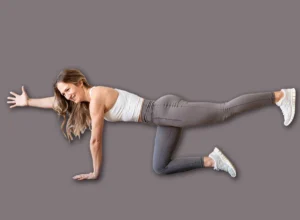
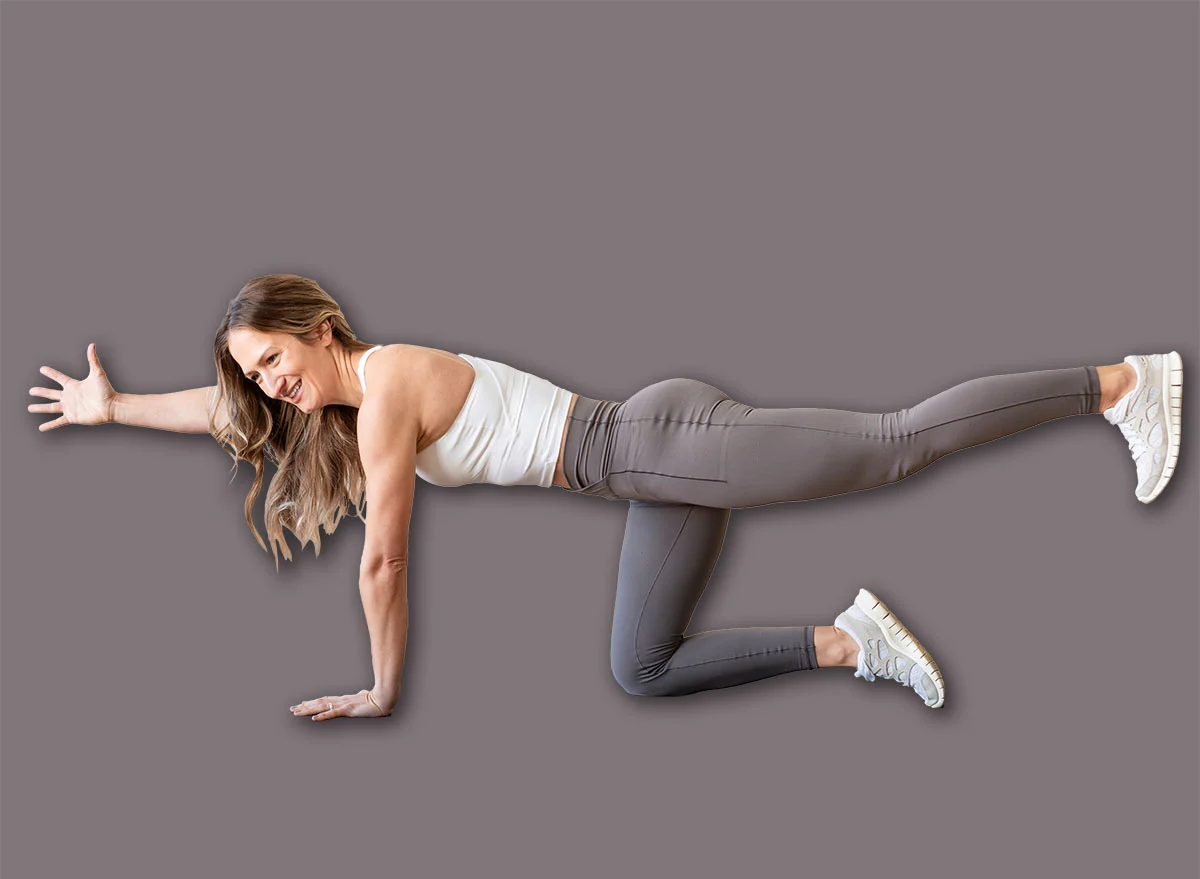
The Bird Dog is arguably the gold standard for spinal stabilization. It requires the simultaneous coordination of the upper and lower body while forcing the deep core muscles to prevent the spine from sagging or rotating.
How to perform it:
- Starting Position: Begin on your hands and knees in a tabletop position. Ensure your wrists are directly under your shoulders and your knees are under your hips.
- The Movement: Simultaneously extend your right arm forward and your left leg backward. Keep them level with your torso.
- The Focus: Imagine you are balancing a glass of water on your lower back. Your hips should remain perfectly level; do not let your back arch or twist.
- The Hold: Hold for 3–5 seconds, then slowly return to the starting position. Switch sides.
2. The Glute Bridge: Unloading the Lumbar
Lower back pain is often a symptom of "gluteal amnesia"—where the glutes fail to activate, leaving the lower back to pick up the slack. The Glute Bridge forces the glutes to take the lead.
How to perform it:
- Starting Position: Lie flat on your back with your knees bent and feet flat on the floor, hip-width apart.
- The Movement: Engage your core, press through your heels, and lift your hips toward the ceiling.
- The Focus: Squeeze your glutes at the top of the movement. Avoid arching your back; the lift should come from the hips, not the spine.
- The Hold: Pause at the peak for two seconds, then slowly lower your spine to the floor one vertebra at a time.
3. The Dead Bug: Protecting the Trunk
The Dead Bug is a classic clinical exercise for a reason. It is one of the few movements that challenges your core to stay braced while your limbs are in motion, mimicking the way we move throughout our day.
How to perform it:
- Starting Position: Lie on your back with your arms extended toward the ceiling and your legs in a tabletop position (knees bent at 90 degrees).
- The Movement: Press your lower back firmly into the floor. This is crucial. Slowly lower your right arm behind your head while simultaneously extending your left leg straight out.
- The Focus: If your lower back arches off the floor at any point, your core has failed to engage. Reset and shorten your range of motion until you can maintain contact with the floor.
- The Hold: Return to center and alternate to the opposite arm and leg.
4. Prone Back Extensions: Targeted Spinal Strength
Often overlooked, these extensions specifically target the erector spinae—the muscles that run along the length of your spine.
How to perform it:
- Starting Position: Lie face down on the floor with your legs straight and your hands tucked under your forehead.
- The Movement: Gently lift your head, chest, and shoulders off the floor using only your back muscles.
- The Focus: Keep your gaze fixed on the floor to maintain a neutral neck position. You only need to lift a few inches; this is not a contest of height.
- The Hold: Hold for a second at the top, then lower yourself with control.
Implications for Longevity
The implications of adopting this routine go far beyond the immediate relief of pain. By integrating these four movements into your daily or bi-weekly routine, you are essentially "future-proofing" your musculoskeletal system.
As we age, the cumulative effect of gravity and sedentary habits can lead to postural collapse. When the core is weak, the spine bears the brunt of the pressure. By strengthening the stabilizers, you redistribute that force, allowing your joints and discs to function as they were intended.
Expert Consensus and Future Outlook
Medical professionals and physical therapists alike often cite "active recovery" as the most successful pathway to managing chronic back issues. The consensus is clear: avoidance of movement breeds more stiffness. The body craves controlled, purposeful activity.
If you are experiencing acute, sharp, or radiating pain, always consult with a physician or a physical therapist before starting a new exercise regimen. However, for those dealing with the general "wear and tear" of life after 60, these exercises represent a low-risk, high-reward investment in your autonomy.
In conclusion, your back does not have to be a source of constant frustration. By committing to these four movements, you are choosing to prioritize your mobility and long-term health. Start slow, maintain consistency, and remember that every small, controlled movement is a step toward a stronger, more secure foundation.
Disclaimer: This article is for informational purposes only and does not constitute medical advice. Always consult with a healthcare professional before beginning any new exercise program, especially if you have a history of spinal injury or chronic health conditions.