









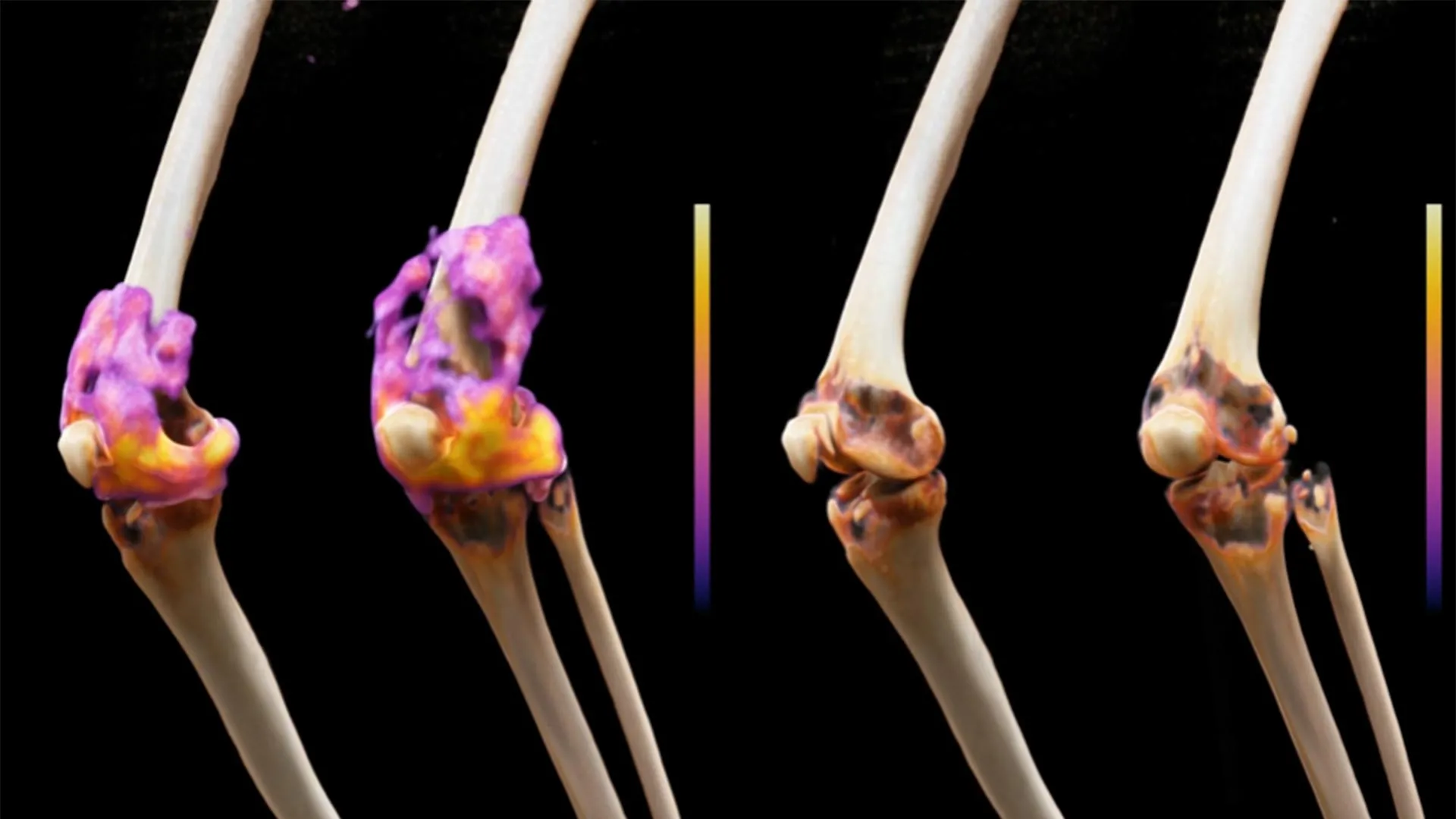
In the landscape of modern medicine, few breakthroughs have been as transformative as CAR T-cell therapy. Originally conceptualized as a "living drug" to wage war on hematological cancers, this sophisticated immunotherapy is now poised to cross a major scientific frontier. Researchers at Charité – Universitätsmedizin Berlin have reported on a pioneering clinical trial that suggests this personalized treatment may be capable of something previously considered near-impossible: resetting the immune system to cure severe, treatment-refractory rheumatoid arthritis.
The study, published in the prestigious journal Nature Medicine, represents a seismic shift in how we approach autoimmune diseases. By re-engineering a patient’s own immune cells to target the architects of chronic inflammation, scientists are moving away from the paradigm of lifelong symptom management toward the prospect of a lasting, drug-free remission.
The Challenge of Rheumatoid Arthritis: A System Out of Control
Rheumatoid arthritis (RA) is far more than simple joint pain. It is a complex, chronic autoimmune disorder characterized by a systemic failure in self-recognition. In a healthy body, the immune system acts as a protective shield; in RA, it pivots to become an aggressor, mistakenly identifying joint tissue as a foreign threat. This constant state of biological "friendly fire" triggers persistent inflammation, leading to debilitating swelling, irreversible cartilage destruction, and the erosion of bone.
For decades, the medical community has relied on a tiered approach to treatment: starting with non-steroidal anti-inflammatory drugs (NSAIDs) and graduating to disease-modifying antirheumatic drugs (DMARDs) and biologic agents. While these therapies have undoubtedly improved quality of life for millions, they suffer from a fundamental limitation: they are suppressive, not curative.
The Problem of "Refractory" Disease
A significant subset of patients—those with treatment-refractory RA—find themselves at a dead end. Their immune systems remain impervious to even the most sophisticated biologics. Patients in this group live in a cycle of pain, fatigue, and limited mobility, often cycling through eight or more different medications without finding lasting relief.
The culprit, according to Prof. David Simon and Prof. Gerhard Krönke of Charité’s Department of Rheumatology and Clinical Immunology, lies in the "memory" of the immune system. Specifically, disease-driving B cells—specialized memory cells that survive in lymph nodes, bone marrow, and joint tissue—act as an internal reservoir of chaos. These cells continue to produce harmful autoantibodies that repeatedly reignite inflammation, effectively "learning" how to sustain the disease despite conventional interventions.
A New Frontier: The Chronology of the COMPARE Trial
The COMPARE study was born from a radical hypothesis: if CAR T-cell therapy can hunt down and destroy cancer cells by identifying their unique surface markers, could it be programmed to do the same for the aberrant B cells driving RA?
Phase 1: The Pilot Study
The first phase of the trial enrolled six participants—three men and three women, ranging from 31 to 69 years old. All six had exhausted multiple therapeutic avenues, failing as many as eight targeted or biologic therapies. The researchers needed to determine if the engineered cells could safely navigate the human body, reach the "hidden" reservoirs of B cells in the joints, and reset the immune system without triggering a lethal overreaction.
The Mechanism of Action
The process is a masterpiece of precision bioengineering:
- Collection: T cells are harvested from the patient’s own bloodstream.
- Reprogramming: In the lab, these T cells are genetically modified to express a chimeric antigen receptor (CAR). This receptor is designed to lock onto CD19, a surface protein—or "name tag"—found on virtually all B cells, including the pathological ones.
- Pre-conditioning: Patients receive a short, mild course of chemotherapy to clear a biological "niche," ensuring the newly modified T cells have the space and resources to proliferate.
- The Infusion: The engineered cells are reintroduced into the patient’s body via a single intravenous infusion.
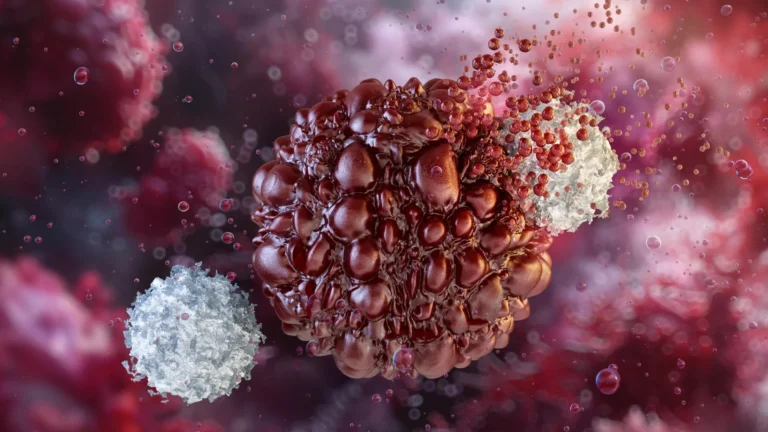
Once inside, the CAR T cells act as "seeker" missiles, hunting down every cell displaying the CD19 marker. By temporarily purging the body of these B cells, the treatment clears the field, allowing the immune system to eventually rebuild itself from a "blank slate"—hopefully devoid of the rogue memory cells that fueled the arthritis.
Supporting Data: Signs of a Biological Reset
The results, as reported in the initial phase of the trial, have been nothing short of extraordinary.
- Substantial Clinical Improvement: Disease activity scores dropped significantly in every single participant.
- The Power of Remission: Most notably, by the end of the observation period, three of the six patients were in sustained remission and required no further rheumatoid arthritis medication.
- Deep Tissue Clearance: The research confirmed that the modified cells successfully penetrated deep into "hard-to-reach" areas like bone marrow and synovial joint tissue, successfully neutralizing the reservoirs of disease.
- Preserved Memory: Perhaps most reassuringly, the treatment did not wipe out all immunity. Patients retained their protective antibody memory—such as those against chickenpox and tetanus—suggesting that the therapy specifically targets the pathological B-cell populations while leaving essential immunological defenses intact.
As Prof. Krönke noted, "This is particularly remarkable given that none of the established treatments had previously been able to relieve their symptoms adequately."
Official Responses and Safety Considerations
Despite the excitement, the team at Charité remains cautious, emphasizing that the therapy is currently experimental. Dr. Marie Luise Hütter-Krönke, Medical Director of the Hematology Early Clinical Trial Unit, noted that while the safety profile was favorable, vigilance is mandatory.
"After the participants received the CD19 CAR T cells, we observed only a temporary, mild-to-moderate cytokine release syndrome (CRS) in all participants," Dr. Hütter-Krönke reported. CRS, an inflammatory response that can be severe in cancer patients, was manageable in this cohort. Furthermore, there were no instances of the severe neurological complications or opportunistic infections that sometimes plague high-dose chemotherapy or other intensive immunotherapies.
However, the medical community acknowledges the variability in response. While three patients achieved drug-free remission, others saw a return of symptoms after an initial improvement. This underscores that while we have opened the door to a potential cure, we have not yet mastered the precision required for universal efficacy.
Implications: A Shift in the Medical Paradigm
The implications of the COMPARE trial extend far beyond the treatment of rheumatoid arthritis. If a single infusion can reset the immune system in a way that provides long-term relief, the economic and human costs of chronic autoimmune management could be revolutionized.
The Path Forward
The next chapter of this research involves a larger cohort of ten additional patients. The team plans to conduct a head-to-head comparison between CAR T-cell therapy and currently approved B-cell-depleting drugs. This will be the true test: proving that CAR T cells offer a unique advantage in durability and depth of clearance that standard pharmacology cannot match.
If these findings are validated in larger, multi-center trials, we may be witnessing the birth of "curative" rheumatology. For the millions of people worldwide who live in the shadow of chronic pain, this is not just a scientific development—it is a beacon of hope.
Final Thoughts
The journey from cancer wards to autoimmune clinics is a testament to the versatility of genomic medicine. By repurposing the most powerful tools in our oncology arsenal, we are learning that the immune system is not a fixed, immutable entity, but one that can be directed, taught, and—under the right conditions—reset. While the road ahead requires rigorous testing and long-term observation, the Charité study has fundamentally changed the conversation about what is possible in the treatment of autoimmune disease. We are no longer just managing the fire; we are beginning to understand how to stop it at the source.