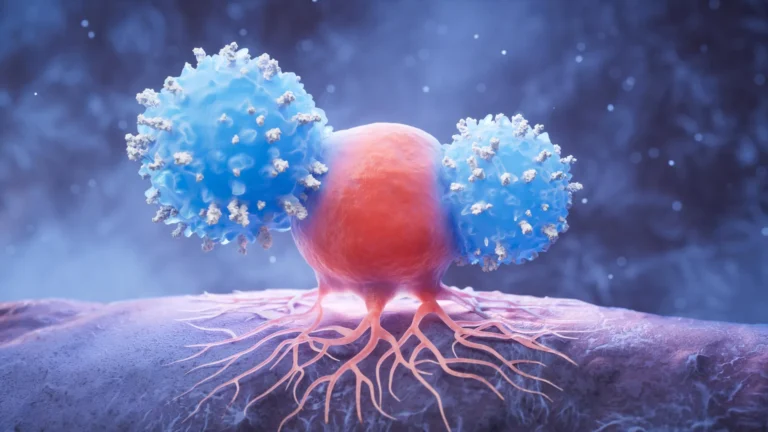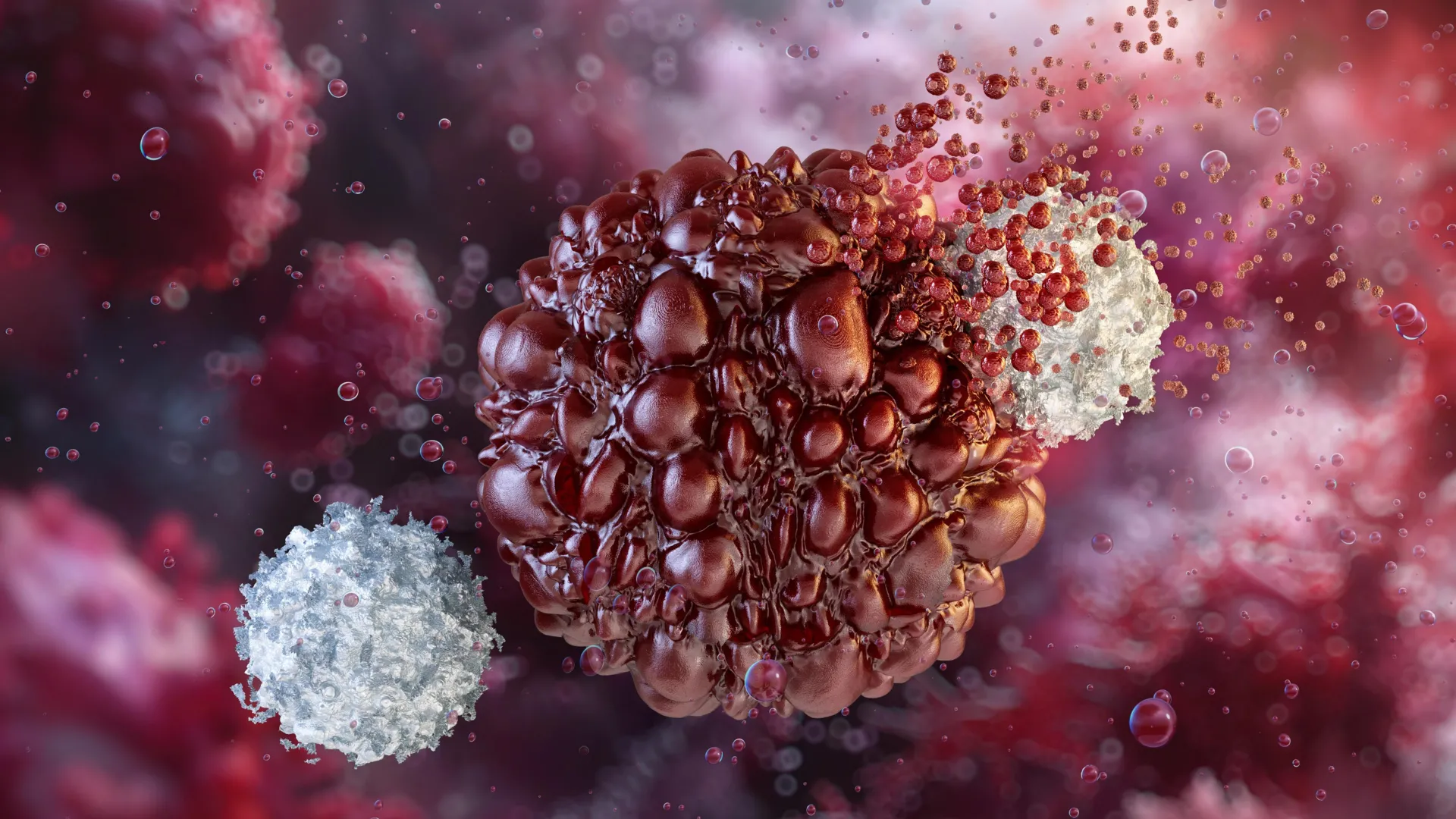
In the complex battlefield of the human body, the immune system is a master of surveillance, constantly scanning for foreign invaders or malfunctioning cells. For decades, cancer immunotherapy has sought to harness this power, training the body’s own white blood cells to recognize and dismantle tumors. However, many patients remain resistant to these life-saving treatments, leaving scientists to search for the "missing link" that determines why some tumors succumb to therapy while others thrive.
A groundbreaking study led by researchers at Nagoya University, published in the journal Nature Communications, has uncovered an unexpected protagonist in this struggle: an evolutionarily ancient immune molecule called complement C3. The findings reveal that when it comes to fighting cancer, location is everything. While C3 is traditionally known for its role in the bloodstream, the research demonstrates that it is the C3 produced locally within the tumor microenvironment—rather than the C3 circulating through the blood—that serves as the true gatekeeper of successful immunotherapy.
An Ancient Defense Mechanism Reimagined
To understand the significance of this discovery, one must look back millions of years. Complement C3 is a protein so fundamental to biological defense that it predates the evolution of complex vertebrates, appearing in simple, primitive organisms like sea sponges and jellyfish. For these creatures, C3 is a primary line of defense against infection.
In humans, the liver serves as the primary factory for C3, pumping it into the bloodstream to circulate throughout the body. Once there, it plays a vital role in the complement system, a cascade of proteins that helps clear pathogens and trigger inflammatory responses. Because of this well-documented systemic role, most medical research has focused on the C3 traveling through our veins.
However, the team at Nagoya University, led by Assistant Professor Yuki Miyai of the Graduate School of Medicine, turned their attention to a neglected corner of tumor biology: the "cancer-associated fibroblasts." These are normal cells that populate the scaffolding surrounding a tumor. Miyai’s team suspected that these fibroblasts were doing more than just providing structure—they were secretly producing their own supply of C3.
Chronology of a Scientific Breakthrough
The path to this discovery was paved through a rigorous, multi-stage investigation designed to isolate the effects of C3 from different sources.
Phase 1: The Mouse Model Experiments
The researchers first sought to determine whether circulating C3 and locally produced C3 functioned differently in the context of cancer treatment. To test this, they utilized sophisticated mouse models that allowed them to differentiate between systemic C3 (from the liver) and local C3 (from tumor-associated cells).
In a striking series of experiments, the team reduced liver-produced C3 by 90%. They found that when they administered anti-PD-1 antibodies—a standard immunotherapy drug—the treatment remained just as effective as it was in mice with normal systemic C3 levels. This suggested that the C3 flowing through the blood was essentially irrelevant to the success of the immunotherapy.
Phase 2: Disrupting Local Production
The research took a pivotal turn when the team inhibited the fibroblasts within the tumors from producing C3. Even though the overall reduction in circulating C3 was negligible—only about 9%—the immunotherapy drug suddenly lost its potency.
"What determined the efficacy of the immunotherapy treatment was not the C3 in the blood, but the local C3 produced at the tumor site," Miyai explained. The team discovered that when this local C3 breaks down, it creates a fragment known as iC3b. This fragment acts as a sophisticated sentry, effectively barring immunosuppressive myeloid cells from infiltrating the tumor. By preventing these "bad actors" from entering the tumor microenvironment, the local C3 keeps the area clear for the body’s cytotoxic T-cells to identify and attack the malignancy.
Phase 3: Clinical Validation in Lung Cancer
The final piece of the puzzle involved analyzing tumor samples from human patients with lung cancer. The researchers examined the tissue surrounding the cancer cells and found a direct correlation between local C3 levels and patient survival.
The data was stark: patients with high levels of local C3 in their tumor microenvironment were significantly more likely to respond to treatment. In fact, approximately half of the high-C3 patients showed positive responses, while zero patients with low local C3 levels responded to the therapy. Again, the systemic levels of C3 in the blood showed no relationship to whether the patients recovered.
Supporting Data: Why "Local" Trumps "Systemic"
The data gathered by the Nagoya University team highlights a fundamental paradigm shift in how we perceive the immune system. For years, clinicians have monitored systemic biomarkers, assuming that what happens in the blood reflects what happens in the tissue. This study suggests that, at least in the case of C3, the blood is a poor proxy for the micro-environment of a tumor.
The mechanism by which iC3b stops myeloid cells is a masterclass in biological precision. Myeloid-derived suppressor cells (MDSCs) are notorious for creating a "shield" around tumors, secreting chemicals that exhaust T-cells and dampen the immune response. By producing iC3b locally, the tumor-associated fibroblasts essentially sabotage this defensive shield. When the fibroblast production of C3 is absent, the tumor is allowed to recruit these suppressor cells, successfully evading the immune system even when immunotherapy drugs are introduced.
Official Responses and Expert Perspective
The medical community has reacted to the findings with significant interest, noting that the study opens up entirely new avenues for "precision oncology." By identifying which patients possess the necessary machinery to produce C3 locally, doctors may soon be able to predict the efficacy of immunotherapy before a single dose is administered.
"We are looking at a potential diagnostic tool," says Miyai. "If we can test a biopsy for local C3 levels, we can determine whether a patient is a prime candidate for standard immunotherapy or if they require a different approach."
Furthermore, the team successfully tested a synthetic drug designed to mimic the inhibitory effect of iC3b in mice. In cases where tumors had previously been resistant to immunotherapy, the administration of this mimic "re-sensitized" the tumors, allowing the immune system to breach the defenses and significantly extending the survival of the test subjects. This provides a clear, actionable roadmap for future drug development.
Implications for the Future of Cancer Treatment
The implications of this research extend far beyond lung cancer. The study suggests that the "local vs. systemic" divide may be a widespread phenomenon that affects many types of solid tumors.
1. New Therapeutic Targets
If a tumor lacks the ability to produce enough C3, researchers are now exploring ways to artificially supplement that production. By inducing the tumor microenvironment to produce more C3—or by introducing therapeutic agents that mimic the iC3b fragment—clinicians might be able to turn "cold" (immune-resistant) tumors into "hot" (immune-responsive) ones.
2. Personalized Medicine
The findings provide a clear criterion for patient stratification. In the future, genomic and proteomic testing of tumor biopsies will likely include an assessment of fibroblast-derived immune molecules. This would spare patients the side effects of ineffective treatments and allow them to move more quickly toward therapies that are tailored to their specific biological landscape.
3. Broadening the Scope
Beyond cancer, the researchers believe that the localized activity of C3 could hold keys to understanding other biological processes. The same mechanism of recruiting or blocking specific cells is central to wound healing and the regulation of chronic inflammation. Understanding how local tissues "communicate" through ancient proteins like C3 could revolutionize treatments for autoimmune diseases, chronic tissue damage, and even regenerative medicine.
Conclusion: A New Era of Immunotherapy
The research from Nagoya University serves as a profound reminder that the most sophisticated solutions to modern medical challenges are often hidden within the most ancient biological processes. By shifting the focus from the systemic to the local, the team has illuminated a critical checkpoint in the immune system’s fight against cancer.
While the journey from mouse models to human clinical trials is long and complex, the path is now much clearer. The discovery that C3 acts as a local guardian of the tumor microenvironment provides not only a new way to identify who will benefit from current treatments but also a blueprint for developing the next generation of immunotherapy drugs. As researchers continue to refine these findings, the hope is that the "ancient guardian" within our tissues will become a powerful ally in the fight to eradicate cancer once and for all.