











In a landmark study that sheds light on the often-overlooked intersections of physical suffering and cardiovascular health, researchers have identified a significant, long-term correlation between chronic pain and the development of high blood pressure. The findings, published in the American Heart Association’s journal Hypertension, suggest that the severity and distribution of pain are not merely isolated physical experiences, but potential precursors to one of the world’s most dangerous medical conditions.
As nearly half of the adult population in the United States currently grapples with hypertension—the leading cause of death globally—this discovery offers a critical new lens through which physicians can view patient care. By recognizing that chronic pain acts as a systemic stressor, medical professionals may be able to intervene earlier, potentially mitigating the risk of heart attack, stroke, and organ failure.
The Nexus of Pain and Cardiovascular Health
For decades, clinicians have understood that acute pain triggers an immediate, transient spike in blood pressure. If you touch a hot stove or suffer a sudden injury, your body’s “fight-or-flight” response kicks in, causing the heart to beat faster and blood vessels to constrict. However, the mechanism behind chronic pain—pain that persists for months or years—has remained a complex puzzle.
The new research, led by Dr. Jill Pell, M.D., C.B.E., of the University of Glasgow, analyzed health data from more than 200,000 adults. The results provide compelling evidence that chronic pain is not just a symptom to be managed, but a clinical marker that should trigger cardiovascular screening. The study indicates that the more widespread a patient’s pain, the higher their risk of developing hypertension, establishing a clear dose-response relationship between physical distress and vascular damage.
Chronology of a Medical Discovery
The journey toward these findings involved a longitudinal analysis spanning over 13 years. The researchers utilized a massive cohort to track the progression of health outcomes, creating a clear timeline of how physical symptoms evolve into cardiovascular disease:
- Baseline Assessment: Participants were evaluated for chronic pain (defined as pain lasting at least three months), location of pain, and indicators of depression and inflammation.
- The 13.5-Year Follow-Up: Researchers monitored these individuals over an average period of 13.5 years, tracking the clinical diagnosis of high blood pressure.
- Correlation Mapping: Statistical models were applied to determine the influence of pain, depression, and inflammatory markers (such as C-reactive protein) on the subsequent onset of hypertension.
The data revealed that individuals suffering from widespread chronic pain were significantly more likely to receive a high blood pressure diagnosis than those reporting localized pain, temporary discomfort, or no pain at all.
The Mediating Role of Depression and Inflammation
Perhaps the most significant aspect of this research is the identification of "mediators"—the biological and psychological pathways through which pain elevates blood pressure. Dr. Pell highlights that the relationship is not always direct.
"Part of the explanation for this finding was that having chronic pain made people more likely to have depression, and then having depression made people more likely to develop high blood pressure," Dr. Pell explained. This "pathway effect" suggests that the psychological burden of living with constant pain triggers physiological changes, such as dysregulation of the autonomic nervous system, which in turn drives up blood pressure.
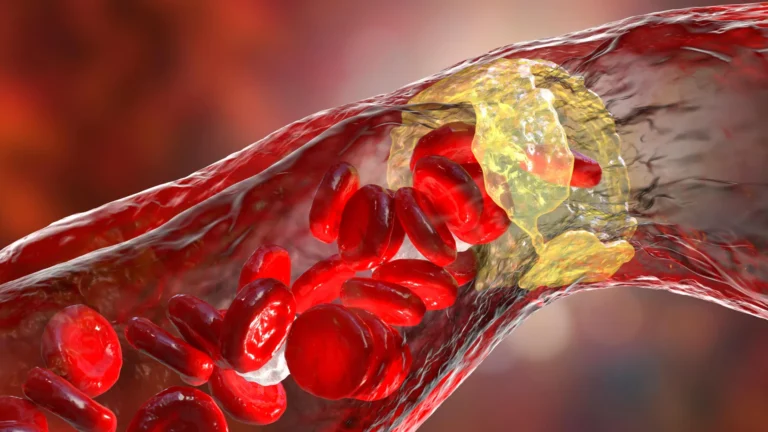
Furthermore, the study confirms that inflammation—the body’s immune response to injury—serves as a primary driver. Chronic pain often involves ongoing inflammation, which can damage the endothelium (the lining of the blood vessels). Over time, this damage reduces the vessel’s ability to dilate, leading to chronic hypertension.
Supporting Data: Understanding the Scope of the Problem
High blood pressure, or hypertension, is defined by the 2025 American Heart Association/American College of Cardiology guidelines as readings of 130/80 mm Hg or higher. Because it often lacks overt symptoms, it is frequently referred to as the “silent killer.”
The study’s data suggests that the "pain profile" of a patient is a vital sign that is currently underutilized:
- Widespread Pain: Patients reporting pain across multiple areas of the body showed the highest correlation with hypertension.
- Duration: Chronic musculoskeletal pain—the most common form of long-term pain—was a consistent predictor of later cardiovascular issues.
- The Depression Factor: When researchers controlled for depression, the link between pain and hypertension remained, though it was partially attenuated, proving that while depression is a major mediator, pain itself exerts an independent, damaging effect on the cardiovascular system.
Official Perspectives: From Theory to Clinical Practice
The medical community has responded to these findings with a call for more holistic patient management. Dr. Daniel W. Jones, M.D., chair of the 2025 AHA/ACC High Blood Pressure Guideline, emphasized the need for a shift in how we treat pain.
"It is well known that experiencing pain can raise blood pressure in the short term," Dr. Jones noted. "However, we have known less about how chronic pain affects blood pressure long-term. This study adds to that understanding, finding a correlation between the number of chronic pain sites and that the association may be mediated by inflammation and depression."
Dr. Jones also issued a crucial warning regarding the intersection of pain management and blood pressure: the use of Nonsteroidal Anti-Inflammatory Drugs (NSAIDs). Common over-the-counter medications like ibuprofen, frequently used to treat the very pain described in the study, can themselves increase blood pressure. "Chronic pain needs to be managed within the context of the patients’ blood pressure, especially in consideration of the use of pain medication that may adversely affect blood pressure," he added.
Implications for Healthcare Policy and Patient Care
The implications of this study are far-reaching, necessitating a change in both clinical protocols and public health policy:
1. Integrated Care Models
Doctors should no longer treat pain as a separate entity from cardiovascular health. For patients presenting with chronic back, neck, or widespread joint pain, blood pressure monitoring should be a standard component of the consultation.
2. Screening for Depression
Because depression acts as a critical link between pain and hypertension, mental health screening should be integrated into pain management clinics. Treating the psychological symptoms of chronic pain may serve as a preventative measure for heart disease.
3. Careful Medication Management
Providers must be increasingly cautious when prescribing long-term NSAIDs to patients already at risk for hypertension. Alternative pain management strategies—such as physical therapy, mindfulness-based stress reduction, and non-pharmacological interventions—should be prioritized.
4. Future Research
While this study provides a foundation, Dr. Jones and his colleagues advocate for randomized controlled trials to determine if specific pain management protocols can actively lower blood pressure or prevent the onset of hypertension.
Limitations and Future Directions
While the study’s sample size of 200,000 is robust, the researchers acknowledge certain limitations. The participant population was primarily middle-aged or older adults of British origin, meaning the findings may not be universally generalizable to younger populations or different racial and ethnic groups.
Furthermore, because the study relied on self-reported pain levels and a single assessment, there is a need for more frequent, objective monitoring of pain intensity. Future studies should focus on diverse populations and utilize digital health technologies to track blood pressure and pain fluctuations in real-time, providing a more granular view of how these two conditions interact in daily life.
Conclusion: A Call for Unified Treatment
The research published today marks a turning point in our understanding of chronic pain. By viewing pain not as an isolated discomfort, but as a systemic condition that interacts with mental health and cardiovascular function, we can move toward a more comprehensive model of care.
For the millions of individuals currently suffering from chronic pain, the message is clear: your physical pain is a signal that your body is under stress, and that stress may be impacting your heart. By working with healthcare providers to manage pain safely, prioritize mental health, and monitor blood pressure, patients can take proactive steps to protect their long-term cardiovascular health. As we look to the future, the integration of pain management and heart health will undoubtedly be a cornerstone of preventative medicine.