










In a landmark development for cancer immunotherapy, the U.S. Food and Drug Administration (FDA) has granted accelerated approval to Tudriqev (vusolimogene oderparepvec-wtpg), formerly known as RP1. This milestone, announced on August 6, 2026, marks the first time in over a decade that the FDA has sanctioned a new oncolytic virus therapy. This regulatory breakthrough offers a vital new lifeline for adult patients grappling with unresectable, advanced cutaneous melanoma—particularly those who have seen their disease progress following standard PD-1-blocking treatments.
The Paradigm Shift: Engineering Viruses to Fight Cancer
Historically, viruses have been categorized as biological adversaries, associated with infection and morbidity. However, the field of oncolytic virus therapy has fundamentally inverted this relationship. By leveraging sophisticated genetic engineering, scientists are transforming naturally occurring, often benign viruses into precision instruments capable of dismantling malignant tumors.
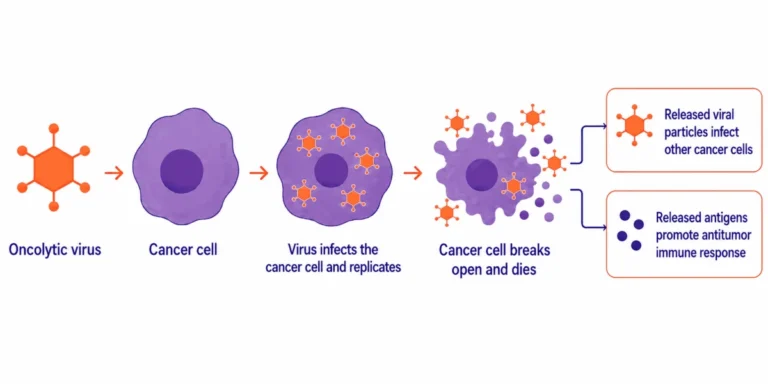
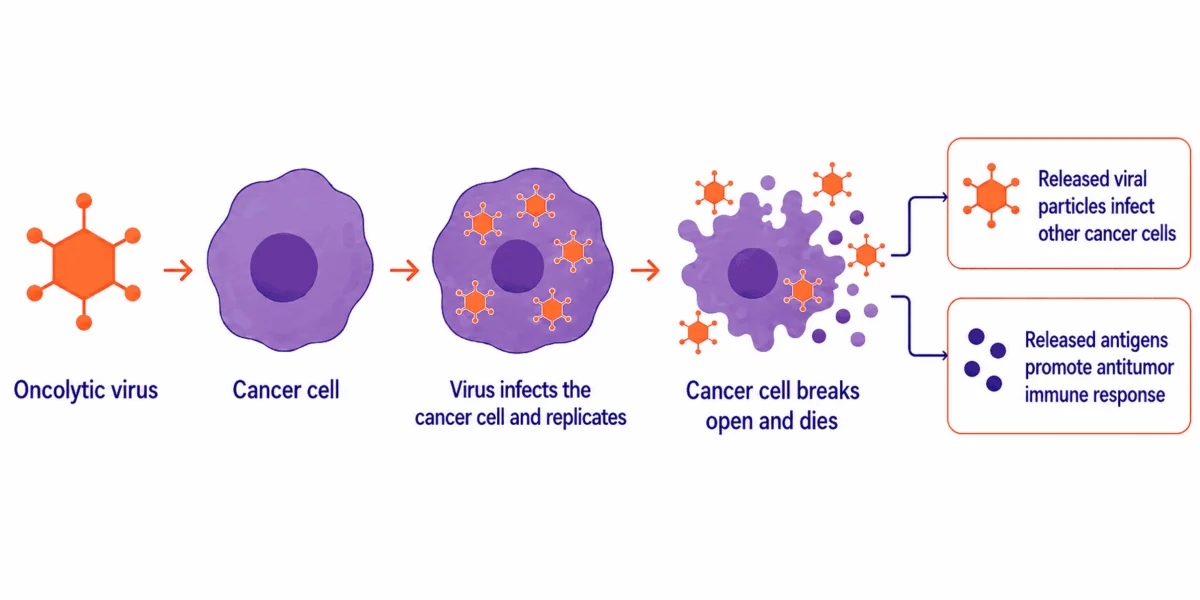
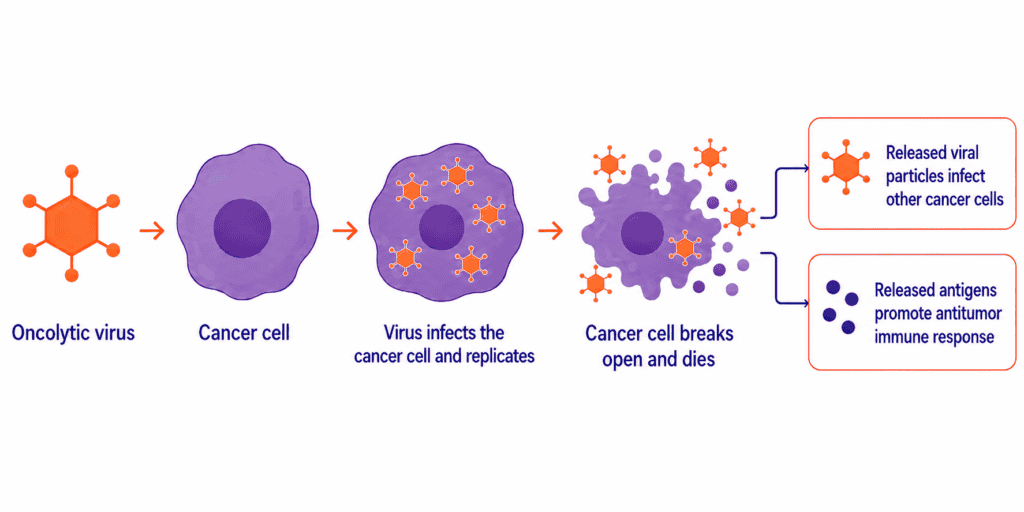
At its core, an oncolytic virus functions through a "dual-action" mechanism. First, the virus selectively enters a cancer cell, replicating itself until the cell membrane ruptures—a process known as cell lysis. As the cancer cell disintegrates, it releases viral progeny that seek out neighboring malignant cells, creating a cascading cycle of tumor destruction.
Second, and perhaps more importantly, this process acts as an "in-situ vaccine." When the cancer cell dies, it releases tumor-associated antigens and inflammatory signaling proteins into the surrounding microenvironment. This acts as a biological "red flag," signaling the immune system to recognize the tumor as a foreign threat. Some engineered viruses are further modified to produce immune-stimulating molecules, effectively turning a "cold" tumor—one that the immune system previously ignored—into a "hot" one that is highly susceptible to immune attack.
Chronology of a Medical Evolution
The journey toward this approval spans more than a century of medical inquiry and iterative experimentation.
- 1904: The first recorded observation of tumor regression occurred in a patient following a systemic viral infection, providing the initial spark for viral oncology.
- 1950s–1960s: Researchers began systematic testing of naturally occurring viruses in cancer patients. These early trials faced significant hurdles, primarily due to safety concerns and the inability to precisely target cancer cells without damaging healthy, non-malignant tissue.
- 1990s: The advent of modern genetic engineering revolutionized the field. Scientists gained the ability to "edit" viral genomes, enhancing their specificity for tumor cells while minimizing off-target toxicity.
- 2015: A watershed moment occurred when the FDA approved T-VEC (talimogene laherparepvec), the first oncolytic virus therapy, for use in specific melanoma patients.
- August 2026: The approval of Tudriqev serves as a major expansion of this therapeutic category, which remains highly specialized; prior to this, oncolytic viruses represented only a tiny fraction of the 156 FDA-approved cancer immunotherapies tracked by the Cancer Research Institute (CRI).
Supporting Data: The IGNYTE Clinical Trial
The approval of Tudriqev is anchored in the findings of the IGNYTE clinical trial, a multicenter study designed to evaluate the efficacy of the therapy when administered in combination with the immune checkpoint inhibitor nivolumab (Opdivo®).
The trial enrolled 140 patients, all of whom presented with advanced melanoma that had become resistant to previous PD-1 inhibitor therapy. The primary efficacy analysis focused on a cohort of 91 patients who possessed at least one tumor that was not directly injected with the virus, allowing researchers to measure the "abscopal effect"—the ability of the treatment to trigger an immune response that attacks tumors outside the direct injection site.
The results were statistically significant: 24.2% of these patients demonstrated an objective response, with their tumors shrinking by a predefined clinical threshold. Perhaps most promising was the durability of these responses, which lasted for a median of 14.1 months. This sustained efficacy suggests that the combination of Tudriqev and nivolumab may effectively "re-prime" the immune system to recognize and fight cancer even after it has become resistant to first-line therapies.
Understanding the "Accelerated Approval" Pathway
Tudriqev has been granted "accelerated approval," a strategic FDA regulatory pathway intended to expedite patient access to promising treatments for serious conditions where there is an unmet medical need. This pathway allows for approval based on surrogate endpoints—in this case, objective response rates—that are reasonably likely to predict clinical benefit.
However, this approval comes with a mandate: the manufacturer, Replimune, is required to conduct post-marketing confirmatory trials. These studies will aim to verify the long-term clinical benefits, such as overall survival and progression-free survival. The FDA’s continued endorsement of the drug will be contingent upon the success of these ongoing investigations.
Official Guidance and Safety Profiles
The clinical management of patients undergoing this combination therapy requires careful coordination between oncologists and the patient. While Tudriqev offers a novel approach, it is not without risks.
Common side effects observed during the IGNYTE trial include:
- Constitutional symptoms: Fatigue, fever, and chills.
- Gastrointestinal distress: Nausea.
- Local reactions: Inflammation or irritation at the injection site.
- Systemic immune effects: Flu-like symptoms resulting from the activation of the immune system.
Furthermore, because the therapy utilizes a genetically modified herpes simplex virus (HSV), the FDA has issued warnings regarding the potential for secondary herpes infection and the risk of accidental exposure to the virus. Patients are encouraged to engage in detailed discussions with their healthcare providers regarding the specific risks and benefits tailored to their unique medical history.
Broader Implications for Oncology
The approval of Tudriqev is a testament to the maturation of immunotherapy as a field. By combining the direct oncolytic properties of a virus with the systemic "brake-releasing" capabilities of checkpoint inhibitors like nivolumab, researchers are addressing the primary challenge of cancer treatment: immune evasion.
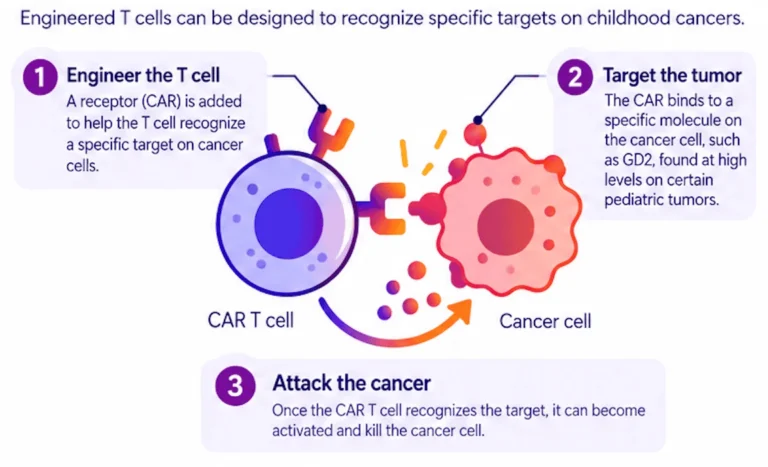
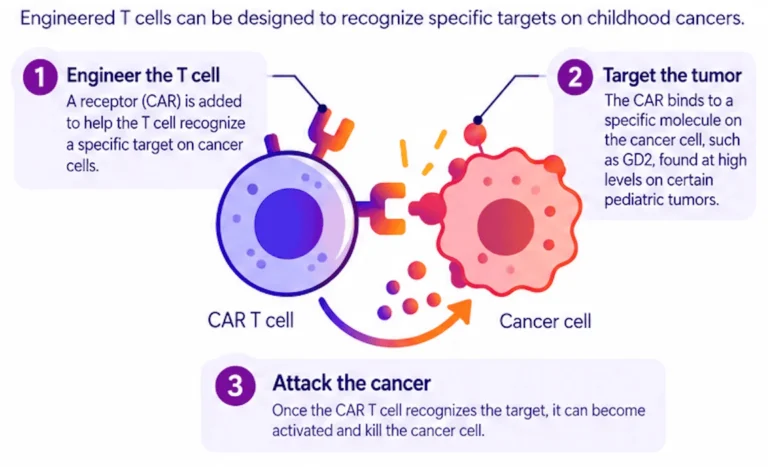
For the vast majority of cancer types, oncolytic viruses remain firmly in the experimental stage. However, the success of Tudriqev serves as a "proof of concept" that encourages further investment and innovation. Current research, including studies within the Cancer Research Institute’s global network, is investigating how oncolytic viruses might be paired with other emerging therapies, such as chimeric antigen receptor (CAR) T-cell therapy and bispecific antibodies.
While current FDA-approved oncolytic therapies remain limited to melanoma, the landscape is rapidly shifting. Hundreds of clinical trials are currently underway, investigating these viral vectors across dozens of different malignancies, including solid tumors in the lung, breast, and liver.
The Future: Turning the Tide
As we look toward the future, the integration of oncolytic viruses into standard oncology care represents a shift toward more biological, adaptive treatment regimens. The ability to manipulate the tumor microenvironment—not just by attacking the cancer directly, but by reprogramming the patient’s own immune system to do the work—is the "holy grail" of modern cancer research.
For patients and their families, the approval of Tudriqev is more than a regulatory entry; it is a signal that the scientific community is making steady, deliberate progress in turning the tide against resistant cancers. As ongoing research continues to refine these therapies, the hope is that they will eventually provide a robust, durable, and less toxic alternative to traditional systemic chemotherapy.
For those interested in learning more about the mechanics of these treatments, the Cancer Research Institute’s webinar, "Infecting Cancer: How Viruses Are Turning the Tide Against Tumors," featuring Dr. John Bell of the Ottawa Hospital Research Institute, provides an in-depth exploration of the field. As clinical trials continue to expand, the promise of oncolytic viruses suggests that the viruses of yesterday may indeed be the cures of tomorrow.
Disclaimer: This article is for informational purposes only and does not constitute medical advice. Patients should always consult with their healthcare team regarding treatment options and clinical trial eligibility.