









The biotechnology sector is currently navigating a period of profound recalibration. As the industry moves past the speculative fervor of the post-pandemic era, investors, researchers, and pharmaceutical giants are narrowing their focus on high-impact modalities that offer both clinical durability and commercial viability. This week’s dispatch from The Readout highlights two of the most significant pillars of this transition: the aggressive clinical expansion of radiopharmaceuticals and the strategic pivot of mRNA technology, which is currently seeking a resurgence through the lens of oncology.
The Main Facts: A Shift Toward Precision and Persistence
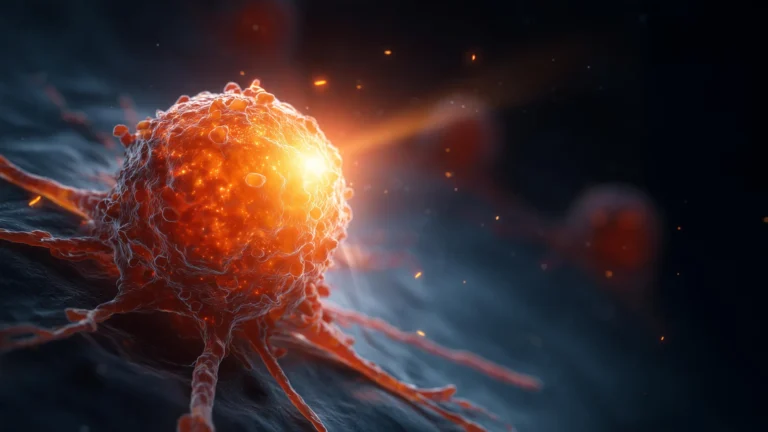
At the heart of the current biotech conversation is the delicate balance between innovation and risk management. Radiopharmaceutical therapy (RPT), often described as “seek-and-destroy” medicine, is entering a new phase. Researchers are no longer content with incremental improvements; they are pushing the boundaries of dosing regimens to maximize therapeutic windows while carefully managing the inherent risks of radiation exposure.
Simultaneously, the mRNA platform—once hailed as the singular savior of global health during the COVID-19 pandemic—faces a branding challenge. Despite its proven efficacy in infectious disease, the technology is battling a decline in public and investor enthusiasm. To rehabilitate its reputation, industry leaders are pivoting toward cancer vaccines, aiming to leverage the immune-stimulating properties of mRNA to combat solid tumors. This shift represents a broader trend in the industry: moving away from the "platform-first" narrative and toward specific, high-value clinical applications.
Chronology: The Evolution of Biotech Priorities
To understand where the industry is headed, one must look at the trajectory of the last five years:
- 2020–2021: The mRNA Zenith. The rapid deployment of SARS-CoV-2 vaccines cemented mRNA as the most important medical breakthrough of the decade. The influx of capital allowed biotech firms to explore everything from rare genetic disorders to universal flu vaccines.
- 2022–2023: The Correction. As the pandemic subsided, the "post-COVID hangover" hit. Companies with over-leveraged pipelines saw their valuations plummet, and investors became increasingly skeptical of platforms that lacked near-term, tangible clinical success.
- 2024: The Radiopharma Boom. Large pharmaceutical companies, including Eli Lilly, Novartis, and AstraZeneca, began aggressive M&A activity in the radiopharma space, recognizing that the ability to deliver targeted radiation directly to tumors is a cornerstone of next-generation oncology.
- 2025: Strategic Consolidation. The current year marks a maturation point. We are seeing a "survival of the fittest" environment where companies are doubling down on "big-swing" clinical trials—such as the bolder dosing in RPT—to prove that their therapies can significantly outperform the standard of care.
Supporting Data: The Economics of High-Risk Innovation
The shift in capital allocation is supported by clear market signals. Radiopharmaceuticals have seen a surge in investment, with venture funding in the sector growing by nearly 40% year-over-year. The allure is simple: unlike traditional chemotherapy, which is systemic and toxic, RPT offers a level of precision that reduces collateral damage to healthy tissues.
However, the data also highlights a cautionary tale. In mRNA oncology, the transition from proof-of-concept to phase 3 trials has been fraught with complexity. Early-stage trials for personalized cancer vaccines have shown promise in reducing recurrence rates in melanoma and pancreatic cancer by upwards of 30–40%. Yet, the manufacturing logistics and the necessity for a truly personalized supply chain create an economic hurdle that the industry is still struggling to overcome.

The "bolder dosing" mentioned in current clinical research refers to increasing the radioactivity per dose to ensure total tumor ablation. While this carries a higher risk of off-target toxicity, the preclinical data suggests that the therapeutic index—the gap between effective dose and toxic dose—is widening as better targeting ligands (the molecules that guide the radiation to the tumor) are developed.
Official Responses and Industry Sentiment
The consensus among industry analysts and chief scientific officers is one of "cautious optimism."
"We are moving out of the era of ‘platform hype’ and into the era of ‘product performance,’" says a leading analyst in the space. "Radiopharmaceuticals are demonstrating that they can be a primary treatment modality, not just a last resort. For mRNA, the rehabilitation isn’t about the technology itself—it’s about demonstrating that it can tackle the complexity of the tumor microenvironment."
Regulatory bodies, including the FDA and the EMA, have signaled that they are prepared to work with firms on these new dosing strategies, provided that safety profiles remain within acceptable parameters. The message to the industry is clear: innovation is encouraged, but safety data must be robust, and clinical outcomes must be clinically meaningful, not just statistically significant.
Implications: What This Means for the Future of Medicine
The implications of these developments extend far beyond the biotech boardroom.
1. The Death of the "One-Size-Fits-All" Model
The rise of radiopharmaceuticals and personalized mRNA vaccines marks the final transition away from broad-spectrum therapies. We are entering an era of "molecular tailoring," where the specific genetic and surface marker profile of a patient’s tumor determines the exact chemistry of their treatment. This will require a massive transformation in healthcare infrastructure, particularly regarding the handling of radioactive materials and the speed of personalized mRNA manufacturing.

2. Market Consolidation
Expect the M&A wave to continue. Small, innovative firms that solve the "delivery" problem—how to get the payload to the right place at the right time—will be prime targets for Big Pharma. We are likely to see a landscape dominated by a few massive players who own the entire supply chain, from the isotopes required for RPT to the automated manufacturing facilities for mRNA.
3. Public Perception and Policy
The skepticism surrounding mRNA is a hurdle that cannot be solved by science alone. It requires transparent communication and a concerted effort from biotech leadership to distance the life-saving potential of cancer vaccines from the political polarization that hampered the COVID-19 vaccine rollout. If the industry fails to bridge this gap, they may face significant regulatory and public pushback, regardless of how effective these therapies prove to be.
4. Patient Outcomes
For the patient, the future is brighter, albeit more complex. The potential for curative treatments in previously terminal cancer diagnoses is the ultimate goal of these investments. If the industry successfully navigates the "bolder dosing" safety requirements, we could see a paradigm shift where metastatic cancer is treated as a manageable, chronic, or even curable condition rather than a death sentence.
Conclusion: The Road Ahead
As we look toward the remainder of the year and into the next, the biotech industry remains a high-stakes arena. The optimism surrounding radiopharmaceuticals is tempered by the necessity of safety and logistical mastery, while the mRNA sector must prove its worth in the grueling environment of oncology trials.
Investors, stakeholders, and patients alike must watch these trends with a discerning eye. The companies that succeed will be those that balance bold scientific ambition with operational discipline. The "Readout" of the current landscape is clear: the industry is no longer playing for growth at all costs. It is playing for clinical utility, long-term survival, and the fundamental advancement of human health.
The path forward is narrow and fraught with technical challenges, but the destination—a future where cancer is fundamentally conquered through targeted molecular intervention—is closer than ever. Whether the industry can maintain its focus and capital discipline to cross the finish line remains the defining question of our time.