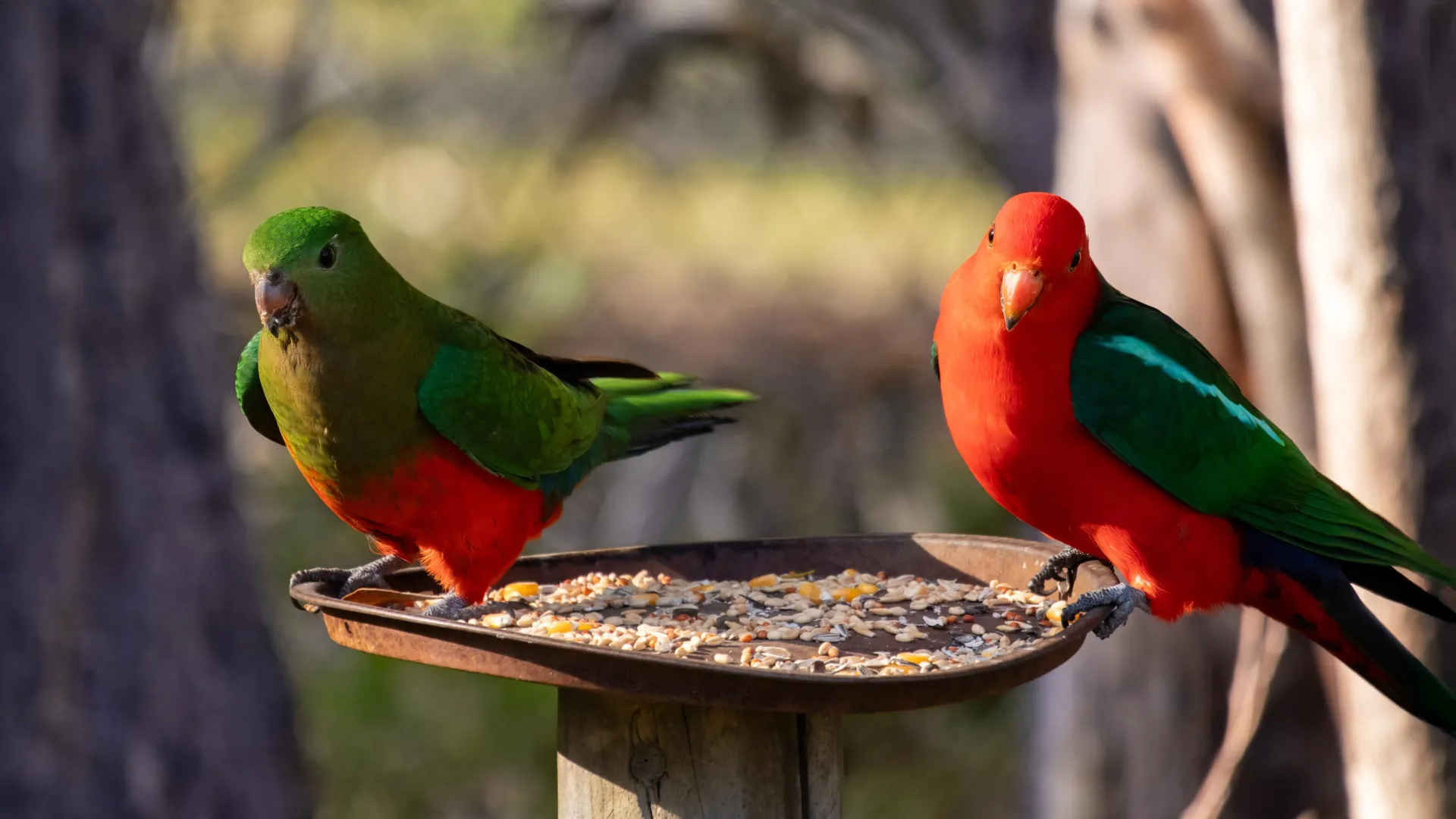
For millions of Australians, the ritual is as familiar as the morning sun: a handful of seeds tossed onto a balcony, a dish of water placed in the garden, or a dedicated bird feeder stocked with suet and scraps. It is a pastime steeped in affection, intended to foster a deeper connection with nature and provide a helping hand to our local avian neighbors.
However, as the H5N1 strain of highly pathogenic avian influenza (HPAI) continues its alarming march across the continent, this beloved tradition is coming under intense scientific scrutiny. Experts warn that what appears to be an act of kindness may inadvertently be creating "superspreader events," turning suburban backyards into transmission hotspots for a virus that has already decimated wildlife populations globally.
The Rising Tide of H5N1: A Chronology of Concern
The current threat posed by H5N1 is not merely theoretical; it is a developing ecological crisis. While Australia remained the last continent free of the H5N1 strain for years, the barrier has been breached.
The timeline of this arrival is grim. Following the rapid global spread of the virus—which has caused mass mortality events among wild birds and marine mammals across Europe, the Americas, and Antarctica—the virus reached Australian shores. The situation escalated sharply in mid-2026, when authorities confirmed the deaths of over 1,000 crested terns in a single cluster, a clear indicator of the virus’s virulence in local ecosystems.
The crisis took a significant turn when a long-nosed fur seal was confirmed to have succumbed to the virus. This marked the first detection of H5N1 in an Australian mainland mammal, shattering the perception that the outbreak would be limited to avian species. This grim milestone signaled that the virus had successfully jumped the species barrier, moving from avian hosts to land-based mammals, and setting a dangerous precedent for how the disease might navigate the Australian food web.
Supporting Data: The Anatomy of a Superspreader
To understand why backyard feeding is problematic, one must look at the ecology of disease transmission. In the wild, birds rarely congregate in high densities unless at specific natural resource points. Backyard feeders, however, act as artificial aggregation centers.
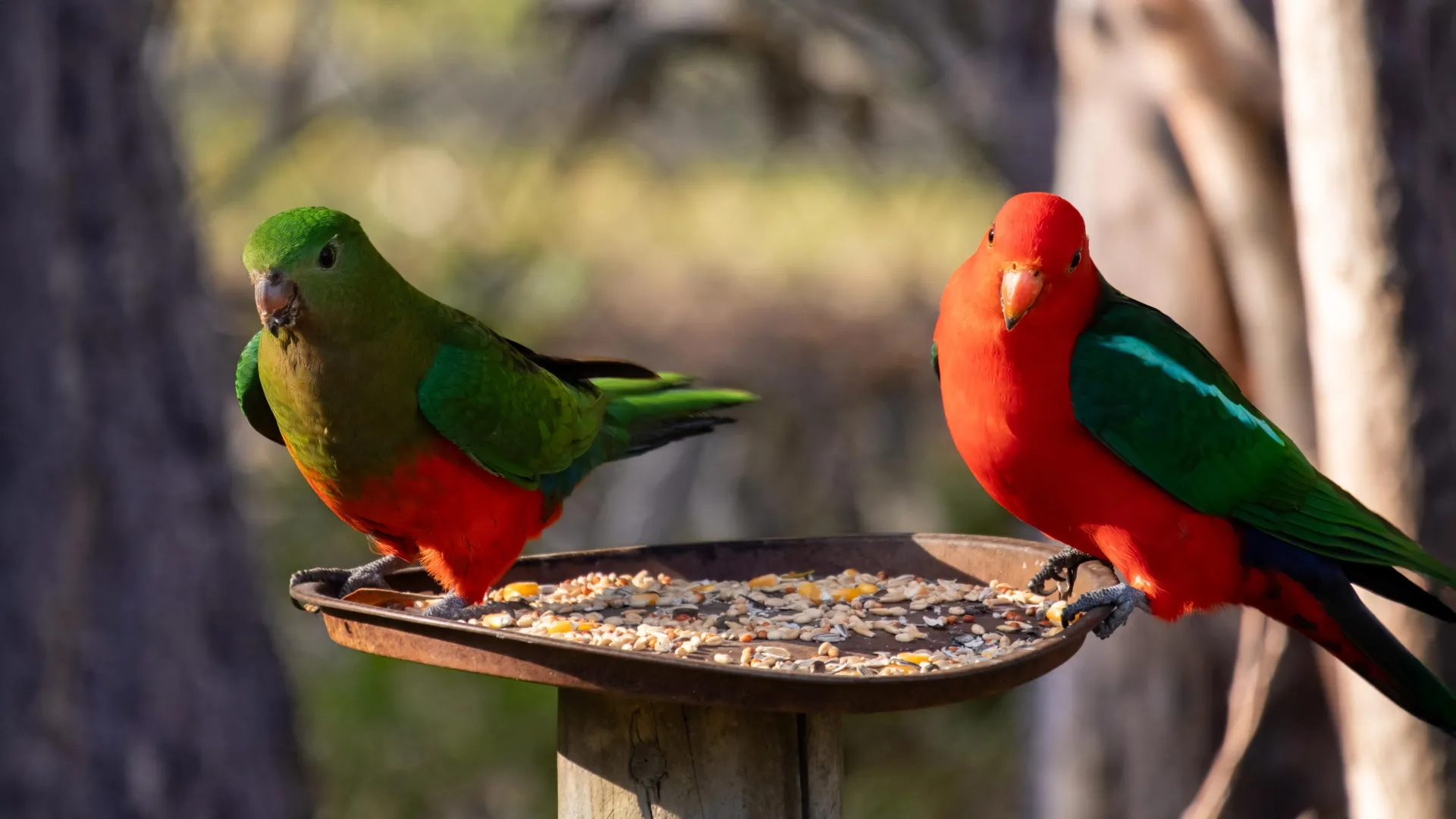
Research indicates that approximately 50% of Australian households engage in some form of wild bird feeding, with a significant portion doing so on a daily basis. When these feeders are introduced, they bring together species that would otherwise rarely interact. A single feeder might attract honeyeaters, parrots, pigeons, and magpies simultaneously.
If one bird is carrying the H5N1 virus, the feeder becomes a common surface—a fomite—where viral particles can be deposited. When a second bird lands, the risk of cross-contamination is exponentially higher than it would be in a natural, dispersed environment. This is the definition of a "superspreader event": an environment where the rate of transmission is artificially amplified by human intervention.
Data from the Biodiversity Council and various ecological studies suggest that these hotspots are not limited to the birds themselves. Scavenger species—such as foxes, possums, and urban crows—frequently visit these areas to feed on discarded scraps or, worse, to scavenge the carcasses of birds that have succumbed to the virus. This creates a bridge for the pathogen to move from the air to the soil and into the broader mammalian population.
The Ecological and Human Implications
The implications of this spread are catastrophic. For threatened species, such as the critically endangered orange-bellied parrot, the arrival of H5N1 could be the final blow. These populations are already fragile; a sudden, highly contagious outbreak could push them to the brink of extinction within a single breeding season.
Furthermore, the potential for zoonotic transmission—the jump from animal to human—remains a major concern for public health officials. While human cases of H5N1 are currently rare and typically involve direct, high-intensity contact with infected wildlife (such as in the case of veterinarians or wildlife carers), the widespread nature of backyard feeding increases the statistical probability of accidental human exposure.
Though health authorities maintain that the risk of transmission to the general public remains low, the "mild symptoms" often associated with human infection can mask the potential for the virus to mutate. The primary concern is not just the immediate health of the individual, but the role of human environments in facilitating the virus’s evolution.
Expert Perspectives and Official Responses
The scientific community is largely unified in its recommendation: the most effective way to protect both birds and humans is to halt the practice of supplemental feeding entirely.
Dr. [Name/Affiliation, e.g., Wildlife Ecologist], specializing in avian health, notes, "We have a misconception that we are helping these birds. In reality, most species that visit our gardens obtain the vast majority of their nutritional requirements from insects, nectar, and natural forage. The food we provide is a supplement, often an unhealthy one, that does more to increase social stress and disease risk than it does to aid in survival."
Government biosecurity agencies have issued clear, albeit difficult, guidelines. The Department of Agriculture and the relevant state wildlife authorities emphasize that the risk-to-benefit ratio has shifted decisively against backyard feeding. They urge the public to prioritize long-term ecosystem health over the short-term pleasure of observing wildlife at close range.
Navigating the Risk: Can Feeding Be Done Safely?
For those who find the prospect of stopping completely untenable, experts have outlined a strict "risk-mitigation" protocol. These measures are not suggestions but essential safety protocols in the current climate:
1. The Principle of Minimal Intervention
If you must feed, provide as little as possible. The goal is to discourage large gatherings of birds. By reducing the volume of food, you effectively limit the duration and frequency of bird congregations, mimicking the dispersed nature of their natural feeding patterns.
2. Abolish Hand-Feeding
This is perhaps the most critical behavioral change required. Hand-feeding creates a direct, intimate vector for disease. Whether or not a human catches the virus, the act of hand-feeding facilitates the transfer of oral and respiratory secretions between the bird and the human, which is a dangerous practice during an active pandemic.
3. Rigorous Sanitation
If you maintain a feeder, it must be treated like a medical facility. Surfaces should be cleaned daily with a diluted bleach solution. If the feeder cannot be sanitized, it must be removed. A dirty feeder is a petri dish; in the current H5N1 context, an uncleaned feeder is a public health liability.
4. Vigilance and Reporting
Public cooperation is the final line of defense. The public is urged to monitor their gardens for unusual bird behavior, including lethargy, abnormal head tilts, or unexpected mass deaths.
If you encounter a sick or deceased bird, do not touch it. The virus can persist on feathers and in the environment. Instead, follow these steps:
- Document: Take photographs from a safe distance.
- Isolate: Keep pets, children, and other people away from the area.
- Report: Contact the Emergency Animal Disease Hotline immediately at 1800 675 888.
Conclusion: A New Era of Wildlife Stewardship
The H5N1 outbreak represents a stark reminder of the interconnectedness of our world. The lines between domestic spaces and wild habitats are increasingly blurred, and our actions within our own backyards have consequences that echo through the wider Australian landscape.
While the desire to feed wild birds comes from a place of compassion, true stewardship in the age of H5N1 requires a shift in perspective. Sometimes, the most meaningful way to care for the wildlife we love is to give them the space they need to remain truly wild—and to keep our backyards free from the invisible, deadly reach of a global pandemic. As we navigate this challenging period, our choices today will determine the resilience of our bird populations for years to come.