










For many, the hardest part of a workout isn’t the exertion—it’s the logistics. The process of finding a gym, changing into athletic wear, or lowering oneself to a hard, unforgiving floor can be a significant barrier to consistency. However, a growing body of physical therapy research suggests that the most effective path to mobility and strength may be hiding in plain sight: your own bed.
Whether you are navigating mobility challenges, recovering from an injury, or simply looking to integrate more movement into your daily life without the "all-or-nothing" mentality of a traditional gym session, bedside exercises offer a highly accessible, low-friction solution.
The Science of Accessible Movement: Why the Bed is the New Gym
Physical activity is widely recognized as the cornerstone of longevity, particularly as we age. However, for individuals over the age of 60, or those living with chronic pain, traditional floor-based exercises can present a significant hurdle.
Dr. Jackie Sanders, a Doctor of Physical Therapy and Certified Running Coach at WAVE Physical Therapy, emphasizes that the psychological and physical barrier of getting on and off the floor often leads to program abandonment. "If getting onto the floor requires considerable effort, causes pain, creates fear of getting back up, or requires another person nearby, then a theoretically excellent floor program may have almost no real-world value," Dr. Sanders explains.
By shifting the exercise surface to a bed, the "entry cost" of movement is drastically reduced. A bed provides a familiar, cushioned environment that eliminates the need for uncomfortable kneeling or the precarious task of pushing oneself up from a hard surface. This approach isn’t just about convenience; it is about sustainability. When the barrier to entry is lowered, consistency increases, leading to better long-term health outcomes.
Chronology of Progress: From Bedside to Mobility
Integrating a six-minute routine into your morning or nighttime habits can foster significant changes in hip health. The hip joint serves as the body’s primary engine for movement, and when these muscles weaken, it affects gait, balance, and the ability to perform daily tasks like climbing stairs or standing from a chair.
Phase 1: Assessment and Preparation
Before beginning, ensure your mattress provides a stable enough surface. While soft, plush mattresses can be comfortable for sleeping, they may lack the support needed for exercise. A slightly firmer mattress is ideal for maintaining proper spinal alignment during these movements.
Phase 2: The Foundation (Days 1–14)
Focus on consistency rather than intensity. Perform these three exercises daily. The goal is to wake up the gluteal muscles and hip flexors. If you feel muscle fatigue, that is a positive sign—it means the muscles are being recruited effectively.
Phase 3: Progressive Overload (Day 15 and beyond)
Once the movements feel natural, introduce resistance. This can be as simple as adding a light resistance band around the knees for bridges or holding the extension for an additional five seconds. As your strength builds, you may find that the confidence gained in these sessions spills over into your daily activities, allowing for more intensive movement later in the day.
Supporting Data: The Vital Role of Hip Strength
The hips are central to the kinetic chain. Weakness in the hip stabilizers is directly linked to an increased risk of falls in the elderly, as well as chronic lower back pain.
Why the Hips Matter:
- Hip Extension: Essential for walking, running, and standing upright.
- Lateral Stability: Prevents the "sway" or instability seen during walking, which is a primary contributor to loss of balance.
- Core Integration: Strong hips take the pressure off the lumbar spine, mitigating lower back discomfort.
By utilizing specific movements like the single-leg bridge, the side-lying clamshell, and the quadruped leg extension, you are targeting the exact muscle groups—the gluteus maximus, medius, and minimus—that provide the structural integrity necessary for pain-free mobility.
Expert Analysis: Three Key Movements for Daily Strength
Dr. Sanders identifies three specific exercises that yield the highest return on investment for those working out in bed.
1. Single-Leg Hip Bridges
The bridge is the gold standard for activating the posterior chain. By performing this on a single leg, you increase the challenge to the core and the stabilizing muscles of the pelvis.
- The Benefit: It directly targets the muscles required to keep the body upright.
- Pro Tip: Add a small pillow or ball between the knees to engage the adductors simultaneously, further stabilizing the pelvic floor.
2. Side-Lying Clamshells
Many of us spend our days in a sedentary "seated" position, which causes the hip abductors to weaken. The clamshell addresses the frontal plane of movement.
- The Benefit: It strengthens the muscles responsible for preventing lateral sway while walking, which is vital for gait efficiency.
- Pro Tip: Keep your feet touching throughout the movement and focus on the external rotation of the hip rather than just lifting the knee.
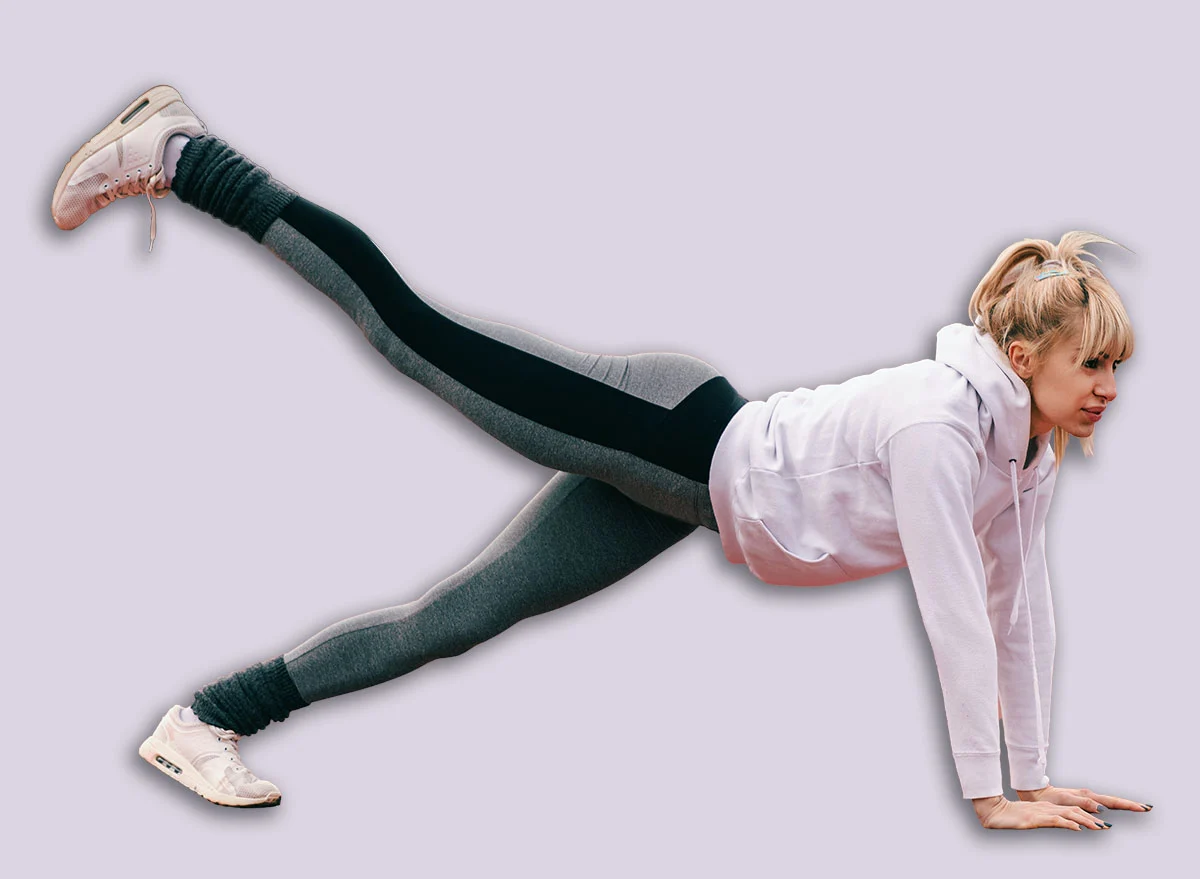
3. Quadruped Leg Extension
This movement simulates the mechanics of a stride. By extending the leg behind the body while in a quadruped (all-fours) position, you are training the muscles to propel the body forward.
- The Benefit: It builds endurance in the glutes and improves functional balance.
- Pro Tip: To increase the intensity, lift the opposite arm as you extend the leg. This engages the core and forces the body to stabilize against a rotational challenge.
Implications for Long-Term Wellness
The shift toward "habit stacking"—linking these exercises to your natural morning routine—is a powerful psychological tool. By keeping a resistance band on your nightstand, you create a visual cue that reminds you to move before your feet even touch the floor.
Improving Sleep Quality
For individuals who suffer from sleep disturbances, low-intensity movement can be an effective way to lower cortisol levels and prepare the body for rest. Engaging in a gentle, mindful stretching or strengthening routine in bed signals to the nervous system that it is time to transition from the stress of the day to the restoration of the night.
The Psychological Benefit of "No-Fear" Exercise
Perhaps the most profound implication of this approach is the reduction of "exercise anxiety." For many, the fear of injury or the inability to recover from a strenuous workout is paralyzing. Bedside exercises remove the performance pressure. There is no gym mirror, no public scrutiny, and no risk of a difficult floor transition.
Final Thoughts: A Sustainable Path Forward
The path to improved mobility does not necessarily require expensive equipment or a high-intensity gym membership. It requires a commitment to consistency and a willingness to utilize the space you already inhabit.
As Dr. Sanders notes, "By starting in an approachable way, doing a few exercises in bed, the individual may progress to the point of doing more intensive exercises." This is the ultimate goal: building the strength and confidence necessary to move through the world with greater ease, starting from the very place you rest.
Whether you are 60 or 90, or simply looking to combat the sedentary nature of modern life, the bedside routine serves as a reminder that movement is a fundamental human right—and it’s always within reach, provided you start where you are.