











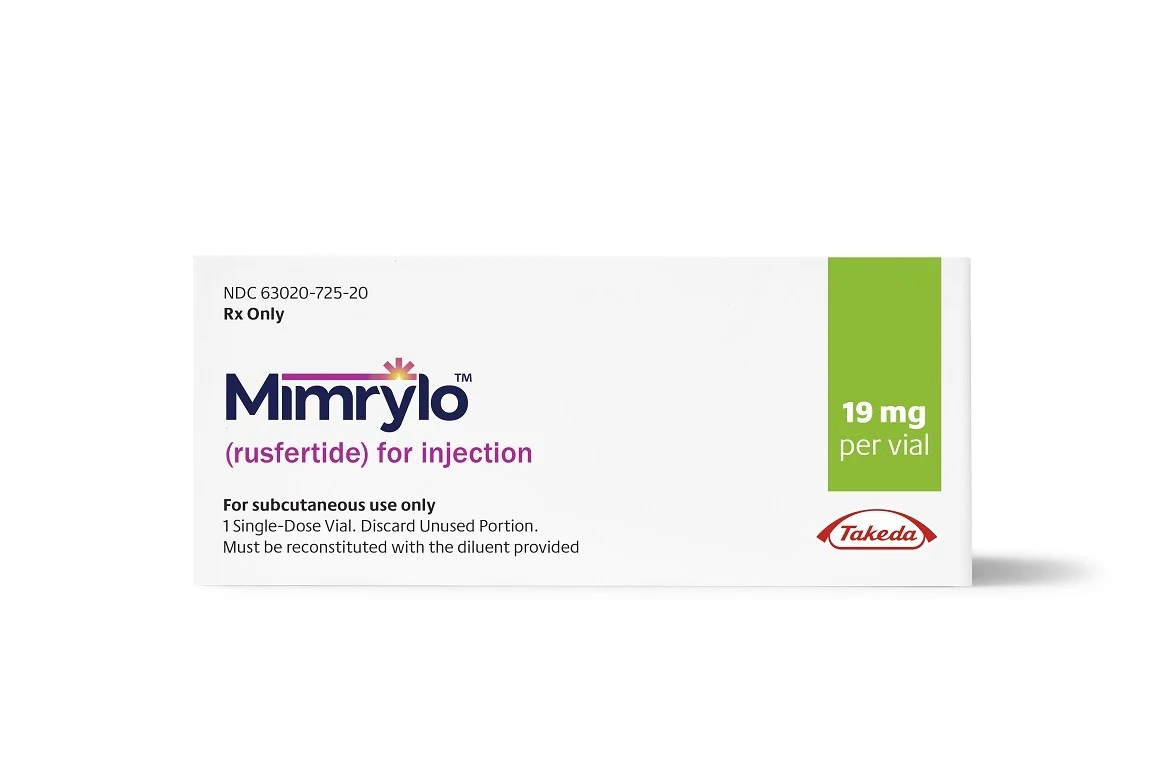
In a landmark shift for the treatment of rare blood disorders, the U.S. Food and Drug Administration (FDA) has officially approved Mimrylo (rusfertide), a first-in-class therapy developed by Takeda Pharmaceutical. This regulatory milestone offers a long-awaited alternative to "archaic" standard-of-care procedures for patients suffering from polycythemia vera (PV), a chronic and potentially life-threatening myeloproliferative neoplasm.
The approval, which follows a string of successful clinical trials and a multi-million dollar strategic partnership between Takeda and Protagonist Therapeutics, signals a move toward precision medicine in hematology. By targeting the underlying mechanisms of iron regulation rather than merely removing excess blood, Mimrylo represents a significant departure from traditional management strategies.
The Clinical Landscape: Understanding Polycythemia Vera
Polycythemia vera is a rare form of blood cancer that occurs when the bone marrow produces an excessive amount of red blood cells. This condition, known as erythrocytosis, results in blood that is thicker than normal—a state referred to as "hyperviscosity."
The implications for patients are severe. The thickened blood flows less efficiently through the circulatory system, drastically increasing the risk of cardiovascular complications, including debilitating strokes and myocardial infarctions (heart attacks). Beyond the immediate threat of clotting, patients often endure a persistent and exhausting range of symptoms, including chronic fatigue, severe headaches, dizziness, and intense itching.
Historically, the standard treatment for PV has been therapeutic phlebotomy—a procedure akin to bloodletting—where a clinician periodically removes a volume of the patient’s blood to manually reduce the red blood cell count. While effective in the short term, the procedure is physically taxing, inconvenient, and fails to address the root cause of the bone marrow’s overproduction.
Mimrylo: Mechanism and Innovation
Mimrylo, an engineered peptide, functions as a mimetic of hepcidin, the body’s naturally occurring "master regulator" of iron. In a healthy individual, hepcidin maintains iron homeostasis by limiting the amount of iron available to the bone marrow for the production of red blood cells.
In patients with PV, the body’s natural iron regulation is often overwhelmed by the cancerous growth of blood cells. Mimrylo steps in to artificially enforce this regulation. By sequestering iron, the drug effectively limits the "fuel" the bone marrow requires to overproduce red blood cells.
According to Dinesh Patel, CEO of Protagonist Therapeutics, the company’s initial developer, natural hepcidin is biologically fragile—it is unstable and poorly soluble. Using a proprietary platform technology, Protagonist engineered a more potent, stable version of the hormone. This technological leap allows for a once-weekly subcutaneous injection, a stark contrast to the repetitive, invasive nature of phlebotomy.
Chronology of Development and Commercialization
The path to FDA approval for Mimrylo was marked by strategic financial maneuvers and rigorous clinical validation:
- Phase 3 Success: Protagonist Therapeutics conducted pivotal Phase 3 trials demonstrating that 76.9% of patients treated with weekly Mimrylo injections remained free of the need for phlebotomy at 32 weeks, compared to just 32.9% in the placebo cohort.
- The Takeda Partnership: Recognizing the drug’s potential, Takeda entered into a $300 million collaboration agreement with Protagonist in early 2024. This partnership allowed Protagonist to complete the pivotal trial while Takeda prepared for the global commercial rollout.
- The Opt-Out Strategy: In April, Protagonist exercised an "opt-out" provision, trading its right to share in U.S. profits for a massive cash injection. This move included a $200 million upfront payment, an additional $200 million upon approval, and a $75 million milestone payment, with the potential for nearly $1 billion in further milestones and ongoing royalties.
- Final Approval: Following the market close on a Friday, the FDA granted approval for the treatment of erythrocytosis in adults with PV. The drug is now commercially available at a list price of $4,200 per vial.
Expert Perspectives: A "Practice-Changing" Development
The medical community has greeted the approval with significant enthusiasm. Dr. Andrew Kuykendall, a lead investigator in the study and an associate member at the Moffitt Cancer Center, emphasized the limitations of current paradigms during the American Society of Hematology (ASH) annual meeting.
"It’s replacing therapeutic phlebotomy, which is archaic," Dr. Kuykendall stated. "Given that therapeutic phlebotomy is the mainstay of treatment for everyone at some point, this is undoubtedly practice-changing."
The current treatment landscape for PV is limited. Incyte’s Jakafi, a JAK inhibitor, is often used as a second-line treatment, but only for patients who fail on hydroxyurea. Furthermore, Besremi (by PharmaEssentia) offers a different mechanism as an interferon alpha derivative, but it comes with strict contraindications. Patients with pre-existing mood disorders or autoimmune conditions often cannot use interferon-based therapies, as they risk exacerbating depression or overstimulating an already compromised immune system.
Mimrylo’s broad label—without restrictions on the line of therapy—fills a critical gap for patients who cannot tolerate or do not respond to these existing options.
Implications for Takeda and the Broader Market
For Takeda, Mimrylo is more than just a new product; it is a critical pillar in the company’s future revenue strategy. With their top-selling inflammatory bowel disease medication, Entyvio, facing patent expiration, Takeda is under pressure to diversify its portfolio. The company has projected peak annual revenues for Mimrylo to reach as high as $2 billion.
Analysts at Leerink Partners have echoed this sentiment, modeling potential sales of $2 billion by 2035. This success would not only secure Takeda’s position in the hematology market—complementing their existing hemophilia portfolio—but also validate the high-stakes investment strategy they employed with Protagonist.
Expanding Horizons: PharmaEssentia and Essential Thrombocythemia
The advancements in myeloproliferative neoplasms (MPNs) extend beyond PV. In a concurrent development, the FDA has granted an expanded label to Besremi for the treatment of essential thrombocythemia (ET).
ET is closely related to PV, characterized by an overproduction of platelets rather than red blood cells, leading to severe risks of blood clots and abnormal bleeding. Dr. Ruben Mesa, principal investigator for the Besremi trials, noted that the approval provides a much-needed option that "works at the source of the disease rather than solely managing symptoms."
The availability of both Mimrylo for PV and the expanded label for Besremi in ET suggests a new, more aggressive era of disease control. Instead of reactive measures—like draining blood or thinning the population of platelets—clinicians now have access to targeted, molecular-level therapies that address the underlying genetic mutations driving these cancers.
Looking Ahead: The Future of MPN Care
The successful rollout of Mimrylo and the expansion of other MPN therapies highlight a shift toward specialized, long-term disease management. Takeda has confirmed that it is currently working to introduce Mimrylo to international markets, ensuring that the global PV patient population can access this alternative to phlebotomy.
For patients, the "financial independence" gained by companies like Protagonist, combined with the commercial reach of a global leader like Takeda, ensures that innovation in the rare disease space remains robust. As open-label extension studies continue to provide long-term safety and efficacy data, the focus for researchers will likely turn to combination therapies and personalized treatment regimens tailored to a patient’s specific mutation profile.
The era of relying solely on phlebotomy is rapidly drawing to a close. With a new suite of targeted, potent, and more manageable drugs, the outlook for patients with polycythemia vera and essential thrombocythemia has never been more promising.