










In the ongoing quest to understand how dietary habits shape the trajectory of aging, a new study has surfaced that provides a compelling, if preliminary, look at the role of micronutrients in neurological health. Research published on June 10, 2026, in the open-access journal PLOS One suggests that vitamin C—a staple of the human diet—may be more than just an immune booster; it may serve as a silent guardian of the brain’s architecture.
Led by Haruka Nagaya of Hirosaki University in Japan, the study observed a cohort of over 2,000 older adults, revealing that those with lower concentrations of vitamin C in their blood plasma exhibited measurable differences in brain structure. Specifically, these individuals showed reduced gray matter volume and diminished connectivity within the brain’s "default mode network" (DMN)—a critical system responsible for memory, introspection, and attention. While the findings stop short of claiming a direct causal link, they add significant weight to the hypothesis that nutrition is a foundational pillar of cognitive longevity.
The Core Findings: A Closer Look at the Data
The study represents a significant step forward in nutritional neuroscience. For years, epidemiological data has hinted that populations with high intake of vitamin C—found abundantly in citrus fruits, peppers, strawberries, and broccoli—tended to experience lower rates of cognitive impairment. However, these past studies often relied on self-reported dietary surveys, which are notoriously prone to recall bias.
By contrast, the Hirosaki University team utilized biological markers. By analyzing blood plasma samples alongside sophisticated magnetic resonance imaging (MRI) scans, the researchers were able to correlate precise physiological levels of the vitamin with the physical state of the brain. The study focused on 2,044 Japanese adults over the age of 64, providing a robust, community-based dataset that offers a clearer view of how the aging brain interacts with systemic nutrient levels.
The Role of the Default Mode Network
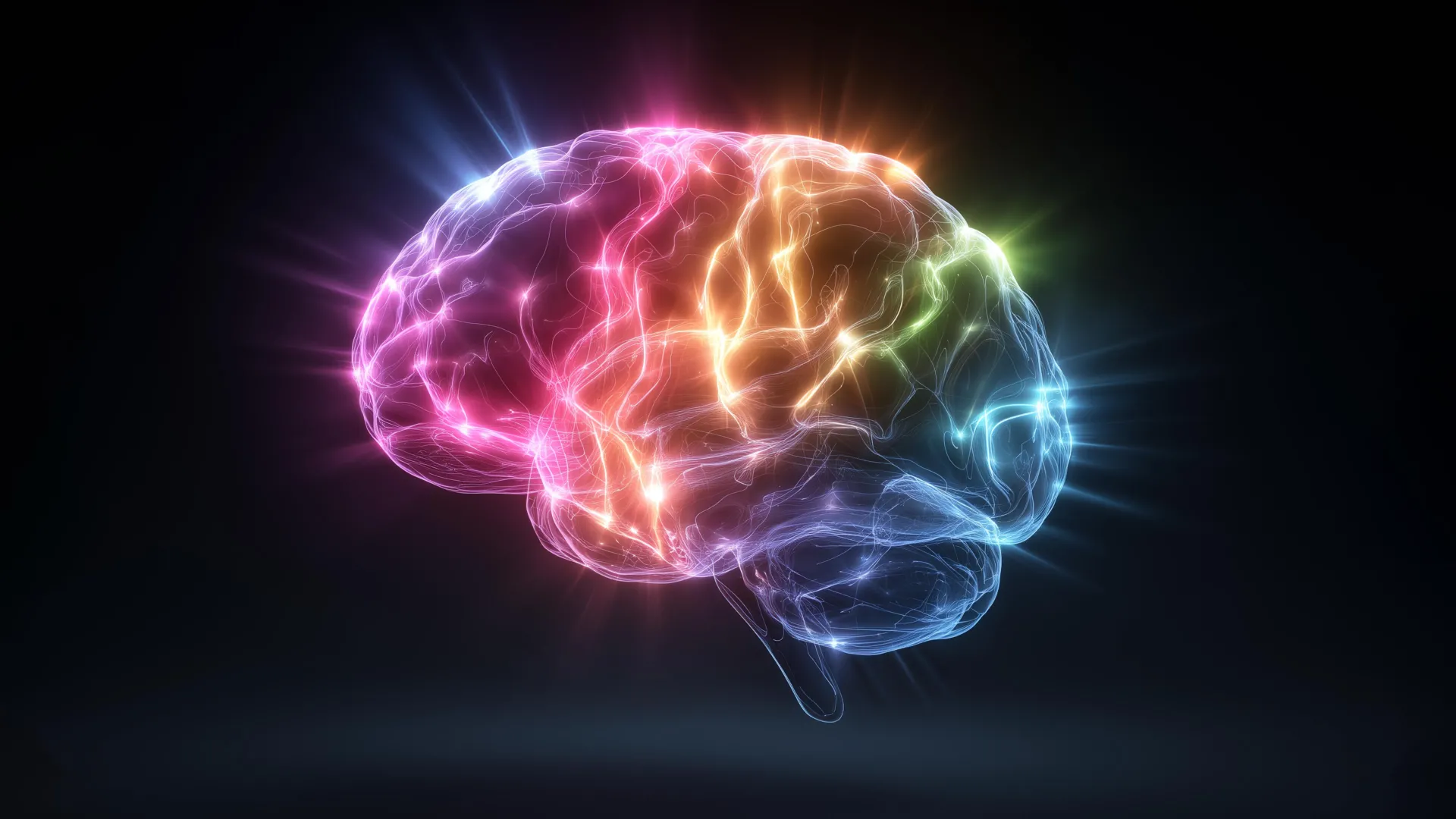
Perhaps the most intriguing aspect of the findings concerns the "default mode network." This network is a complex web of interconnected brain regions that activates when an individual is not focused on the outside world—a state often associated with daydreaming, reflecting on the past, or planning for the future. As we age, the integrity of this network often degrades, which is frequently linked to lapses in memory and attention. The study’s discovery that lower vitamin C levels correlate with weaker connectivity within this network suggests that the nutrient might be involved in maintaining the "wiring" that allows the brain to communicate efficiently with itself.
A Chronology of Discovery: From Hypothesis to MRI
The journey to these findings began with the recognition of a gap in existing literature. While the scientific community has long understood the neuroprotective properties of antioxidants, the direct association between blood-borne vitamin C and specific structural brain changes remained poorly defined.
- Inception and Design: Researchers identified the need for a large-scale, objective study to move beyond the limitations of food-frequency questionnaires.
- Data Collection: Between 2024 and 2025, the team recruited 2,044 participants over the age of 64. Each participant underwent comprehensive MRI imaging and standardized blood plasma analysis.
- Analytical Phase: The team adjusted the data for a wide array of confounding variables, including chronological age, educational attainment, socioeconomic status, and physical activity levels. This was crucial to ensure that the findings were not merely a reflection of a healthier overall lifestyle among those with higher vitamin C levels.
- June 2026 Publication: The results were finalized and published in PLOS One, marking a significant contribution to the field of geriatric nutrition.
Supporting Data: Dissecting the Neurological Impact
To understand the significance of the results, one must look at the precision of the MRI metrics used. The researchers did not simply look at "brain health" in a vague sense; they measured the volume of gray matter—the tissue containing the cell bodies of neurons—and white matter, which acts as the wiring that transmits signals between these neurons.
By accounting for overall brain size, the researchers ensured that the observed reductions were not simply due to natural variations in head size. The pattern was consistent: across the board, lower plasma vitamin C was a predictor of lower gray matter volume. This correlation held firm even after rigorous statistical adjustments, suggesting that the link is not merely coincidental but reflects a deeper biological relationship between circulating nutrients and neural integrity.
Official Responses and Researcher Commentary
Tomohiro Shintaku, a key voice in the research team, highlighted the excitement surrounding these findings. In a formal statement regarding the study’s impact, he noted, "Our study demonstrates that higher plasma vitamin C levels are associated with better-preserved structural connectivity of the default mode network. This finding generates the exciting hypothesis that a diet rich in vitamin C might play a supportive role in maintaining brain health and mitigating age-related cognitive decline in older adults."
Shintaku expressed particular enthusiasm for the methodology. "What I found most fascinating about this research is that we were able to detect these subtle but significant associations between a single nutritional factor and large-scale brain networks by utilizing a robust, community-based cohort of over 2,000 older adults. It truly highlights the potential impact of our everyday dietary habits on our brain structures."
The study also included a disclosure of funding to maintain transparency. While KAGOME CO., LTD. provided support for the salaries of specific authors, the researchers emphasized that the company had no role in study design, data collection, or the decision to publish. Further backing was provided by the Japan Agency for Medical Research and Development (AMED), ensuring the study maintained high standards of academic independence.
Implications: The Future of Cognitive Health
The implications of the Hirosaki study are twofold: they provide a roadmap for future research and offer immediate, actionable insights for public health.
The Path Forward
Despite the positive findings, the researchers were careful to avoid claiming that vitamin C is a "cure" or a direct cause of cognitive preservation. Because the study was observational, it cannot prove that higher vitamin C intake causes the increase in gray matter. It is possible, for instance, that other factors related to a healthy diet—such as the intake of other phytonutrients or overall metabolic health—are the true drivers.
To resolve these questions, the scientific community must look toward future research that includes:
- Longitudinal tracking: Measuring vitamin C levels repeatedly over many years to see if changes in diet lead to measurable changes in brain structure over time.
- Diverse populations: Expanding the study beyond the Japanese demographic to determine if these findings hold true across different ethnic and socioeconomic backgrounds.
- Interventional trials: Moving from observation to experimentation, where participants are placed on controlled diets to monitor direct neurological changes.
A Call for Nutritional Awareness
For the general public, the study serves as a potent reminder that the brain is a metabolic organ. It requires a constant supply of micronutrients to maintain its complex infrastructure. As populations globally continue to age, the burden of cognitive decline is becoming a critical public health challenge. If further research confirms that something as simple as maintaining adequate vitamin C levels can bolster the brain against the ravages of time, it could represent one of the most accessible and cost-effective interventions available.
In an era where "brain-boosting" supplements are often marketed with little scientific backing, the findings from Hirosaki University offer a grounded, evidence-based perspective. They suggest that the most effective way to protect the aging brain might not be found in a bottle of expensive pills, but in the produce aisle.
As we look toward the future, the integration of nutritional science and neurology will likely become a primary focus of medical research. By focusing on the "everyday" factors—like the vitamins we consume with our meals—we may be closer than ever to unlocking the secrets of healthy cognitive aging. While we wait for the biological mechanisms to be fully elucidated, the advice remains timeless: a diet rich in fruits and vegetables is not just good for the heart—it may be essential for the mind.