









In a landmark study published in the journal Cell, a team of researchers at the University of Southern California (USC) has unveiled a transformative approach to cancer immunotherapy. By successfully creating a scalable, renewable supply of genetically engineered immune cell precursors, the researchers have bypassed one of the most persistent bottlenecks in modern medicine: the inability to produce, maintain, and deliver long-lasting, high-quality immune cells capable of hunting down solid tumors.
This discovery does not merely offer a new weapon against malignancy; it fundamentally challenges the established biological understanding of how blood and immune cells develop. By proving that "progenitor" cells—previously thought to have limited utility—can be coaxed into self-renewing and persistent production, the USC team has opened a gateway toward "off-the-shelf" cell therapies that could eventually treat everything from metastatic cancer to hereditary immune deficiencies.
Main Facts: The Power of Progenitor Cells
At the heart of this research are granulocyte-monocyte progenitors (GMPs). In a typical biological environment, these immature cells are transitionary; they are destined to develop into macrophages, the immune system’s "big eaters" that engulf pathogens and debris. However, once a macrophage reaches maturity, its lifespan is finite, its ability to multiply is severely limited, and it becomes notoriously difficult to engineer or store for medical use.
The USC Stem Cell-led team, directed by Qi-Long Ying, MD, PhD, discovered that by using a precisely defined cocktail of chemicals, they could lock GMPs in a state of "controlled expansion." Under these laboratory conditions, the cells did not mature prematurely. Instead, they continued to divide indefinitely, retaining their identity while remaining ready to differentiate into functional, cancer-fighting macrophages on command.
The team then took this a step further by using genetic engineering to equip these progenitors with Chimeric Antigen Receptor (CAR) technology. Much like the CAR-T cell therapies that have revolutionized the treatment of blood cancers, these "CAR-GMPs" were programmed to recognize specific molecular markers on the surface of tumors. When these engineered cells were introduced into mice, they did not just attack cancer—they established a residency in the bone marrow, creating a sustained "factory" of tumor-fighting cells within the host.
Chronology of Discovery and Validation
The journey to this discovery began with a shift in perspective. Historically, long-term self-renewal—the ability of a cell to divide repeatedly without losing its functional identity—was attributed exclusively to hematopoietic stem cells. Progenitor cells were viewed as "committed" laborers with a short expiration date.
- Initial Concept Phase: The team hypothesized that if they could bypass the fragility of mature macrophages and start the therapeutic process at the progenitor stage, they could overcome the supply chain issues inherent in personalized medicine.
- Laboratory Expansion: Over several months, the researchers developed the specific chemical growth medium required to maintain GMPs. They observed that these cells could be expanded in the lab to massive quantities without losing their genetic integrity.
- Engineering and Programming: Once the expansion protocol was finalized, the team utilized viral vectors to introduce CAR receptors into the GMPs. They also experimented with additional "signaling" proteins designed to recruit other immune cells to the site of the tumor.
- Preclinical Validation: The study moved to mouse models. Experiments confirmed that the engineered GMPs successfully migrated to the bone marrow, integrated into the blood-forming system, and began producing a constant stream of mature, cancer-killing macrophages.
- Independent Verification: To ensure the findings were robust, the team collaborated with the laboratory of Ravi Majeti at Stanford University. The Stanford team independently replicated the expansion and engineering process, confirming that the technique was not an artifact of one specific laboratory environment but a reliable, scalable platform.
Supporting Data: Why This Changes the Landscape
The data generated by the USC team highlights a stark contrast between traditional macrophage therapy and the new CAR-GMP approach.
The Limitations of Traditional Macrophage Therapy
Existing macrophage-based therapies often fail due to three primary factors:
- Manufacturing Constraints: Mature cells are difficult to expand in large numbers, making commercial-scale production impossible.
- Storage and Logistics: Mature cells are highly sensitive to the freezing and thawing processes required for distribution.
- Rapid Clearance: When injected, mature macrophages often sequester in the liver or lungs rather than infiltrating tumors, and they die off quickly, requiring repeated, expensive, and stressful dosing for the patient.
The CAR-GMP Advantage
The USC team’s data showed that CAR-GMPs solved these issues:
- Persistence: By seeding the bone marrow, the CAR-GMPs acted as a persistent reservoir, providing a continuous supply of immune defenders over a prolonged period.
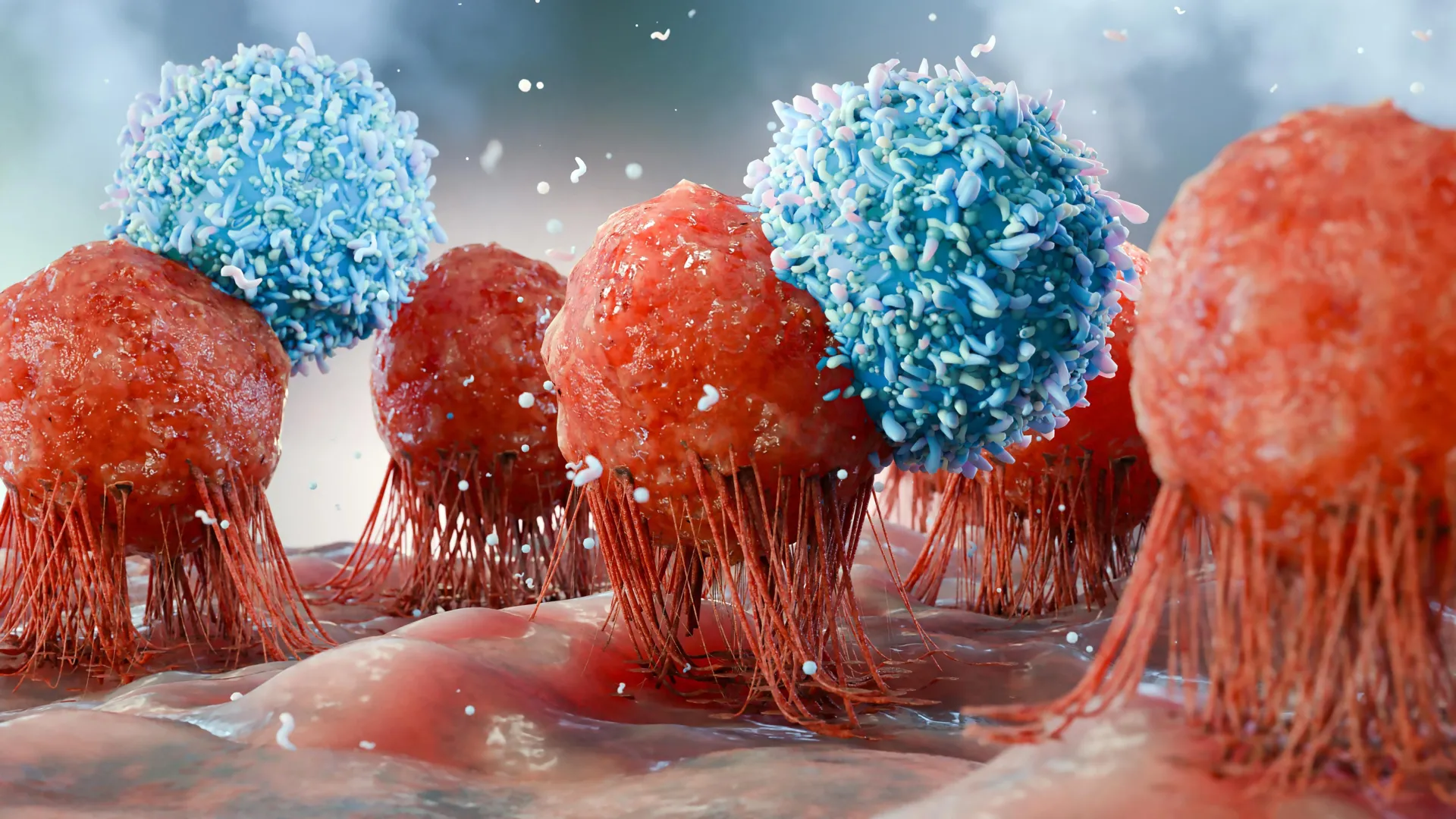
- Solid Tumor Efficacy: While CAR-T cell therapies have struggled to penetrate the dense microenvironments of solid tumors, the CAR-GMP-derived macrophages were shown to naturally migrate into tissues and infiltrate tumor masses.
- Synergistic Activation: By adding an immune-activating signal to the GMPs, the researchers observed that the cells not only attacked the cancer directly but also "recruited" the body’s native T cells to join the fight, creating a multifaceted immune response.
Official Responses and Expert Commentary
The significance of this work has been acknowledged by leaders in the field of stem cell biology.
Dr. Qi-Long Ying, the corresponding author and professor at the Keck School of Medicine of USC, emphasized that this is a conceptual shift: "The prevailing view has been that long-term self-renewal in the blood system is primarily a property of the hematopoietic stem cells. We found that, under the right conditions, GMPs can also self-renew… That gives us a scalable starting point for engineering cell therapies for cancer, infectious disease, and potentially many other conditions."
Dr. Ravi Majeti, Director of the Institute for Stem Cell Biology and Regenerative Medicine at Stanford University, noted the translational potential of the work: "This method for the expansion and engineering of GMPs opens the door to numerous translational applications, much like T cell expansion and engineering. We have already demonstrated engineering of these cells to drive multiple potent functions, and there is a lot more to be explored."
Implications: A New Era for Immunotherapy
The implications of this research extend far beyond the current scope of oncology.
Toward "Off-the-Shelf" Therapies
One of the most exciting prospects is the potential for allogeneic (donor-derived) "off-the-shelf" treatments. Because the researchers demonstrated that their modified GMPs could remain effective even without a perfect genetic match between donor and recipient, it becomes possible to manufacture large, standardized batches of these cells. This would drastically reduce the cost and wait times currently associated with "autologous" therapies, which require a patient’s own cells to be harvested and engineered individually.
Treating Immune Deficiencies
Beyond cancer, the researchers tested the technique on mice with chronic granulomatous disease (CGD). In this condition, the immune system fails to kill certain bacteria and fungi because its cells lack the necessary oxidative burst. By introducing healthy, engineered GMPs into these mice, the team was able to restore the animals’ natural immune defenses. This suggests that the CAR-GMP platform could eventually serve as a curative approach for a wide array of genetic immune disorders.
The Future of Cell Engineering
The study concludes that the "developmental stage" of a cell is as critical as its genetic programming. By intervening at the progenitor stage, scientists can create cells that are not only effective but also durable and adaptable.
While the researchers caution that these results are preclinical and that human clinical trials are the necessary next step, the trajectory is clear. The ability to manufacture an endless, renewable supply of personalized immune defenders marks a significant milestone in the evolution of precision medicine. As the scientific community continues to explore the boundaries of cellular reprogramming, the USC team’s work with GMPs stands as a testament to the power of rethinking fundamental biological processes to solve the most complex challenges in human health.