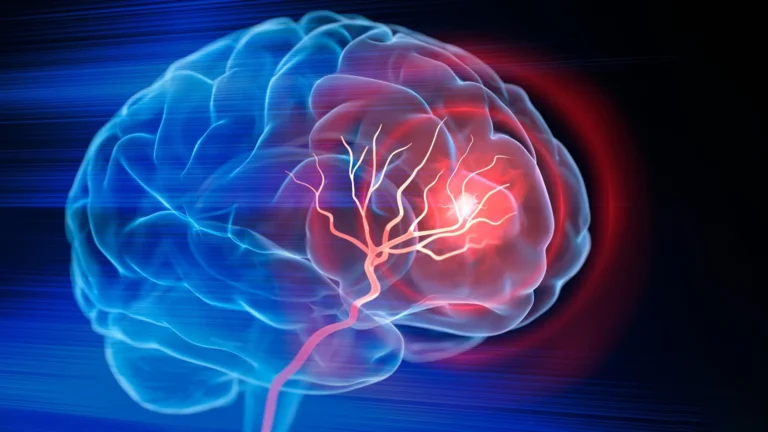




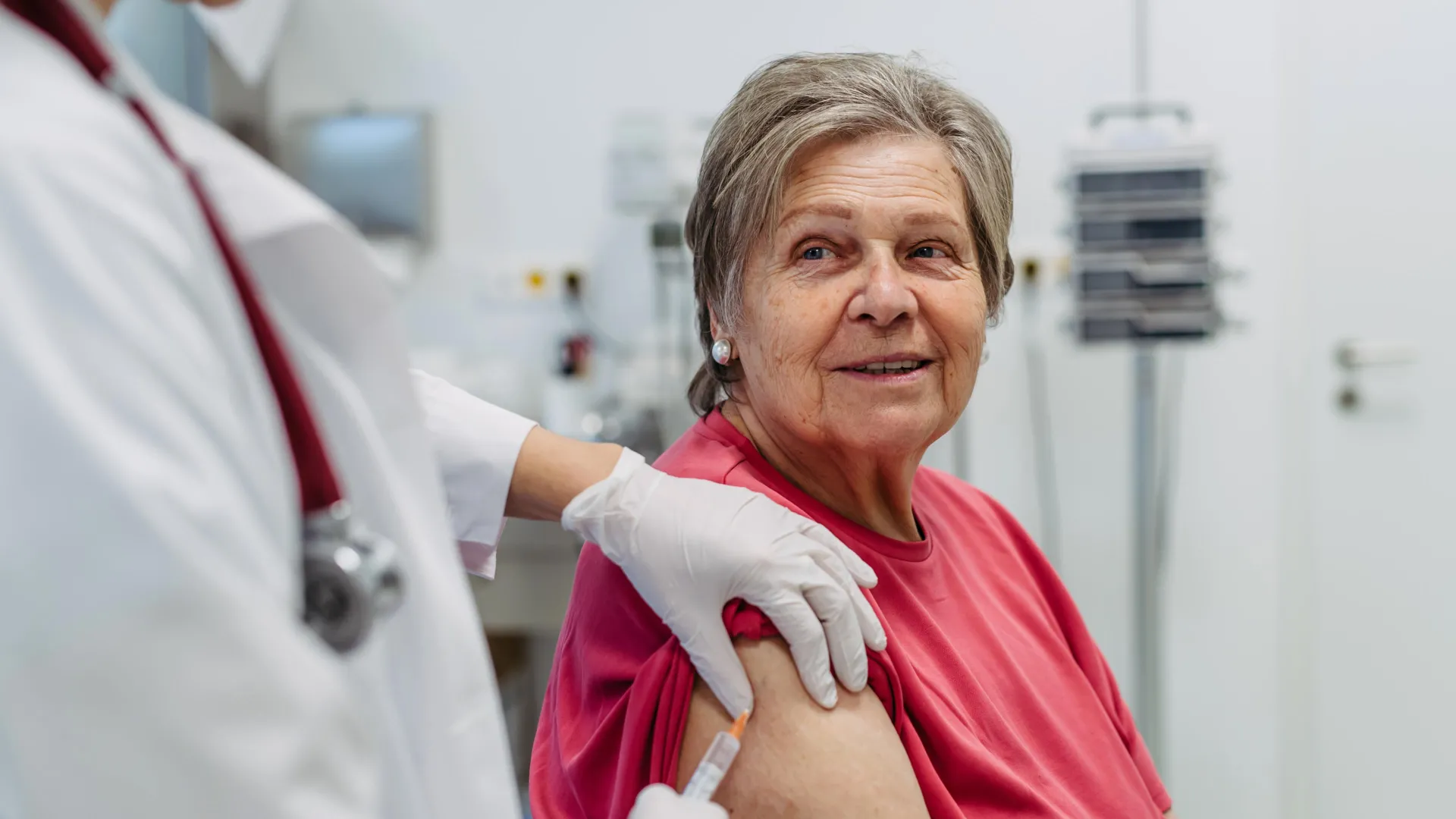
A significant new study has unveiled a compelling, albeit preliminary, connection between the recombinant shingles vaccine (Shingrix) and a reduced risk of dementia in older adults. Published in the Annals of Internal Medicine, the research suggests that nursing home residents who received the vaccine experienced a 24% lower incidence of dementia diagnoses over a four-year period compared to their unvaccinated peers. This finding adds a potential cognitive dimension to the benefits of a vaccine primarily designed to prevent a painful, debilitating viral infection.
Main Facts: A Potential Breakthrough in Preventive Neurology
For the millions of older adults living in skilled nursing facilities, cognitive decline is a primary health concern. The study, led by researchers at Brown University, analyzed a massive dataset of over 500,000 individuals, finding that the administration of the Shingrix vaccine—the only shingles vaccine currently on the market—correlates with improved long-term brain health outcomes.
The core data is striking: among those who received at least one dose of the vaccine, the rate of dementia diagnosis was 18.8%. In contrast, among the unvaccinated group, the rate climbed to 24.6%. According to the researchers, this statistical variance suggests that one in every 17 cases of dementia could potentially be prevented through widespread vaccination.
The implications of this study are profound, as they suggest that the vaccine may provide "neuroprotective" benefits. While the medical community has long understood that the varicella-zoster virus (which causes shingles) can lead to severe neurological complications, this study posits that the immune response triggered by the vaccine might play a role in mitigating the pathological processes that lead to cognitive impairment.
Chronology of the Research
The investigation, which utilized Medicare claims and electronic health records, tracked patients admitted to more than 5,500 skilled nursing facilities nationwide between 2017 and 2022.
- 2017: The recombinant shingles vaccine (RZV/Shingrix) was introduced to the U.S. market, replacing older, less effective alternatives.
- 2017–2022: The study window during which data was collected from over half a million older adults entering long-term or short-term care.
- Study Execution: Researchers employed "target trial emulation," a sophisticated statistical method designed to approximate the rigor of a randomized clinical trial when such a study is not logistically feasible or ethical in a real-world nursing home setting.
- Analysis: After excluding individuals who already had a dementia diagnosis at the time of entry, the team followed the health trajectories of the remaining 509,926 participants for four years.
- Publication: The findings were finalized and released in the Annals of Internal Medicine, marking a critical moment in the ongoing discourse regarding the intersection of infectious disease management and geriatric health.
Supporting Data: Examining the Half-Million Patient Cohort
The sheer scale of the study provides a robust foundation for its conclusions. By analyzing 509,926 individuals, the researchers were able to account for a wide range of variables. However, the study also highlights a significant gap in healthcare delivery: of that massive cohort, only 8,843 participants actually received the shingles vaccine.
This discrepancy in vaccination rates within the skilled nursing environment underscores a missed opportunity for preventative care. The researchers were careful to normalize the data, ensuring that participants were eligible for the vaccine and had no prior cognitive impairment. By comparing the 18.8% dementia rate in the vaccinated group against the 24.6% in the control group, the researchers demonstrated a consistent downward trend in cognitive decline associated with the vaccine.
Furthermore, the study confirms that these findings align with earlier research on older shingles vaccines, which also suggested a link between vaccination and reduced neurological risk. As Dr. Kaley Hayes, the study’s lead author, noted, "It fits into this large puzzle that’s just starting to come together that the vaccines are effective at preventing shingles and also appear to have neuroprotective benefits as well."
Official Responses and Expert Perspective
Dr. Kaley Hayes, an assistant professor at Brown University’s School of Public Health and the associate director of pharmacoepidemiology for the university’s Center for Gerontology and Healthcare Research, has been a vocal proponent of interpreting these results with measured optimism.
"A lot of previous studies with similar results focused on an older vaccine," Hayes explained. "This study looks at the newest vaccine only in an older, vulnerable adult population who were not up to date with shingles vaccination and are at a very clear clinical point in care: entering a skilled nursing facility."
The researchers acknowledge the limitations of their work, particularly regarding causation. Because this was an observational study based on medical records, they cannot definitively prove that the vaccine caused the reduction in dementia. They noted that those who opted for the vaccine were often younger and, on average, healthier than those who did not. While the team utilized statistical adjustments to control for these differences, they emphasize that these factors might still exert some influence.
The authors also maintained transparency regarding funding. The study received financial support from GlaxoSmithKline, the manufacturer of Shingrix. However, the researchers were adamant that the pharmaceutical company exercised no control over the study’s design, the statistical analysis, or the decision to publish the findings, ensuring the integrity of the results remained intact.
Implications: The Future of Preventive Geriatrics
The implications of these findings extend far beyond the shingles vaccine itself. If future randomized clinical trials confirm that vaccination can indeed stave off dementia, the clinical guidelines for elderly care may undergo a radical transformation.
Bridging Physical and Cognitive Health
The study highlights a fundamental truth about aging: the mind and body are inextricably linked. "Our cognition is so tied to our overall health and what happens to us physically," says Dr. Hayes. The idea that a vaccine—traditionally viewed as a tool to prevent a localized, skin-based rash—could also serve as a barrier against complex neurological decay is a paradigm shift. It encourages physicians to view vaccination not just as a defense against infection, but as a component of a holistic strategy for brain health.
Addressing Health Inequity in Nursing Facilities
The fact that only a tiny fraction of the 500,000 studied patients received the vaccine suggests a systemic failure in the current standard of care for nursing home residents. If a simple, two-dose regimen could potentially prevent nearly 6% of dementia cases in this population, the public health mandate to increase vaccination rates becomes even more urgent.
A Call for Clinical Trials
While the current study is significant, the scientific community is now calling for a definitive, prospective randomized controlled trial. Such a study would involve assigning patients to receive either the vaccine or a placebo, which would eliminate the potential bias of the "healthier patient" phenomenon observed in the current analysis. Until then, the Annals of Internal Medicine study serves as a "proof of concept" that warrants serious attention from geriatricians, neurologists, and public health policy makers alike.
The Path Forward
For now, the recommendation remains consistent with existing guidelines: shingles vaccination is essential for the physical health of older adults. However, the potential for a "cognitive dividend" provides a powerful new incentive for patients, families, and healthcare providers to prioritize the Shingrix vaccine. As the population continues to age, finding accessible, low-risk interventions to protect brain function will remain one of the most critical challenges of the 21st century.
In conclusion, while the research does not suggest that the shingles vaccine is a "cure" for dementia, it introduces a hopeful possibility. By reinforcing the immune system against viral stressors, we may be inadvertently strengthening the biological defenses of the brain. The "large puzzle" mentioned by Dr. Hayes is far from complete, but this latest study provides a significant piece that points toward a brighter, more cognitively vibrant future for the elderly.