










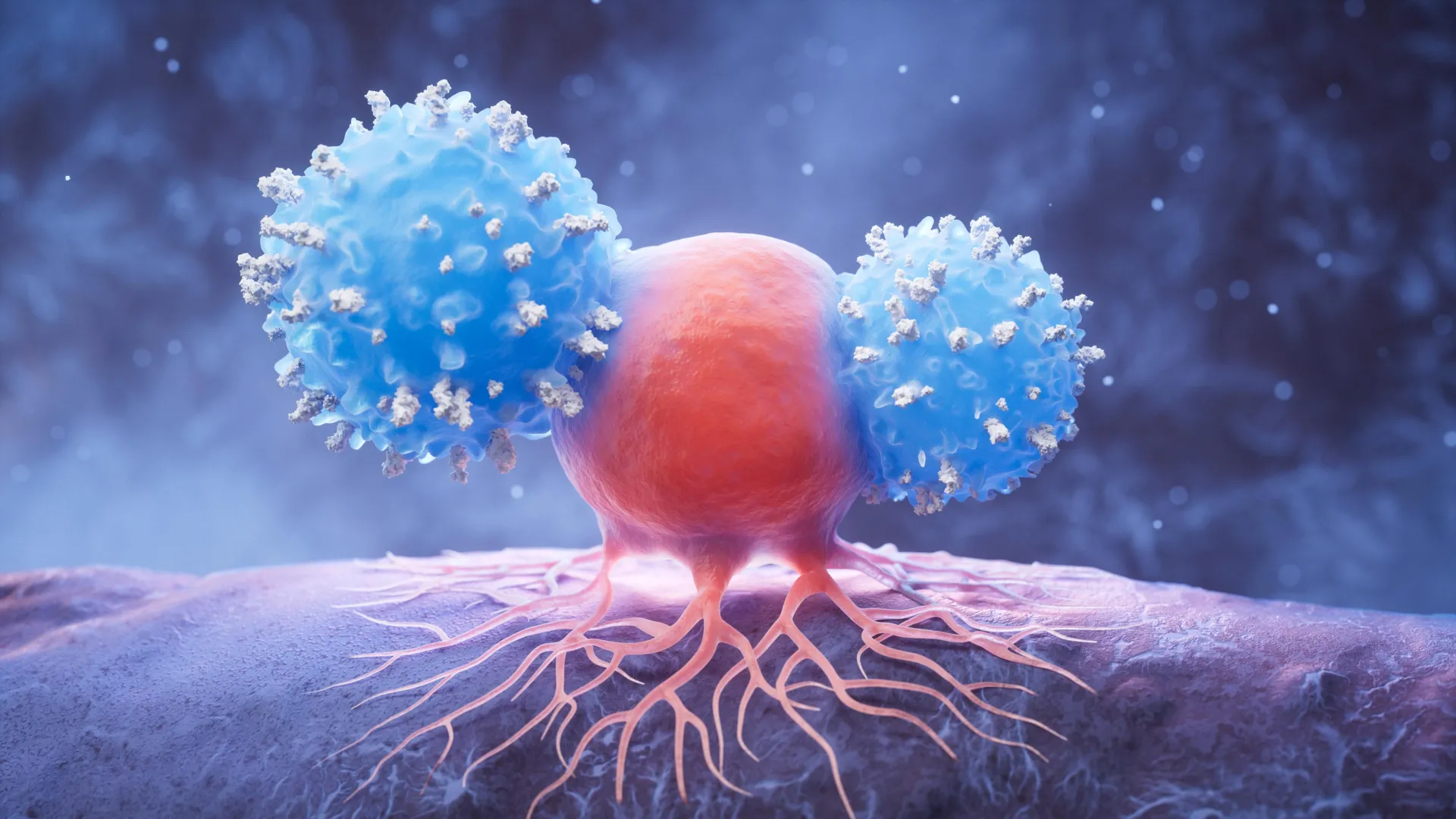
For decades, the biological narrative of aging has been one of inevitable decline. We are taught that as the human body advances into its eighth, ninth, and tenth decades, our physiological systems—particularly the immune system—gradually succumb to "immunosenescence," a process of waning efficiency and diminished response. However, a groundbreaking study published in the journal Cell Reports is challenging this dogma, suggesting that for the world’s oldest individuals, aging is not merely a process of decay, but one of profound, ongoing adaptation.
Researchers at the University of Osaka have uncovered evidence that supercentenarians—individuals who have lived to 110 years or older—possess a unique immune signature. They carry remarkably high levels of specialized immune cells known as CD4 cytotoxic T lymphocytes (CD4 CTLs). This discovery suggests that the secret to extreme longevity may lie not in the absence of age-related challenges, but in an immune system that remains hyper-vigilant and highly capable of evolving to meet them.
The Vanguard of the Immune System: Understanding CD4 CTLs
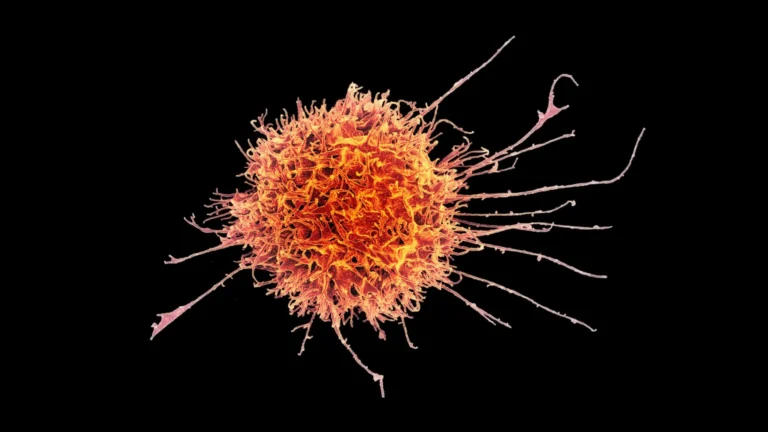
To understand the magnitude of this discovery, one must first understand the role of the CD4 cytotoxic T lymphocyte. While most people are familiar with "killer" CD8 T cells, which are the primary soldiers responsible for destroying infected or cancerous cells, CD4 T cells are traditionally viewed as the "helpers" of the immune system. They typically function by coordinating the immune response rather than executing it directly.
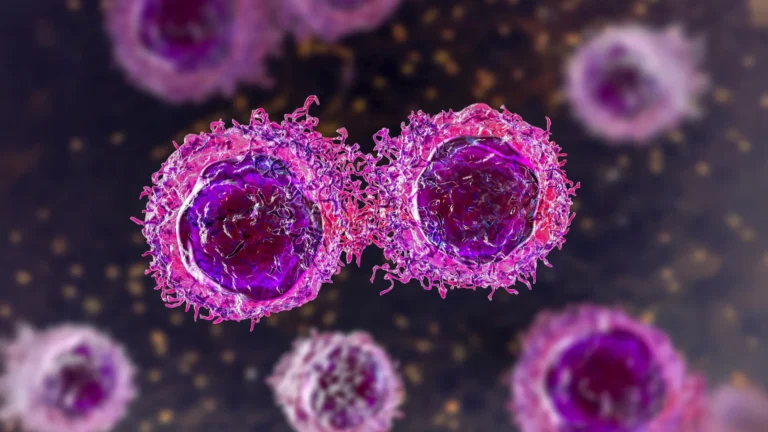
However, CD4 CTLs are a rare, specialized hybrid. They possess the regulatory capabilities of helper T cells but have developed the "killer" instinct of cytotoxic cells. Previously identified for their ability to eliminate tumor cells in specific cancer cases, these cells are also capable of rapid reproduction during illness—a phenomenon known as clonal expansion.
"Immune aging is not simply a process of decline," explains first author Kosuke Hashimoto, an associate professor at the University of Osaka. "The selective expansion of certain T cells suggests that, even in extreme old age, the immune system may continue to adapt to age-related challenges."
Chronology of Discovery: From Blood Samples to Biological Breakthroughs
The research team set out to investigate whether this unique cellular population was a quirk of biology or a fundamental pillar of human longevity. Their study followed a rigorous methodological approach, analyzing blood samples from 28 distinct individuals, categorized into three age-based cohorts: 70–99 years, 100–109 years, and 110 years and older.
The findings, unveiled on August 19, revealed a striking trend that defied expectations of immune exhaustion. As participants moved from the youngest group to the oldest, the median proportion of CD4 CTLs rose steadily. In the 70–99 age group, these cells comprised roughly 4% of the immune cell population. This figure jumped to 9.6% in the centenarian group (100–109) and climbed to a staggering 17.6% among supercentenarians.
The data suggests that the expansion of these cells is not a sudden occurrence but a gradual, sustained process that likely accelerates once a person crosses the centenarian threshold. Yet, the researchers noted a fascinating caveat: the pattern is not strictly confined to the extreme elderly. One participant in the study, who was under the age of 100, exhibited the highest proportion of CD4 CTLs observed across the entire cohort. This anomaly indicates that while these cells are markers of extreme longevity, they are likely a response to specific, ongoing physiological stressors that can occur at various stages of the human lifespan.
Supporting Data: Clonal Expansion and the "Memory" of Threats
To decipher why these specific cells become so abundant in the elderly, the Osaka team performed a deep dive into the T cell receptors (TCRs) of the participants. Their goal was to see if these cells were diverse, representing a broad array of immune training, or if they were the product of "clonal expansion"—where a single type of cell replicates rapidly to address a specific, persistent threat.
The results were definitive: clonal expansion is the primary driver. In the study participants, the largest individual clone accounted for an average of 33.3% of all CD4 CTLs. In one exceptional centenarian, a single clone made up a massive 53.8% of the entire CD4 CTL population.
This indicates that the immune systems of these supercentenarians are not merely "active"; they are "engaged." The presence of such massive clones suggests that the immune system is mounting a sustained, targeted response to ongoing, potentially chronic, immune challenges. By comparing the receptor sequences of these dominant clones against public databases, the researchers found nearly three dozen matches related to individuals previously diagnosed with cancers such as lung, breast, and liver cancer.
Crucially, none of the participants in the study had been diagnosed with these malignancies. This leads to a compelling hypothesis: these immune cells may be recognizing and suppressing early-stage, abnormal, or cancerous cells long before they can manifest as clinical disease.
Official Perspectives and Expert Analysis
The medical community has received the findings with a mixture of excitement and scientific caution. The study provides a significant shift in how we view the "aging" immune system, moving away from the idea of a failing engine and toward a model of persistent, evolutionary defense.
Professor Hashimoto, in his commentary on the research, emphasized the nuance required when interpreting these results. "CD4 CTLs are an atypical and relatively rare T cell population," he noted. "Their marked increase in supercentenarians may provide important clues as to how the immune system is maintained in extreme old age."
However, the research team remains careful not to claim that these cells are a "magic bullet" for longevity. As of now, the study has only examined circulating cells in the blood. The researchers acknowledge that they do not yet fully understand what these cells are doing in the tissues, where most immune-tumor interactions occur. "Some CD4 CTLs may recognize cancer-related targets, although their exact targets remain unknown," Hashimoto added.
The study also benefited from a robust network of institutional support, including grants from the Japan Society for the Promotion of Science (KAKENHI), the Takeda Science Foundation, and Keio University’s Global Initiative Research Projects. This collaborative effort underlines the global importance of deciphering the biology of the "oldest-old," a demographic that continues to grow as medical science advances.
Implications for Future Medical Research
The implications of this study are profound, potentially shifting the focus of geriatric medicine from simply treating disease to supporting the body’s innate ability to maintain homeostatic balance.
1. Re-evaluating Immunosenescence
For years, the focus of aging research has been on how to "boost" a failing immune system. This research suggests that in some individuals, the immune system is already performing an extraordinary job of self-regulation. Future therapies might focus on identifying the signals that trigger this CD4 CTL expansion and replicating that "adaptive" state in the broader population.
2. Cancer Prevention and Early Detection
If these CD4 CTLs are indeed acting as a natural, lifelong surveillance system against early-stage oncogenic threats, the study opens the door to new diagnostic tools. By analyzing the "clonality" of a patient’s T cells, doctors might one day be able to identify individuals whose immune systems are struggling to contain potential threats, allowing for earlier intervention.
3. The Next Frontier: Tissue-Level Analysis
The researchers have identified the next logical step in this scientific journey: moving from the bloodstream into the tissues. Understanding how CD4 CTLs navigate and behave within solid organs—such as the lungs, liver, and skin—will be essential to confirming whether these cells are truly the "sentinels of longevity."
Conclusion: A Paradigm Shift in Longevity
The journey toward 110 and beyond is not merely about surviving; it is about thriving through biological persistence. The work conducted by the University of Osaka provides a hopeful and revolutionary glimpse into the human capacity for adaptation. While we have long viewed the aging body as a fragile structure, the evidence regarding CD4 cytotoxic T lymphocytes suggests that for some, the body remains a battle-hardened fortress, continuously training its defenses against the inevitable internal threats of time.
As research continues, the goal remains clear: to unlock the mechanisms of this immune adaptation. If we can learn how the supercentenarian immune system remains so remarkably resilient, we may find ourselves closer than ever to unlocking the secrets of healthy, extended human longevity.