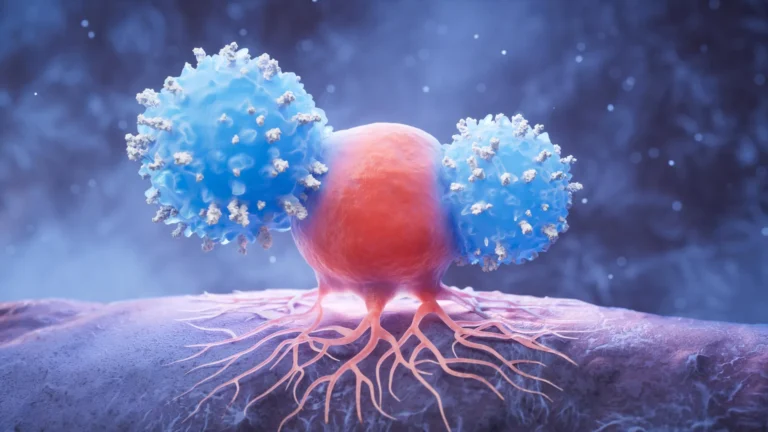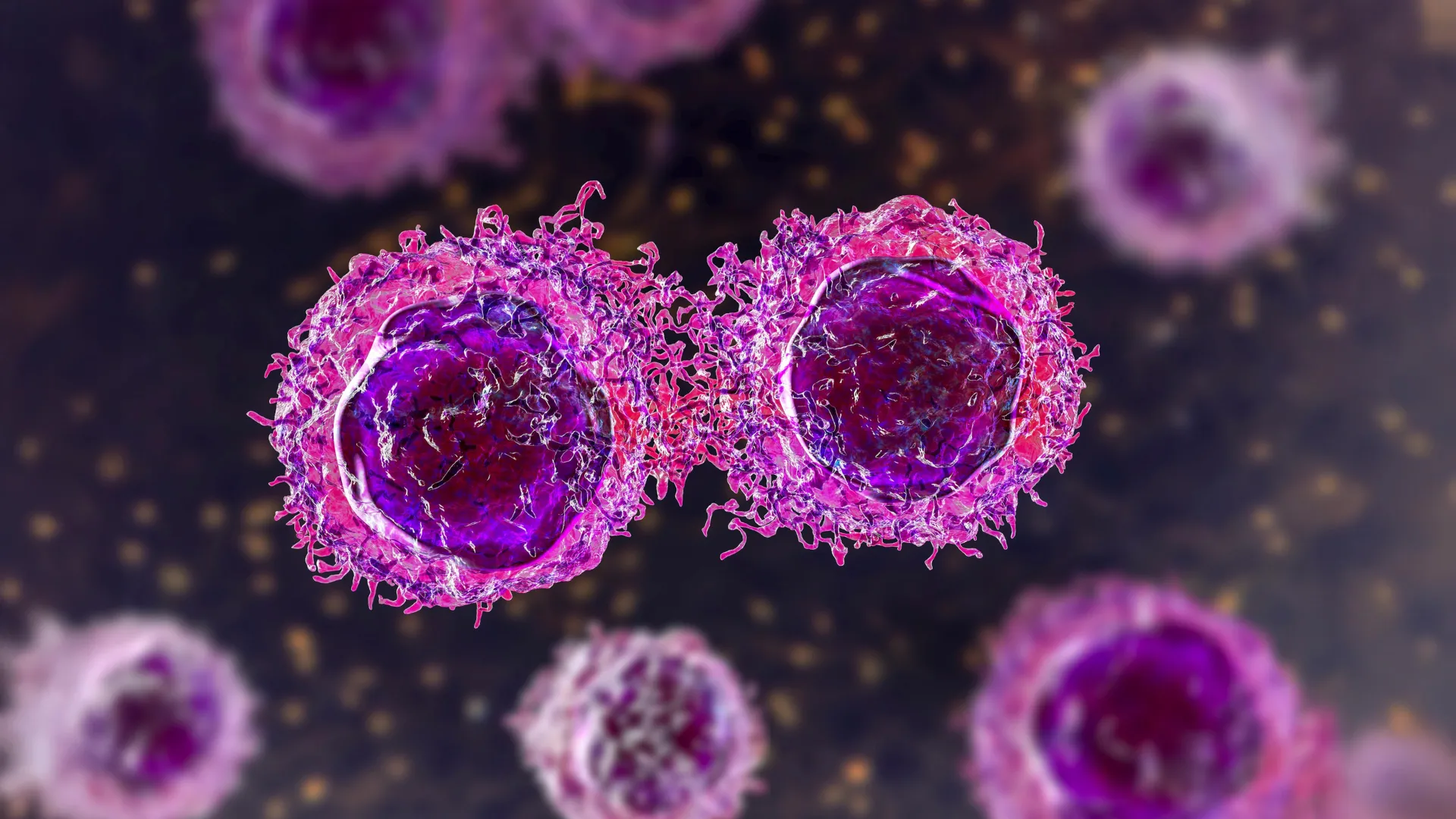
In the complex, microscopic theater of a tumor, cancer cells are masters of disguise. For years, oncologists have understood that these malignant cells employ various strategies to evade the human immune system—the body’s primary defense force. One of the most insidious of these strategies involves the creation of a "sugar shield," a dense, protective coating known as the glycocalyx. By cloaking themselves in these sugar-derived molecules, cancer cells effectively become invisible to the T-cells and natural killer cells tasked with patrolling the body for threats.
Now, a groundbreaking study published August 7, 2026, in the journal Science Advances has peeled back the curtain on this camouflage mechanism. Researchers at the Sanford Burnham Prebys Medical Discovery Institute, in collaboration with institutions across North America, have identified the precise environmental triggers that empower cancer cells to build this protective barrier. The discovery suggests that our own metabolic health—specifically blood sugar levels—might be acting as an unwitting accomplice in tumor progression.
The Biophysical Architecture of a Tumor
To understand how this coating is formed, the research team, led by Dr. Kevin Tharp, assistant professor in the Cancer Metabolism and Microenvironment Program at the Sanford Burnham Prebys NCI-Designated Cancer Center, focused on the "tumor microenvironment." This ecosystem is far more than just a cluster of malignant cells; it is a chaotic, interconnected landscape of immune cells, blood vessels, connective tissue, and specialized proteins.
Dr. Tharp, who has long specialized in how physical forces impact mitochondrial function, hypothesized that the stiffness of a tumor plays a critical role in its metabolic identity.
"Primary tumors are typically stiffer than their surrounding tissue," Dr. Tharp explains. "This led me to hypothesize that the biophysical properties of cells influence the altered metabolic programs that everyone observes in tumors."
In a healthy body, cells exist in a soft, pliable environment. Within a tumor, however, the physical pressure and structural rigidity force cells to adapt. Dr. Tharp’s team sought to replicate these conditions in the laboratory, comparing cells grown in stiff, tumor-like environments against those in soft, healthy-tissue environments.
Experimental Methodology: Simulating the Human Body
The research team designed a sophisticated experimental model to observe these cells. They utilized two primary variables: physical substrate stiffness and nutrient composition.
Crucially, the team recognized that standard laboratory culture media often fail to replicate the complex nutrient profiles found in the human body. By formulating a "physiological medium" that closely mimics the actual human environment, they were able to observe biological responses that had previously remained hidden in traditional Petri dish studies.
The researchers introduced a range of glucose concentrations into these cultures, effectively simulating both normal blood sugar levels and the state of hyperglycemia often seen in patients with metabolic syndrome or type 2 diabetes. By observing the cells through these varied lenses, the team discovered that the "sugar shield" was not a constant feature, but a dynamic response to the cell’s surroundings.
Findings: High Glucose as a Catalyst for Camouflage
The results were stark. The researchers observed that excess glucose significantly increased the thickness of the glycocalyx, but only when the cells were grown in the physiological medium. This indicates that the combination of a high-glucose environment and the specific nutrient composition of the human body triggers a metabolic shift that encourages the cell to synthesize more protective carbohydrates.
These carbohydrates—known as glycoconjugates—are attached to the surface of the cell, effectively creating a physical barrier. Because glucose provides the raw building materials for these glycoconjugates, the study confirms that the availability of sugar in the microenvironment directly dictates the density of the tumor’s camouflage.
"We observed that changing the physiological media composition and changing the available metabolites for those tumor cells reveals distinct biology for normal and tumor cell metabolism," Dr. Tharp noted.
HSF1: The Master Architect of the Sugar Shield
Identifying that glucose contributed to the shield was only half the battle. The team then needed to understand the biological machinery driving this synthesis. Through a series of protein expression analyses, they identified Heat Shock Factor 1 (HSF1) as the primary engine behind the process.
HSF1 is a well-documented protein known for its role in cellular stress responses, helping cells survive extreme temperatures and other hostile conditions. However, in the context of cancer, HSF1 takes on a more sinister role. The research team demonstrated that when cells are exposed to high glucose, HSF1 activity increases, leading to a reorganization of how glycoconjugates are assembled on the cell surface.
When the researchers removed HSF1, the thickness of the glycocalyx decreased, regardless of glucose levels. This confirmed that HSF1 is not just a participant, but a necessary mediator in the process of building the tumor’s immune-evading shield.
Implications for Immunotherapy and Metastasis
The implications of this study are profound, particularly as global rates of metabolic syndrome and type 2 diabetes continue to rise. Epidemiological data has long suggested a correlation between high blood sugar and an increased risk of cancer, as well as poorer survival outcomes. Until now, the exact "why" behind this link remained largely speculative.
This study provides a clear, mechanistic link: hyperglycemia is not just a metabolic issue; it is a tumor-promoting event that directly facilitates immune evasion.
For clinicians and drug developers, this opens a new frontier in cancer therapy. If the glycocalyx can be stripped away, the immune system—which may already be primed to fight the cancer—could finally "see" the tumor and launch a successful attack.
"Our findings indicate that changes in mitochondrial function lead to the synthesis of cell surface sugar-derived molecules that make it difficult for the immune system to recognize and kill cancer cells," Dr. Tharp said. "Now that we know this, this creates an enormous drug discovery opportunity to take away the surface coating that protects them from immune surveillance. We think this will be a really effective strategy to attack metastatic disease and improve immunotherapy responses."
A New Strategy for Treatment
The research team suggests that HSF1 inhibitors, a class of drugs currently being explored in various oncology trials, could serve as a "de-cloaking" agent. By inhibiting HSF1, physicians might be able to thin the glycocalyx of a tumor, rendering the cancer cells vulnerable to existing immunotherapies, such as checkpoint inhibitors or CAR-T cell therapy.
Furthermore, this study highlights the growing importance of metabolic health in cancer care. As more patients present with both oncological and metabolic conditions, the management of blood glucose levels may become a vital component of the cancer treatment plan, potentially preventing the tumor from building its shield in the first place.
Looking Ahead
While the findings are promising, the researchers emphasize that further studies are needed to translate these laboratory successes into clinical applications. The next steps will involve testing whether pharmacological inhibition of HSF1 can successfully reduce the glycocalyx in human patients and whether this reduction leads to the expected surge in immune-mediated tumor clearance.
The study, supported by the National Institutes of Health, the National Cancer Institute, the National Foundation for Cancer Research, the Canada Excellence Research Chair in Glycomics, and the Ovarian Cancer Research Alliance, serves as a significant milestone. It bridges the gap between basic metabolic science and translational oncology, offering a glimmer of hope that one of the most stubborn hurdles in cancer treatment—immune evasion—might finally be within our reach to dismantle.
As we move toward a future of precision medicine, the ability to tailor treatments to a patient’s metabolic profile may prove to be the difference between remission and progression. By stripping away the sugar shield, scientists are moving one step closer to ensuring that the immune system never loses sight of its target.