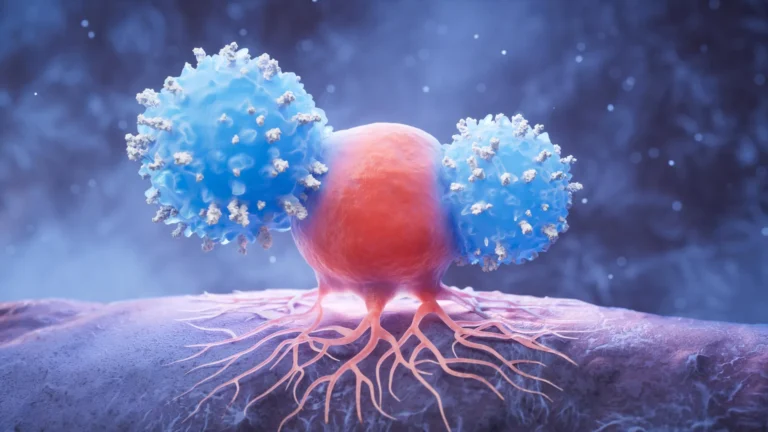
While immunotherapy has ushered in a new era of cancer treatment, its success has been largely confined to blood-borne malignancies. For decades, the "hard-to-crack" fortress of solid tumors—ranging from lung and skin cancers to head and neck carcinomas—has resisted the most advanced immune cell therapies. Now, a team of researchers at Stanford Medicine has unveiled a breakthrough strategy that could fundamentally shift the paradigm of cancer care: the transformation of natural killer (NK) cells into specialized, tumor-infiltrating "assassins."
Published recently in Science Translational Medicine, the study details a method to engineer tissue-resident natural killer cells that not only bypass the physical barriers of solid tumors but actively dismantle them. By moving away from personalized, patient-derived cell therapies toward a scalable, "off-the-shelf" model, this innovation promises to make cutting-edge immunotherapy accessible to a much broader population of patients.
The Fortress Problem: Why Solid Tumors Resist Immunity
For years, the gold standard of cellular immunotherapy has been CAR-T cell therapy, which involves extracting a patient’s own T cells, genetically engineering them to recognize cancer, and re-infusing them into the bloodstream. While miraculous for leukemia and lymphoma, this approach falters against solid tumors.
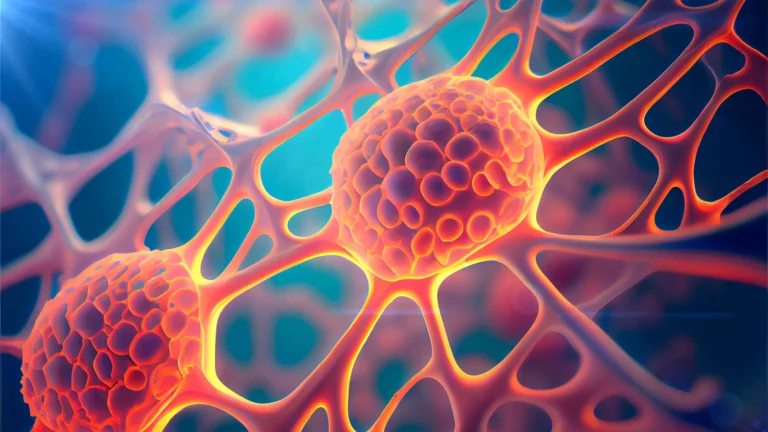
Solid tumors are biologically sophisticated. They are not merely clusters of malignant cells; they are complex ecosystems that create a physical and chemical shield. Dense connective tissue often prevents immune cells from reaching the tumor’s core, and the tumor microenvironment itself frequently releases immunosuppressive signals that "deactivate" or exhaust incoming immune cells.
"For a long time, the study of immunology and disease in humans was concentrated on the blood immune cells," says Dr. John Sunwoo, the Edward C. and Amy H. Sewall Professor at Stanford Medicine and the study’s senior author. "But with the advancement of tools and bioinformatics, we are now starting to look more at what’s going on in tissue. For most immune cells, the tissue is where the action is."
A Chronology of Discovery: From Blood to Tissue
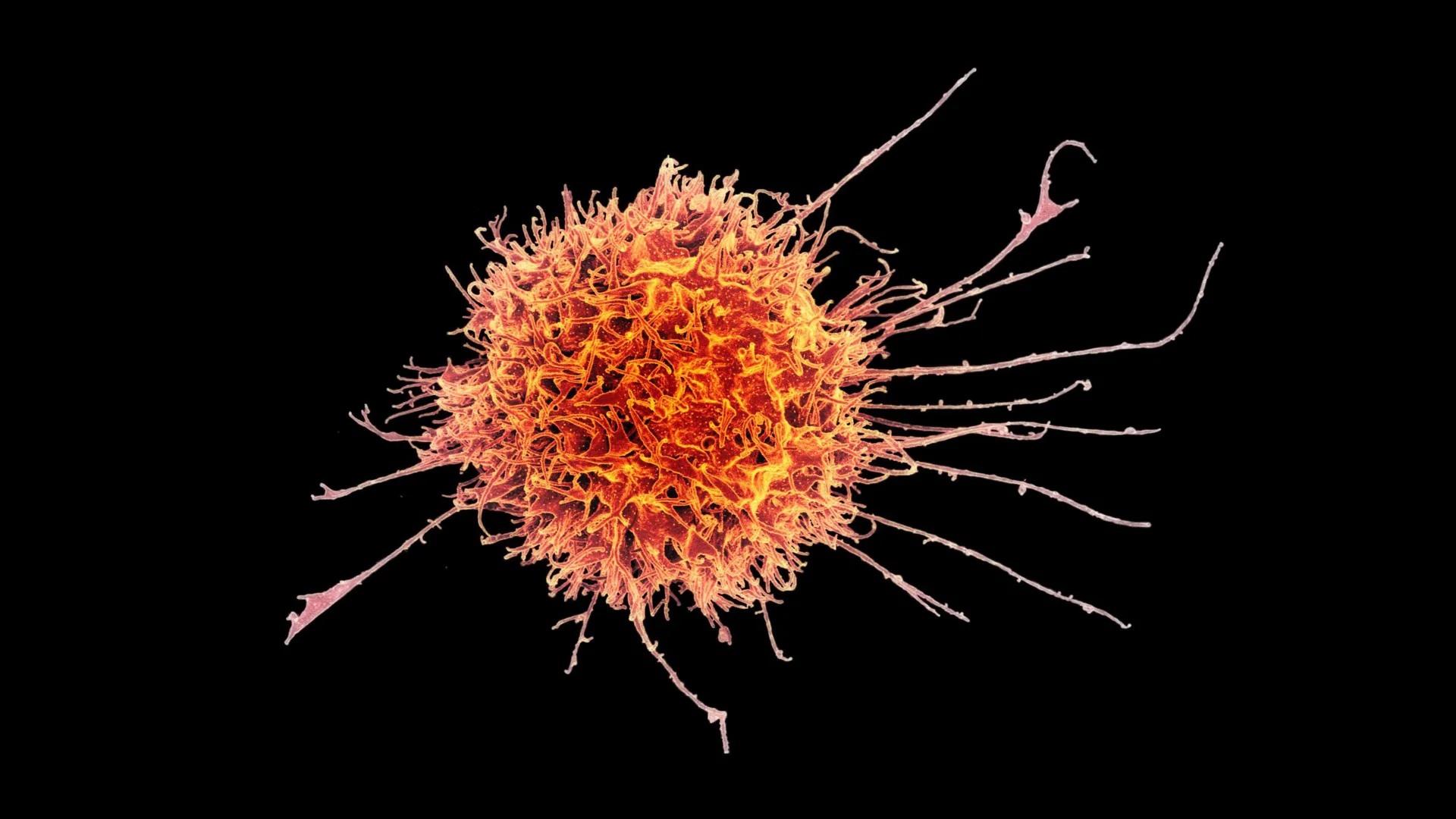
The path to this discovery required a shift in how scientists view the life cycle of natural killer cells. Identified in the 1970s, NK cells are the immune system’s "first responders," capable of identifying and killing virally infected or cancerous cells without the need for prior sensitization—a key advantage over T cells.
Historically, immunology focused on NK cells circulating in the blood. However, researchers increasingly recognized that some NK cells migrate into tissues like the skin, liver, and lungs, taking on "tissue-resident" roles. The challenge was that these cells seemed inconsistent: some were highly aggressive, while others appeared to suppress immune responses.
The "Goldilocks" Signal
Sunwoo’s team, led by co-lead authors Nina Horowitz, Imran Mohammad, and June Ho Shin, sought to understand the biological trigger that dictates these divergent roles. Their hypothesis centered on Transforming Growth Factor-beta (TGF-β), a signaling protein prevalent in tumor microenvironments.
Through meticulous experimentation, the team discovered a delicate balance. If exposed to too little TGF-β, the cells failed to become tissue-resident. If exposed to too much, they became dysfunctional and immunosuppressive—a phenomenon observed in the body during pregnancy, where these cells help protect the fetus from the maternal immune system.
The "Goldilocks" solution involved a precise, short-term exposure to TGF-β through direct physical contact with epithelial tumor cells. This specific interaction acted as the "switch," training the NK cells to become highly effective, aggressive killers that could infiltrate tumors and survive within them.
Supporting Data: The Power of Targeted Destruction
The efficacy of these engineered cells was demonstrated through a series of rigorous laboratory and preclinical trials.
- Infiltration and Potency: When compared to conventional NK cells, the tissue-resident variants demonstrated a significantly higher capacity to penetrate tumor organoids—miniature 3D tumor models grown in the lab.
- Molecular Armor: The researchers identified that these potent cells were distinguished by the expression of CD49a, CD103, and crucially, CD39. Furthermore, they were armed with a higher concentration of "molecular machinery," including perforin (which punctures tumor cell membranes) and granzyme A (a potent toxin that triggers cell death).
- In Vivo Success: In mouse models, the team injected the modified NK cells into subjects with human melanoma and head and neck squamous cell carcinoma. The results were striking: tumor growth was significantly suppressed.
- Synergistic Therapy: The most profound results emerged when the NK cells were paired with cetuximab, an FDA-approved monoclonal antibody. Cetuximab acts as a "homing beacon," marking cancer cells for destruction. While cetuximab often struggles when used as a monotherapy, its combination with the new NK cell treatment yielded long-term suppression of tumor growth without observable side effects in the test subjects.
Official Responses and Clinical Implications
The implications of this study are profound, particularly regarding the scalability of the therapy. Current cell therapies are notoriously expensive and slow to produce, as they require harvesting and manufacturing from the patient’s own body.
"It would be almost an off-the-shelf drug," Dr. Sunwoo explains. Because NK cells do not typically trigger an immune rejection (graft-versus-host disease) when transferred between individuals, they can be harvested from healthy donors, processed into the "tissue-resident" state in large batches, and cryopreserved.
Accessibility and Scale
According to the research team, a single donor could potentially provide enough material for approximately 20 treatment doses, ready for clinical use within a two-week production cycle. This eliminates the "waiting room" period that often proves fatal for patients with aggressive, rapidly advancing solid tumors.
"It could make cell therapy much more accessible to a wider variety of patients," Sunwoo noted. By streamlining the supply chain and moving away from autologous (patient-specific) manufacturing, the Stanford team is laying the groundwork for a standardized product that could be shipped to hospitals and administered immediately.
Moving Toward the Clinic
The momentum behind this discovery is building rapidly. Sunwoo and his colleagues are already preparing for a Phase I clinical trial aimed at patients with advanced squamous cell carcinoma. Pending FDA approval, the study could begin enrollment by the end of the year.
The research, which also involved contributions from Ohio State University and the Washington University School of Medicine, highlights a new era in cancer immunology. By viewing the tumor not as a solid wall, but as an environment that can be manipulated, scientists are turning the tide.
While the researchers remain appropriately cautious—emphasizing that mouse studies are merely "proof of concept"—the jump from petri dish to patient is now well within sight. If the clinical trials mirror the preclinical data, the "off-the-shelf" tissue-resident NK cell could become a cornerstone of future oncology, finally bringing the promise of immunotherapy to the most difficult-to-treat solid cancers.
This work was supported by the National Institutes of Health, the Tai Tsun Wu Research Fund for Natural Killer Cell Immunotherapy, and the Stanford Bio-X Fellowship, underscoring the collaborative, multidisciplinary nature of the effort to redefine how we fight cancer.