









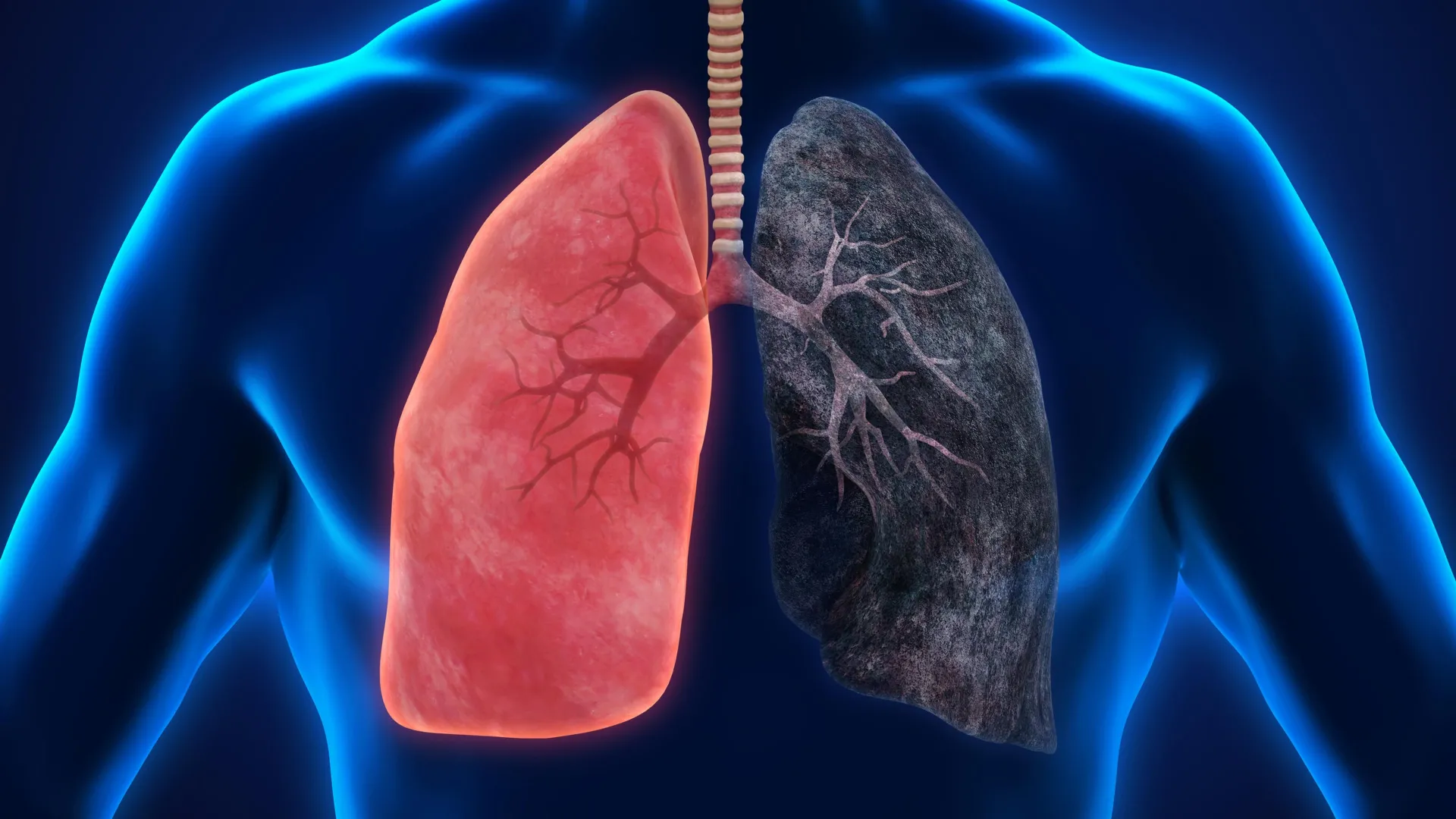
As the legal landscape for cannabis continues to shift across the United States, a widespread public perception has taken root: that marijuana is a largely benign, natural alternative to more harmful substances. While advocates often point to its therapeutic potential, the clinical reality regarding its long-term impact on oncology is far more nuanced. As the prevalence of cannabis use rises, the medical community is intensifying its scrutiny of the drug’s potential carcinogenic properties.
For decades, the causal link between tobacco smoking and lung cancer has been the gold standard of public health warnings. Today, researchers are attempting to determine if marijuana smoke carries similar, or perhaps distinct, biological dangers. Brooks Udelsman, MD, a thoracic surgeon with USC Surgery at Keck Medicine of USC, emphasizes that while the conversation is still evolving, the scientific community is no longer treating the "marijuana is safe" narrative as a foregone conclusion.
The Emerging Body of Evidence: A Chronology of Concern
The journey to understand the oncological implications of marijuana is relatively recent compared to the century-long study of tobacco.
Early Observations
For years, the medical community lacked sufficient longitudinal data to draw definitive conclusions about cannabis. Because marijuana was classified as a Schedule I substance for decades, clinical trials were heavily restricted. Early studies often relied on self-reported data, which can be inconsistent. However, as legalization broadened the user base, the volume of data available to researchers at institutions like Keck Medicine of USC has grown exponentially, allowing for more robust statistical analysis.
Recent Breakthroughs in Clinical Research
A pivotal shift occurred with recent studies led by Dr. Niels Kokot, an otolaryngologist at the USC Caruso Department of Otolaryngology—Head and Neck Surgery. These studies have provided some of the most compelling evidence to date regarding heavy cannabis use.
Dr. Kokot’s research found that individuals who consume significant amounts of marijuana face a statistically significant increase in the risk of both small cell lung cancer and non-small cell lung cancer. Perhaps more alarming is the data regarding head and neck malignancies. Dr. Kokot and his colleagues reported that daily marijuana users are 3.5 to 5 times more likely to develop cancers of the mouth, pharynx, larynx, oropharynx (including the tongue and tonsils), and salivary glands compared to non-users.
Supporting Data: Mechanisms of Carcinogenesis
The question remains: Why would a plant-derived substance cause the same cellular mutations as industrial tobacco? The answer lies in the chemistry of combustion and the biological response to chronic irritation.
The Inflammation-Cancer Axis
Dr. Udelsman notes that the primary driver of cancer risk in any inhaled substance is chronic, long-lasting inflammation. When we inhale smoke, we subject the delicate tissues of the respiratory tract to a barrage of thermal and chemical stressors.
Tobacco smoke is notoriously toxic, containing over 7,000 chemicals, with at least 70 recognized as established carcinogens. While the chemical composition of marijuana smoke is different, there is a significant overlap in the combustion byproducts. Both forms of smoke produce polycyclic aromatic hydrocarbons (PAHs), which are known to damage DNA and trigger cellular mutations.
The Role of THC and Cellular Damage
Intriguingly, research suggests that THC, the primary psychoactive compound in marijuana, may play a role in this process. THC has been associated with the conversion of PAHs into even more reactive compounds that can infiltrate lung tissue, causing persistent damage to air sacs (alveoli) and promoting a pro-inflammatory environment. As Dr. Udelsman explains, "Anytime inflammation and changes to DNA occur, you’re at risk for developing cancer."
Official Responses and Expert Perspective
The medical community is currently divided between caution and the need for more granular data. While researchers are not calling for a return to total prohibition, they are urging a more realistic appraisal of consumption habits.
Dose-Response Relationships
One of the most pressing questions for clinicians is the "dose-response" curve. At what point does a recreational habit become a health hazard?
Dr. Udelsman acknowledges the current ambiguity: "What we don’t know right now is the dose relationship. If someone smokes marijuana occasionally—once a week, once a month, or a few times a year—do they still have that same risk? My suspicion is that there is probably minimal risk."
The focus of the medical community remains on "heavy" users—those who have developed a dependency or require medical intervention for their consumption. It is this demographic that current data suggests is at the highest risk for malignancy, mirroring the patterns historically observed in heavy tobacco smokers.
The Edibles Question
For those concerned about cancer risk, the mode of administration matters. Because many of the carcinogens identified in marijuana are produced through combustion, there is a strong hypothesis that non-smoked methods, such as edibles, carry a significantly lower, if not negligible, risk of lung cancer.
"Probably not," says Dr. Udelsman, regarding the link between edibles and lung cancer. "The risk is harder to track because there isn’t a lot of data on it yet, but as of now, there does not seem to be a relationship between edibles and lung cancer." However, he cautions that we still do not know if non-smoked cannabis might have impacts on other organ systems, such as the liver or gastrointestinal tract, necessitating further study.
Implications: Vaping, Secondhand Smoke, and Future Directions
As smoking habits evolve, so too do the ways in which we consume cannabis. The rise of vaping has introduced a new variable into the equation.
The Vaping Uncertainty
The electronic cigarette and vape industry is a double-edged sword. While initially marketed as a "safer" alternative, the reality of vaping is proving to be complex. Because widespread vaping has only been common for roughly 15 years, it is currently impossible to determine its long-term cancer risk.
"The data on vaping is very new, so we don’t know yet," says Dr. Udelsman. "But I’d worry about anything you’re breathing into your lungs because it infiltrates the cells and air sacs in your lungs, which can cause damage and put you at a higher risk for cancer." Doctors are already observing severe inflammatory lung diseases linked to vaping, even if the direct link to lung cancer remains unproven.
The Risk of Secondhand Exposure
Similarly, the impact of secondhand marijuana smoke is an area of significant concern. While definitive evidence is currently lacking, the principle of inhalation holds: if the smoke contains inflammatory particles and PAHs, those in the immediate vicinity are likely inhaling them. Dr. Udelsman suggests that while we cannot yet quantify the risk to bystanders, it is prudent to assume that exposure to secondhand cannabis smoke is not without potential harm.
Broader Oncological Scope
Researchers are currently expanding the scope of their studies to determine if heavy marijuana use is linked to other malignancies, such as bladder and gastrointestinal cancers. Given that tobacco is a known risk factor for bladder cancer, the medical community is investigating whether the chemical profile of marijuana smoke shares this particular danger.
Conclusion: Toward Informed Consumption
Despite these findings, experts are not predicting a widespread lung cancer epidemic solely from recreational marijuana use. The consensus remains that the risk appears to scale with the intensity and frequency of use.
"I worry less about occasional use and the slight inflammation that it might cause for a temporary period," Dr. Udelsman notes. "Your body probably recovers from that very quickly. I’m more worried about chronic, heavy exposure: people who are using marijuana every day, multiple times a day."
For individuals who find themselves in this category of heavy use, the most responsible course of action is to have an open, honest conversation with a primary care physician or a specialist. Understanding one’s personal risk profile—based on family history, duration of use, and frequency—can help patients make informed decisions about their health and determine if additional screening is necessary. As the research matures, the goal remains clear: to ensure that the public is fully informed of the potential consequences of their choices, stripping away the haze to reveal the facts beneath.