









By Health Science Correspondent
February 2026
In an era where cardiovascular health remains a global public health priority, a robust new study offers a compelling case for the power of nutrition. Research published on February 4, 2026, in Neurology Open Access, the journal of the American Academy of Neurology, suggests that adherence to a Mediterranean-style diet may be one of the most effective, accessible tools for women to lower their risk of stroke.
The study, which tracked over 105,000 women across more than two decades, provides some of the most comprehensive data to date on the long-term relationship between dietary patterns and neurological health. While the findings stop short of claiming that the diet acts as a direct medicinal preventative, the strong correlation between high adherence scores and reduced stroke incidence offers a roadmap for preventative health strategies.
The Core Findings: A Shift in Neurological Protection
The study’s headline finding is clear: women who most closely align their eating habits with the principles of the Mediterranean diet experience lower rates of both ischemic and hemorrhagic strokes.
Ischemic strokes, which account for the vast majority of cases, occur when a clot blocks blood flow to the brain, depriving neurons of essential oxygen. Hemorrhagic strokes, though less common, are often more severe, caused by the rupture of a blood vessel that leads to bleeding within the brain. The research highlights that the Mediterranean diet’s benefits are not limited to one mechanism but appear to offer a comprehensive layer of protection for the cerebrovascular system.
According to the data, when researchers adjusted for confounding variables such as smoking status, physical activity levels, and pre-existing hypertension, the results remained statistically significant. Women in the highest tier of diet adherence were 18% less likely to suffer a stroke of any kind compared to those with the lowest adherence. Specifically, the risk of ischemic stroke was reduced by 16%, while the risk of the more dangerous hemorrhagic stroke was reduced by 25%.
Defining the Mediterranean Blueprint
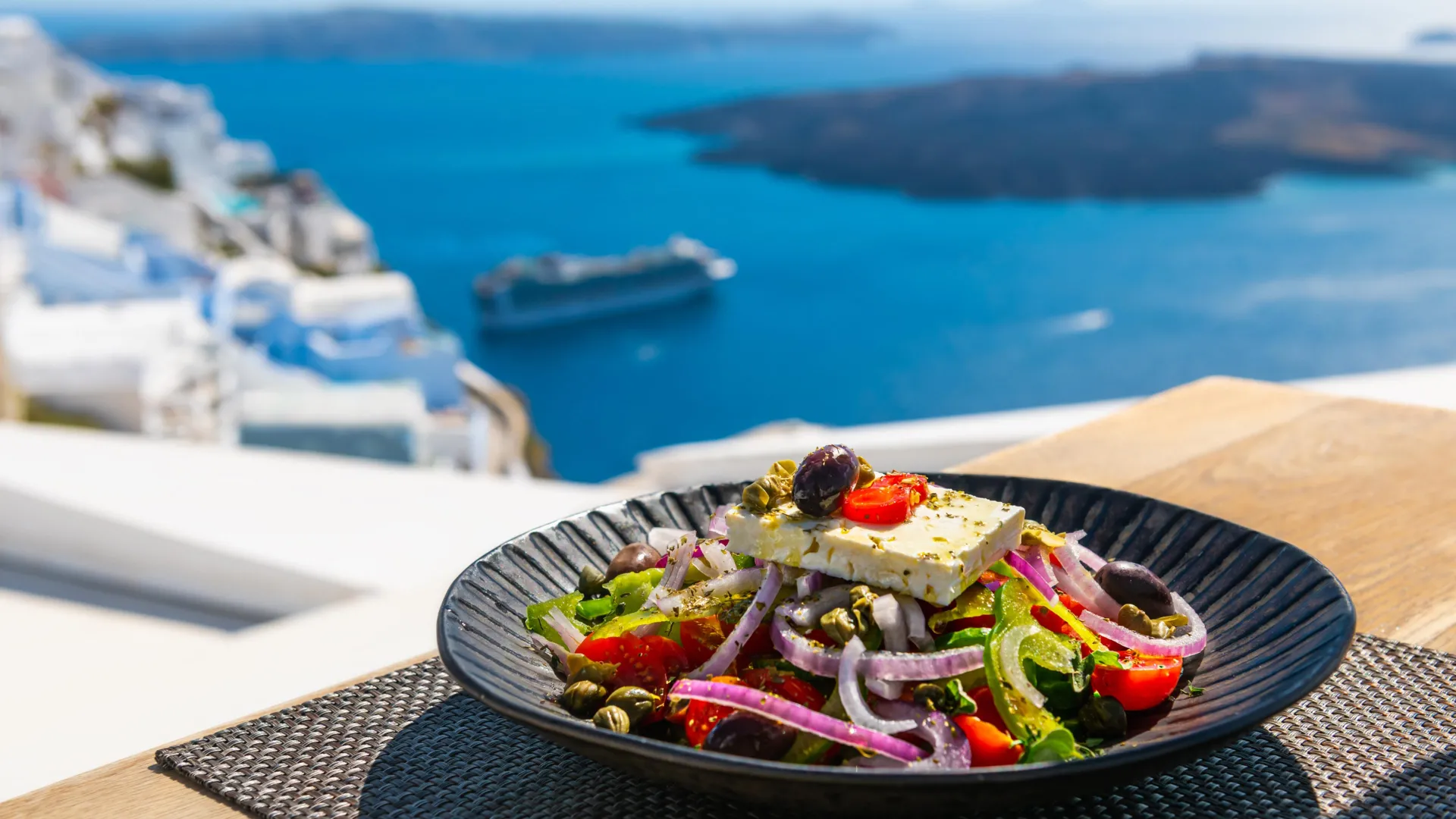
To understand why this dietary pattern holds such potential, one must look at its foundational pillars. The Mediterranean diet is less a restrictive "regimen" and more a lifestyle centered on whole, unprocessed foods. It emphasizes:
- Plant-Forward Nutrition: A heavy reliance on vegetables, fruits, legumes, and whole grain cereals.
- Healthy Fats: Replacing saturated fats—found in butter, high-fat dairy, and red meats—with monounsaturated fats, primarily through the use of olive oil.
- Lean Protein: Prioritizing fish as the primary protein source, which provides essential omega-3 fatty acids known to support heart and brain health.
- Moderation: Limiting the intake of processed sugars, red meat, and dairy products.
This nutritional profile is believed to combat systemic inflammation and oxidative stress, two physiological processes that contribute to the hardening of arteries and the formation of plaques, which are precursors to both stroke and heart disease.
A Two-Decade Chronology: How the Data Was Gathered
The scale of this study is what distinguishes it from previous research. The research team followed a cohort of 105,614 women, all of whom were stroke-free at the inception of the project. The participants, who had an average age of 53, underwent a meticulous baseline evaluation.
Phase 1: Dietary Baseline
At the start of the study, each participant completed a detailed nutritional questionnaire. Researchers developed a scoring system ranging from zero to nine. Participants received a point for each category where they exceeded the population average in consumption of "beneficial" foods (whole grains, fruits, vegetables, legumes, olive oil, and fish) and for moderate alcohol intake. They also earned points for keeping red meat and dairy intake below the population average.
Phase 2: Stratification
The data revealed a wide distribution in dietary habits. Approximately 30% of the cohort scored between six and nine, categorizing them as "high adherence." Conversely, 13% scored between zero and two, placing them in the "low adherence" group. This stratification allowed researchers to observe the divergence in health outcomes over the long term.
Phase 3: The Longitudinal Observation
Over an average follow-up period of 21 years, the researchers tracked clinical outcomes. During this window, there were 4,083 recorded strokes: 3,358 were ischemic, and 725 were hemorrhagic. The distribution of these events between the high-adherence and low-adherence groups provided the statistical weight for the study’s conclusions.
In the highest diet score group, researchers recorded 1,058 ischemic strokes. In contrast, the lowest group saw 395 cases. While the absolute numbers are influenced by the size of the groups, the comparative risk analysis confirmed that higher adherence was consistently linked to better outcomes.
Official Perspectives: Expert Commentary
Dr. Sophia S. Wang, the study’s lead author and a researcher at the City of Hope Comprehensive Cancer Center in Duarte, California, emphasized the significance of the results during a press briefing.
"Our findings support the mounting evidence that a healthy diet is critical to stroke prevention," Dr. Wang stated. She highlighted that the study provides a unique contribution to the field of neurology, particularly regarding the rarer, often more lethal, hemorrhagic stroke. "We were especially interested to see that this finding applies to hemorrhagic stroke, as few large studies have looked at this type of stroke. It broadens our understanding of how nutrition impacts different pathologies of the brain."
The study, which received funding from the National Institute of Neurological Diseases and Stroke, underscores a shift in how medical professionals view the intersection of diet and neurology. Rather than viewing the brain as an organ isolated from systemic health, researchers are increasingly treating cardiovascular and cerebrovascular health as a holistic outcome of long-term nutritional choices.
Implications for Public Health and Future Research
The implications of this study are far-reaching. Stroke remains one of the leading causes of death and long-term disability worldwide. The economic and social burden of stroke recovery is immense, making prevention the most cost-effective medical strategy.
Empowering Patient Autonomy
For women in the middle-age bracket, the study offers an actionable, non-pharmacological intervention. Unlike genetic predispositions or certain environmental factors that are difficult to control, dietary habits are within the individual’s sphere of influence. The study suggests that even incremental shifts toward a Mediterranean-style pattern could translate into significant long-term health benefits.
Addressing Study Limitations
Despite the compelling data, the researchers were transparent about the study’s limitations. The primary challenge remains the reliance on self-reported dietary data. Human memory is fallible, and participants may have inadvertently misremembered or misreported their food intake, potentially introducing "recall bias."
Furthermore, because this is an observational study, it identifies an association rather than a direct causality. It is possible that women who follow a Mediterranean diet also engage in other health-seeking behaviors—such as better sleep hygiene, lower stress levels, or better access to preventative medicine—that were not fully captured in the questionnaire.
The Path Forward
Dr. Wang and her colleagues believe these results should serve as a springboard for further investigation. Future research needs to focus on the biological mechanisms—the "why" behind the "what." Identifying the specific biomarkers affected by the Mediterranean diet could lead to a better understanding of how food influences the integrity of blood vessels in the brain.
As the scientific community continues to dissect the relationship between nutrition and neurology, this 21-year study stands as a significant milestone. It reinforces the ancient wisdom that the food on our plates is the foundation of our long-term vitality. For now, the message to the public is clear: a shift toward the Mediterranean way of eating is not just a trend, but a scientifically backed strategy for protecting the brain against the devastating effects of stroke.