










For decades, the public health mantra has remained consistent: a diet rich in fruits, vegetables, and whole grains is the cornerstone of longevity and disease prevention. This nutritional blueprint is widely cited by oncologists and nutritionists alike as a primary defense against a spectrum of chronic illnesses, including cardiovascular disease and various forms of cancer. However, a provocative new study from the USC Norris Comprehensive Cancer Center, part of Keck Medicine of USC, has surfaced, challenging our fundamental understanding of environmental risks and dietary habits.
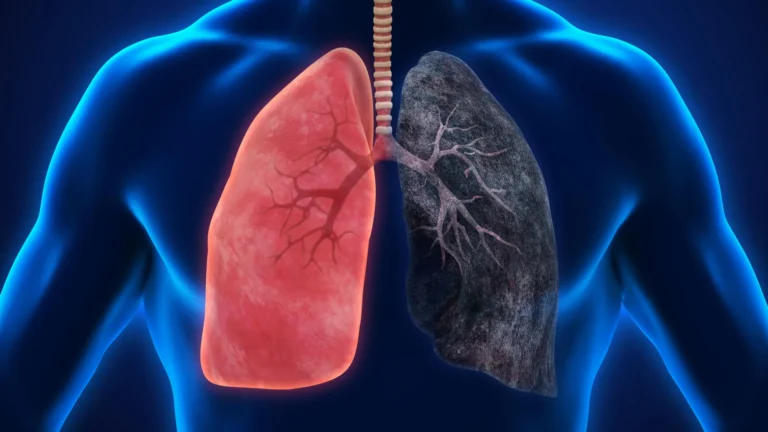
Presented at the annual meeting of the American Association for Cancer Research (AACR), the study introduces an unsettling possibility: younger Americans under the age of 50 who have never smoked and who consume more of these "healthy" foods than the general population may, counter-intuitively, face a higher risk of developing lung cancer.
The Core Findings: A Counter-Intuitive Pattern
The research team, led by Dr. Jorge Nieva, a medical oncologist and lung cancer specialist at USC Norris, launched an investigation into why lung cancer rates are shifting, particularly among younger cohorts who lack the traditional risk factor of tobacco use. The study findings suggest a distinct epidemiological pattern that defies conventional wisdom.
"Our research shows that younger non-smokers who eat a higher quantity of healthy foods than the general population are more likely to develop lung cancer," said Dr. Nieva. "These counter-intuitive findings raise important questions about an unknown environmental risk factor for lung cancer related to otherwise beneficial food that needs to be addressed."
It is critical to note that the researchers are not suggesting that fruits, vegetables, and grains are inherently carcinogenic. Instead, the study posits that the problem lies not in the nutritional value of the food itself, but in the chemical baggage it may carry. The hypothesis points toward pesticide exposure as a potential, previously under-investigated, environmental catalyst for lung cancer in this specific demographic.
The Rise of Lung Cancer in the "Young and Never-Smoked"
To contextualize these findings, one must first understand the changing landscape of lung cancer in the United States. Traditionally, lung cancer has been categorized as a disease of the elderly, with the average age of diagnosis hovering around 71. It has historically been synonymous with decades of tobacco use and, to a lesser extent, occupational hazards.
Since the mid-1980s, the United States has seen a steady, encouraging decline in smoking rates. Consequently, overall lung cancer incidence has plummeted. However, a specific subgroup has bucked this trend: non-smokers aged 50 and younger. In this cohort, lung cancer is becoming more prevalent, with a notable skew toward women. These patients often present with biological subtypes of the disease that differ significantly from the tobacco-related lung cancers seen in older populations.
In a 2021 study stemming from the same initiative—the Epidemiology of Young Lung Cancer Project—researchers identified that lung cancers in patients younger than 40 often possess unique genomic profiles, suggesting that the etiology of these cancers is fundamentally different from those triggered by cigarette smoke.
Methodology and Data: Decoding the Healthy Eating Index
The Epidemiology of Young Lung Cancer Project involved 187 participants who received a lung cancer diagnosis before reaching their 50th birthday. These individuals provided comprehensive data regarding their medical history, smoking status, demographic profile, and, crucially, their dietary habits.
To measure diet quality, the researchers utilized the Healthy Eating Index (HEI), a standardized tool used by federal agencies to assess how well a set of foods aligns with the Dietary Guidelines for Americans. The scale ranges from 1 to 100.
The results of the comparison were stark:
- The Study Group: The young, non-smoking lung cancer patients achieved an average HEI score of 65.
- The National Average: The general U.S. population maintains an average HEI score of 57.
Beyond the numerical index, the specific consumption patterns were telling. The lung cancer patients reported a higher daily intake of dark green vegetables, legumes, and whole grains compared to the typical American. Specifically, the patients consumed an average of 4.3 daily servings of greens and legumes and 3.9 servings of whole grains, compared to the national averages of 3.6 and 2.6, respectively.
The Pesticide Hypothesis: Investigating the Environmental Link
If the food is healthy, why might it be linked to disease? Dr. Nieva and his colleagues argue that the answer lies in the industrial supply chain. Commercially grown—non-organic—fruits, vegetables, and whole grains are frequently treated with a variety of pesticides, fungicides, and herbicides.
Dr. Nieva points to existing literature that has long established a link between agricultural workers with chronic, high-level pesticide exposure and elevated rates of lung cancer. The USC team suggests that while the general public is not exposed to the concentrated levels seen in agricultural work, the cumulative, low-dose exposure through diet may have a different, perhaps more insidious, effect on younger, more susceptible populations.
"Commercially grown fruits, vegetables, and whole grains generally contain higher levels of pesticide residues than dairy products, meat, and many processed foods," Nieva explained. By consuming these products at a higher frequency than the average citizen, the study participants may have inadvertently been subjected to a higher cumulative burden of pesticide residues.
Gender Disparities and Biological Variables
The study also highlighted a significant gender component. Women under 50 who have never smoked are developing lung cancer at a higher rate than their male counterparts in the same age bracket. The data further revealed that, within the study population, women tended to consume higher quantities of plant-based foods than men, providing a possible—though not yet confirmed—correlative link between higher healthy food intake and increased risk in women.
The emergence of these gender-specific patterns suggests that hormonal factors, combined with environmental exposures, might create a unique susceptibility to lung cancer in young women that warrants immediate and targeted research.
Implications for Public Health and Future Research
While the findings are compelling, the research team is careful to emphasize that the link between pesticide-heavy diets and lung cancer remains a hypothesis, not a proven fact. The study did not directly measure pesticide levels in the patients’ bodies; instead, it relied on population-level data regarding average pesticide residues on various food categories.
"This work represents a critical step toward identifying modifiable environmental factors that may contribute to lung cancer in young adults," Dr. Nieva stated. "Our hope is that these insights can guide both public health recommendations and future investigation into lung cancer prevention."
The next phase of the research, which is already underway, aims to move from statistical correlation to direct biological evidence. The team plans to measure pesticide metabolites directly in the blood and urine of patients. This objective, biomarker-based approach will be essential to determine if specific types of pesticides are more strongly associated with lung cancer risk than others.
The Path Forward: Balancing Nutrition and Safety
The paradox presented by this research places consumers and policymakers in a difficult position. For decades, the message has been to "eat more greens." If those greens are indeed a vector for carcinogens, the solution is not to abandon a healthy diet, but to refine our food safety standards and agricultural practices.
Public health advocates may soon be forced to grapple with the "organic vs. conventional" debate through the lens of cancer prevention. If pesticide residue is a significant factor in the rising incidence of lung cancer among young non-smokers, then access to organic, pesticide-free produce could become a vital, yet potentially inequitable, health issue.
Furthermore, this study serves as a stark reminder that environmental health is often invisible. While we have made massive strides in reducing tobacco-related cancer, the "hidden" exposures in our water, air, and food supply require the same level of rigorous scientific scrutiny.
The research was supported by a coalition of organizations, including the Addario Lung Cancer Medical Institute, AstraZeneca, the Beth Longwell Foundation, Genentech, GO2 for Lung Cancer, and Upstage Lung Cancer. Federal support was provided by the National Institutes of Health (grant R25CA225513) and the National Cancer Institute (grant P30CA014089).
As the scientific community awaits further data from the USC team, the message to the public remains one of caution, not alarm. Maintaining a nutritious diet remains essential for overall health, but the study highlights an urgent need for more robust regulatory oversight of pesticide use and a deeper, more nuanced investigation into the environmental factors shaping the future of oncology. The fight against lung cancer, it seems, is evolving—moving beyond the smoker’s pack and into the heart of our food systems.