








For decades, the medical community and the general public have operated under a series of persistent myths regarding chronic pain. We are told that children are too young to suffer from debilitating conditions, that young adults are merely "exaggerating" because they look healthy, and that for the elderly, pain is simply the inevitable "tax" of aging.
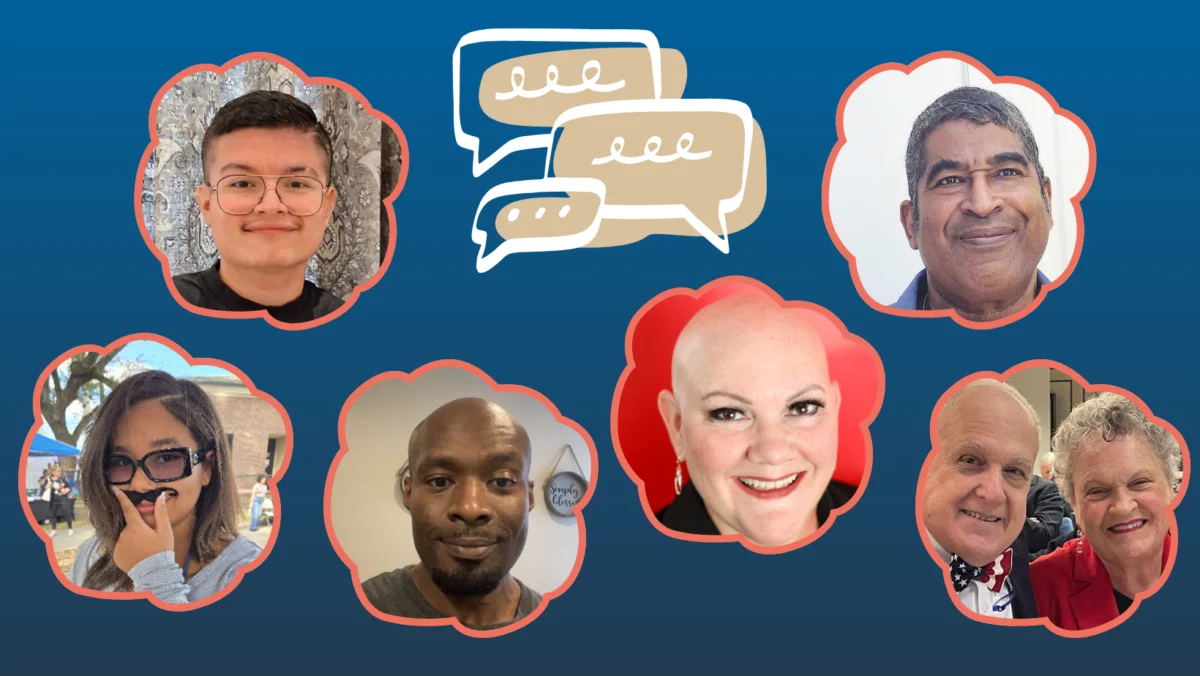
However, these misconceptions create a dangerous environment of invalidation for the millions of Americans living with chronic, non-malignant pain. The U.S. Pain Foundation recently conducted a series of interviews with individuals ranging from age 10 to 77, revealing a universal truth: pain does not discriminate by age. While the manifestations of chronic pain evolve across the human lifespan, the systemic struggle for recognition, empathy, and effective treatment remains a constant, grueling challenge.
The Spectrum of Suffering: A Chronological Look at Chronic Pain
To understand the breadth of this issue, one must look at how chronic pain intersects with different developmental stages. The experiences of those living with these conditions provide a stark map of a life interrupted.
The Childhood Burden: Amerie, 10
For 10-year-old Amerie, who has lived with a complex web of conditions—including fibromyalgia, neuropathy, and chronic migraine—since she was two, pain is not an abstract concept; it is her reality. "Sometimes living with pain at my age feels really unfair," she explains. "I understand what’s happening in my body, and I can explain it like an adult. When the pain gets bad, I can’t do the things other kids get to do." Amerie highlights a common frustration for pediatric patients: the expectation to perform in school and social settings as if their bodies were not in a state of constant, invisible revolt.
The Advocate’s Struggle: Mathiaz, 22
As patients transition into early adulthood, the challenge shifts from parental navigation to self-advocacy. Mathiaz, 22, who suffers from idiopathic intracranial hypertension and psoriatic arthritis, finds that his age is a barrier to being taken seriously. "People tend to not understand why I’m moving slower or why I have to call my days early," he notes. For Mathiaz, the primary burden is the constant need to justify his condition to peers and employers, who often mistake his physical limitations for lack of motivation.
The Mid-Life Disruption: Matthew, 33 and Katy, 45
In the prime of their careers and personal development, individuals in their 30s and 40s face a "loss of trajectory." Matthew, 33, speaks to the emotional toll of isolation, noting that it took years to realize he didn’t have to carry his burden alone. Meanwhile, Katy, 45, reflects on the "lost years" spent managing complex regional pain syndrome and failed back surgery syndrome. "I feel like I’ve fallen behind," she says, noting that while her peers have built careers and families, her energy has been entirely diverted into the management of her physical limitations.
The Wisdom and Fatigue of Senior Years: Christie, 56, and Reginald, 65
As patients reach their 50s and 60s, the battle for agency becomes paramount. Christie, 56, emphasizes the importance of self-education, noting that she has had to become her own medical advocate because the system lacks standardized treatments for conditions like Ehlers-Danlos syndrome. For Reginald, 65, the struggle is against societal stigma. He notes that elderly patients are frequently mislabeled as "drug seekers" rather than individuals suffering from legitimate autoimmune and neuropathic conditions.
The Care Partner’s Perspective: Marianne, 77
The crisis of chronic pain is not limited to the patient. Marianne, 77, who cares for her husband, Tom, provides a harrowing look at the intersection of caregiving and aging. "We are now doing this while both our bodies are degrading with age," she explains. The simple mechanics of daily life—like moving a new chair into a car—become logistical hurdles that highlight the fragility of the support systems currently in place for chronic pain households.
Supporting Data and the Scope of the Crisis
The narratives provided by these individuals are backed by staggering national statistics. According to the Centers for Disease Control and Prevention (CDC), an estimated 20% to 25% of U.S. adults—roughly 50 million people—live with chronic pain.
Despite the prevalence, the "invisible" nature of the symptoms continues to impede progress. Data from the U.S. Pain Foundation suggests that a significant percentage of patients fail to reach adequate pain control. This is not merely a failure of medication, but a failure of the care model. The "pain medication crisis" of the last decade has led to a reactionary shift in policy that often punishes the chronic pain patient, making it increasingly difficult for those in legitimate need to access responsible, long-term care.
Implications for the Healthcare System
The implications of these stories are clear: the current medical infrastructure is ill-equipped to handle the longitudinal reality of chronic pain.
- The Validation Gap: Patients across all age groups report that emotional validation is as critical as physical relief. When doctors or family members dismiss pain because a patient "looks fine," it creates a secondary trauma that exacerbates the physical symptoms.
- The Productivity Bias: Our society places a premium on physical productivity. When an individual’s body fails to meet these arbitrary standards, they are often cast aside. Christie’s point—that we must move away from viewing "productivity" as the only value worthy of investment—is a radical call for a societal shift in how we treat the disabled and the chronically ill.
- The Need for Interdisciplinary Care: As seen with Christie and Reginald, the complexity of these conditions—which often involve multiple systems (neurological, autoimmune, structural)—requires a team-based approach. The burden of coordinating this care should not rest on the patient’s shoulders.
Official Responses and the Path Forward
The medical community is slowly beginning to recognize that chronic pain is a distinct pathology that requires specialized, long-term management. Recent calls for increased funding for research into non-opioid pain management and the recognition of "central sensitization" as a legitimate clinical target are steps in the right direction.
However, the "official" response must go beyond the laboratory. Advocacy groups and policy experts are pushing for:
- Improved Medical Education: Integrating pain management and patient-centered communication into the standard medical school curriculum.
- Support for Caregivers: As evidenced by Marianne’s story, caregivers are the backbone of the chronic pain community. Providing financial, emotional, and physical support for caregivers is essential to keeping the system from collapsing.
- Destigmatization: A cultural shift is needed to decouple chronic pain from the stigma of addiction. When patients are treated as partners in their health, rather than liabilities, outcomes improve significantly.
Conclusion: A Call for Empathy
The stories of Amerie, Mathiaz, Matthew, Katy, Christie, Reginald, and Marianne serve as a poignant reminder that behind every statistic is a human life being lived in the shadow of persistent agony. Chronic pain does not wait for a "convenient" time to strike, and it does not respect the boundaries of age.
Ultimately, the most powerful tool we have in addressing this crisis is the one that costs nothing: empathy. By choosing to believe those who report pain, by advocating for better systemic resources, and by valuing human dignity above mere productivity, we can begin to build a society where those living with chronic pain are not just "managing to survive," but are supported in their pursuit of a life well-lived. As Reginald poignantly reminds us, the majority of these individuals suffer in silence. It is time for the rest of us to listen.