For many children and adolescents living with chronic pain, the world is often a series of barriers: inaccessible playgrounds, misunderstood medical needs, and the exhausting social labor of explaining why they cannot participate in “normal” activities. For one week each June, however, those barriers dissolve.
The fifth-annual Pediatric Pain Warrior Family Summer Camp, a signature initiative of the U.S. Pain Foundation’s Pediatric Pain Warrior Program, recently concluded at Morgan’s Camp in San Antonio, Texas. This year’s gathering marked a historic milestone, hosting a record-breaking 61 families—totaling more than 250 participants—for an immersive, Ultra-Accessible™ experience that redefined what is possible for families navigating the complexities of pediatric chronic pain.
A Sanctuary for the Underrepresented: The Main Facts
The Pediatric Pain Warrior Family Summer Camp is not merely a retreat; it is a meticulously engineered environment designed to replace the isolation of chronic illness with the strength of community. Held at the world-renowned Morgan’s Camp, the facility is purposefully designed to accommodate guests of all physical and cognitive abilities.
The five-day event brought together children and teens suffering from various pain conditions, their siblings, parents, grandparents, and guardians. The core objective of the program is to provide a judgment-free space where participants can move, play, and connect without the societal friction that typically accompanies chronic illness. By removing the need for explanations, apologies, or justifications for medical equipment—such as wheelchairs, oxygen tanks, or sensory aids—the camp creates a unique psychological landscape where the primary focus is not the condition, but the individual’s potential for joy.
A Chronology of Empowerment
The week was structured to balance high-energy physical activity with deep, meaningful introspection and education.
Days 1-2: Breaking the Ice and Breaking Barriers
Upon arrival, the atmosphere was one of palpable relief. For many families, this was their first time being in a space where everyone “speaks the language” of chronic pain. The first few days focused on fostering connections through team-building exercises and acclimating to the campus. Participants were introduced to the “Ultra-Accessible” amenities, which immediately challenged their expectations of what a summer camp could offer.
Days 3-4: The Joy of Participation
As the week progressed, the campers engaged in a whirlwind of activities that, in any other setting, might have been deemed off-limits due to accessibility concerns. Under the guidance of trained staff, children and teens traversed challenging ropes courses, scaled rock walls, and took flight on giant swings and zip lines.
The spirit of play extended beyond adrenaline-fueled activities. Campers raced miniature cars, navigated obstacle courses, went swimming, participated in water aerobics, rode horses, and interacted with therapy animals. During the evenings, the focus shifted to creative expression and shared social experiences, including a spirited Family Game Night and artistic workshops.
Day 5: Solidarity and Celebration
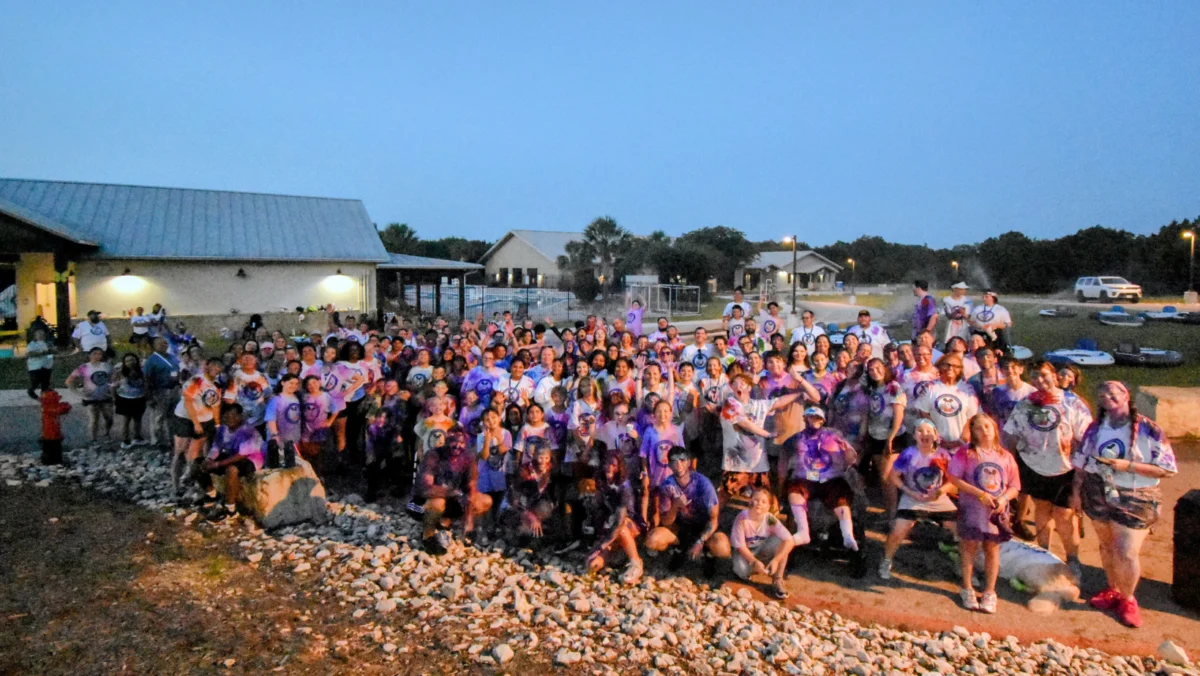
The final day was marked by the high-energy "Color Wars," a culminating event where families engaged in a friendly, paint-filled battle. The joy of the event served as a metaphor for the week: a messy, vibrant, and triumphant reclamation of childhood.
Supporting Data and Therapeutic Impact
The efficacy of the camp is measured not just in the number of attendees, but in the qualitative shifts in the families’ outlooks. Chronic pain is often an isolating experience that affects the entire family unit. The U.S. Pain Foundation’s approach addresses this by providing targeted support for every family member.
Peer Support Dynamics
A crucial component of the camp is the separation of support groups by role. Pediatric patients found solace among peers their own age, discussing the frustrations of invisible illness. Simultaneously, siblings—who often experience their own form of “shadow trauma” as they watch a brother or sister suffer—were provided with space to express their unique feelings.
Parents and guardians were given the opportunity to trade strategies for navigating the bureaucratic labyrinth of chronic illness. One session, led by Windy Rodriguez, a parent and patient services specialist, focused on the high-stakes issue of insurance denials. This peer-led education empowers families to return home better equipped to advocate for their children’s medical needs.
Educational Sessions: Bridging Science and Soul
Education at the camp is holistic, touching on the physical, mental, and creative facets of life with pain:
- Medical Literacy: Dr. Asha Patel Shah, head of Medical Affairs NA at Kenvue, provided expert insights on the intersection of skin health and pediatric pain, helping parents manage the secondary physical complications often associated with chronic conditions.
- Mental Health: Meredith de Saint-Albin, a social worker, therapist, and camp parent, facilitated deep-dive sessions on the psychological toll of parenting children in pain, validating the emotional exhaustion that parents often keep hidden.
- Artistic Therapy: Derek McCarty, an artist and parent, led workshops emphasizing how creative expression can serve as a non-pharmacological tool for pain management and emotional regulation.
Official Perspectives: The “Unspoken” Understanding
Casey Cashman, the director of the Pediatric Pain Warrior Program at the U.S. Pain Foundation, emphasizes that the camp’s greatest success is the removal of the “social tax” of chronic pain.
“What makes this camp so unique, and so life-changing, is that you don’t have to explain or apologize for your pain,” Cashman stated. “No one looks at you funny when you need to use your wheelchair or sit out for a bit. Everyone is in the same boat—and that gives these families what is often their first opportunity to take a breath and know that they are truly understood and accepted.”
Cashman further noted the long-term emotional impact of the gathering: “I truly believe this camp has saved lives. It has certainly changed hundreds of lives. We are grateful to the families who take a chance and step out of their comfort zones to join us each year.”
A Visual Statement: Flags for Headache
In a poignant alignment with Headache Awareness Month, the camp hosted a “Flags for Headache” installation. As a significant portion of the camp’s population lives with migraine or headache disorders, the display was deeply personal.
Hundreds of participants, draped in purple, planted individual flags across the camp grounds. This visual installation, supported by organizations including the Alliance for Headache Disorders Advocacy and the Danielle Byron Henry Migraine Foundation, turned the vast field into a sea of purple—a testament to the thousands of U.S. youth whose lives are interrupted by neurological pain. It served as a powerful reminder that while their struggle is often invisible to the outside world, their collective presence is a force to be reckoned with.
Implications: The Evolution of Care
The rapid growth of the Pediatric Pain Warrior Family Summer Camp over the past five years signals a critical shift in how we approach pediatric health. The model proves that when accessibility is the baseline rather than an afterthought, individuals with chronic pain can achieve feats of physical and social engagement that were previously thought to be impossible.
The implications for the broader medical and advocacy communities are significant:
- Normalization of Needs: By providing a space where medical equipment is normalized, the camp helps reduce the stigma that children face in schools and public spaces.
- Parental Resilience: The inclusion of parent-centric educational sessions acknowledges that a child’s health is inextricably linked to the well-being of the entire family unit.
- Future Advocacy: By creating a nationwide network of families, the U.S. Pain Foundation is building a coalition that can advocate for better policies, research funding, and clinical care.
As the 2024 camp concludes, the U.S. Pain Foundation is already looking toward the future. The success of this year’s record-breaking attendance demonstrates an urgent demand for these programs. For the families who attended, the experience does not end when they leave San Antonio. They return to their homes not as isolated patients, but as members of a dynamic, nationwide community—a “Pain Warrior” family that understands that while pain may be a part of their journey, it does not define their capacity for adventure, friendship, or success.
In a world that frequently asks them to shrink, the Pediatric Pain Warrior Family Summer Camp encourages them to take up space, to climb the highest wall, and to soar—reminding them that they are, in every sense of the word, warriors.