









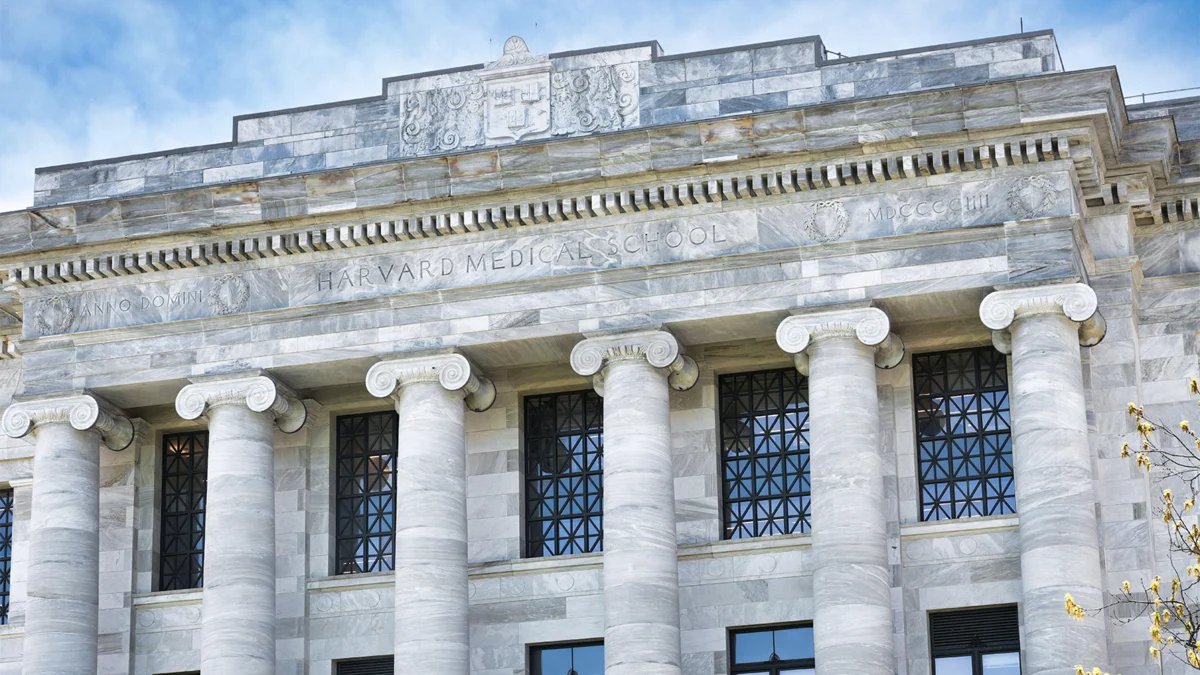
At the core of medical education lies an ancient, sacred covenant. It is a silent agreement between the donor, who chooses to offer their physical remains as a final act of altruism; the family, who entrusts a loved one’s memory to an institution; and the medical student, who begins their journey as a physician by learning from the physical reality of the human form. This covenant is built on a foundation of absolute trust—the belief that the medical school acts as a steward of dignity.
When that trust is shattered, the repercussions ripple far beyond a single administrative failure. The recent, harrowing scandal involving the theft and trafficking of human remains at Harvard Medical School (HMS) serves as a grim reminder of what happens when that stewardship collapses. While a $53 million legal settlement has provided a measure of financial closure for the families involved, the deeper, systemic wounds remain unaddressed. For the medical community, the questions are no longer just about criminal conduct; they are about the erosion of a sacred educational tradition and the urgent need for a national standard to protect the dignity of anatomical donation.
The Anatomy of a Scandal: Facts and Misconduct
The investigation into the Harvard Medical School morgue revealed a betrayal of immense proportions. Cedric Lodge, who served as the manager of the school’s Anatomical Gift Program, engaged in a multi-year scheme to steal, sell, and transport human remains.
Federal prosecutors uncovered that between 2018 and March 2020, Lodge—utilizing his position of trust—removed organs, skin, hands, faces, and other body parts from donated cadavers. These remains, intended for the noble purpose of advancing medical science and training the next generation of doctors, were instead treated as commodities on a macabre black market.
In December 2025, the gravity of these crimes was reflected in the justice system’s response: Lodge was sentenced to eight years in federal prison. The scope of the investigation revealed that the illicit trade was not merely a localized event but a profound corruption of the entire morgue’s operation. The stolen parts were sold to third-party buyers, effectively turning a facility meant for life-saving education into a source of macabre profit.
A Chronology of Betrayal
The timeline of this tragedy spans several years, leaving many to wonder how such systemic malfeasance could occur within an institution as prestigious as Harvard.
- 2018–2020: The period of active theft. Cedric Lodge, acting as the primary gatekeeper of the morgue, facilitates the removal and sale of human remains.
- March 2020: The COVID-19 pandemic forces a massive shift in medical education. Across the country, in-person anatomy labs—a cornerstone of medical training—are shuttered or moved to virtual platforms.
- 2023: The scandal breaks into the public consciousness, exposing the extent of the trafficking. Federal indictments follow, revealing that the exploitation of the donors had been occurring behind the scenes for years.
- 2025: Cedric Lodge is sentenced to eight years in federal prison.
- August 2026: Harvard Medical School reaches a $53 million settlement to resolve lawsuits filed by the families of the victims, marking a significant, albeit insufficient, step toward reconciliation.
The Missing Link: Students and the "Virtual" Curriculum
The scandal has forced many, including those who were students at the time, to re-evaluate their educational experience. Dhruva "Drew" Gupta, a 2025 Harvard Medical School graduate, notes that the transition to virtual anatomy during the pandemic was universally accepted as a necessary response to public health requirements. However, the revelation of the morgue’s corruption casts a long, suspicious shadow over that period.
"I find myself asking a question I never imagined I would have reason to ask: Was COVID the whole explanation?" Gupta writes. The administrative failures required to hide the theft of remains imply a chaotic, compromised, or distracted management of the anatomical inventory. Did the lack of oversight that allowed for the theft of body parts also result in a lack of inventory for students? Did the subsequent internal scramble to hide the breach influence the curriculum’s pivot away from in-person instruction?
These questions remain unanswered. Harvard’s internal review, while well-intentioned, was narrow in its mandate. It was tasked with looking forward—creating best practices to prevent future failures—rather than conducting a full, transparent forensic audit of how the misconduct impacted the medical school’s operations, research integrity, and educational quality.
Official Responses and the Limits of Internal Reviews
In the wake of the public outcry, Harvard commissioned an independent review to audit its Anatomical Gift Program. While the resulting recommendations aimed to modernize security and stewardship, critics argue that the review fell short of true accountability.
The report focused on administrative "best practices," such as digital tracking and updated storage protocols. Yet, it largely avoided the difficult work of analyzing how the rot was allowed to take root in the first place. By failing to invite students to participate in the retrospective inquiry, the institution missed an opportunity to understand the human cost of the breach. For students, the cadaver is more than a tool; it is their first patient. When the school fails to protect that patient, it fails the student as well.
Implications: A Call for National Standards
The Harvard scandal is not a "one bad apple" anecdote; it is a systemic warning. Currently, the regulation of human remains for education and research is a patchwork of state laws and institutional policies. There is no comprehensive federal mandate ensuring that a donor in one state receives the same level of dignity and protection as a donor in another.
The Legislative Path Forward
Congress is currently considering bipartisan legislation (H.R. 2589) aimed at strengthening oversight. However, proponents argue that the bill should go further. To restore the broken covenant, the Department of Health and Human Services (HHS) must establish national minimum standards that include:
- Electronic Chain-of-Custody: Every movement of human remains must be tracked through an immutable, digital audit trail.
- Independent Audits: Medical schools must submit to regular, unannounced audits by external, non-affiliated bodies to ensure ethical compliance.
- Documented Access: Strict, biometric-based, or multi-factor authentication protocols must be required for anyone entering morgue facilities.
- Prompt Reporting: Legal mandates requiring the immediate notification of families and regulatory bodies in the event of any discrepancy or missing remains.
- Stakeholder Oversight: The inclusion of donor families and student representatives on oversight boards to ensure the human aspect of the program remains at the forefront.
Conclusion: Restoring the Covenant
The settlement of $53 million, while legally significant, cannot purchase the restoration of trust. For the families who entrusted their loved ones to Harvard, the pain of knowing their sacrifice was commercialized is a lifelong burden. For the medical students who walked through the halls of Harvard, the scandal is a harsh lesson in the necessity of institutional integrity.
Medicine is a profession built on the premise that we are caretakers of the vulnerable. When we lose the ability to care for those who have donated their bodies to science, we lose the moral authority to practice medicine itself.
The donor trusts the school. The family trusts the school. The student trusts the school. These obligations, while distinct, form a single, unbroken chain of ethical responsibility. By moving toward rigorous national standards, the medical community can begin to honor that covenant once more, ensuring that the dignity of the donor remains the highest priority of every medical institution in the country. The future of medical education depends not just on the brilliance of our scientists, but on the unyielding strength of our character and the transparency of our stewardship.
As the medical field reflects on this dark chapter, the goal must be clear: to build a system so transparent and so sacred that the tragedy at Harvard can never be repeated. Only then will the covenant be whole again.