After a year of profound volatility, administrative friction, and intense public scrutiny, biotech firm uniQure has finally submitted its application for the approval of its experimental Huntington’s disease gene therapy, AMT-130. The filing marks a pivotal moment for both the company and the broader landscape of neurodegenerative disease research, signaling a potential resolution to one of the most contentious regulatory standoffs in recent memory.
As the company awaits a decision from the U.S. Food and Drug Administration (FDA), investors and patient advocacy groups alike are closely watching to see if this submission will finally secure the green light that once seemed all but guaranteed, only to be derailed by shifting regulatory philosophies.
The Core Conflict: A Question of Methodology
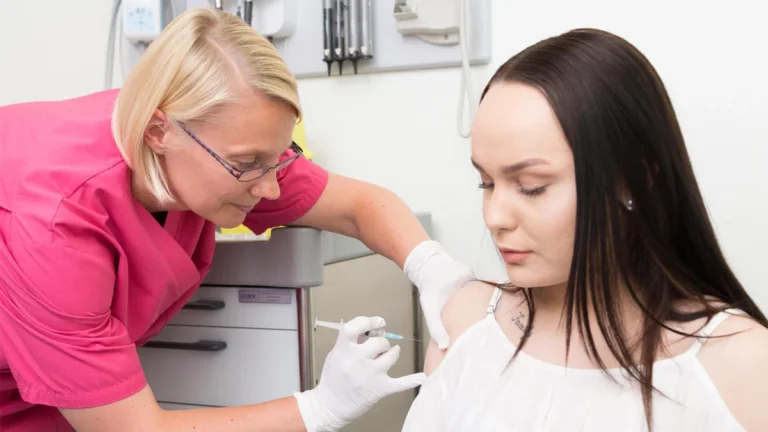
At the heart of the dispute lies the clinical methodology employed by uniQure to evaluate the efficacy of AMT-130. The therapy, which is designed to address the root cause of Huntington’s disease, requires an invasive, hours-long neurosurgical procedure to deliver the treatment directly to the brain.
Initially, uniQure’s development strategy included patients who underwent a "sham" surgery as a control group—a common, albeit ethically and logistically complex, standard for neurosurgical trials. However, as the program progressed, the company transitioned to an external control group, utilizing data from the Enroll-HD natural history database to measure the progress of treated patients against the expected progression of the disease in untreated individuals.
The FDA’s assessment of this approach shifted dramatically. While initial research plans were seemingly validated under prior agency leadership, the arrival of new, more skeptical management—most notably during the tenure of Vinay Prasad as head of the relevant FDA division—brought the strategy under heavy fire. The agency suddenly questioned whether this external data could support a regulatory filing, ultimately demanding that the company initiate a new double-blind trial that included a sham surgery control.
The demand for a sham surgery trial sparked immediate backlash, not only from uniQure but from the broader medical community, which raised significant ethical concerns regarding the risks and burdens placed on patients with a fatal, progressive condition.
A Chronology of Turbulence: From High Hopes to Regulatory Gridlock
The path to this week’s submission has been anything but linear. The past 18 months serve as a case study in the complexities of modern drug development, characterized by the following milestones:
- The Initial Surge: Nearly a year ago, uniQure triumphantly announced that its AMT-130 study showed a "massive effect on patients’ lives." Market confidence soared, and the company’s share price tripled as investors bought into the promise of a potential breakthrough.
- The Regulatory Pivot: In November, the narrative shifted. UniQure disclosed a "drastic change" in the FDA’s perspective. Despite earlier agreements on research design, new agency leadership indicated they were no longer satisfied with the existing data package.
- The War of Words: As the stalemate persisted, the conflict moved from the boardroom to the public sphere. Tensions escalated into a public spat between federal health officials and the company. In an unprecedented move, an anonymous FDA official took the rare step of speaking to journalists to voice concerns, with many industry observers attributing these comments to then-division head Vinay Prasad.
- Administrative Turnover: The pressure cooker of the FDA reached a breaking point. The controversy surrounding the agency’s stance on several programs—including the uniQure case—coincided with the eventual departure of Prasad and the high-profile resignation of FDA Commissioner Marty Makary in May.
- The Path to Resolution: With new interim leadership at the helm, the FDA began to signal a more pragmatic approach. By June, the agency communicated that the original three-year dataset could, in fact, be sufficient to initiate an approval filing, provided a confirmatory study was established.
Supporting Data and the Evolving Clinical Picture
The recent submission rests on the strength of the three-year follow-up data. Proponents of the therapy argue that the clinical outcomes observed in treated patients provide a strong signal of efficacy. By comparing these outcomes against the established progression patterns in the Enroll-HD database, uniQure has built an argument for "clinical meaningfulness" that they believe satisfies the statutory requirements for approval.
Crucially, the current alignment between the FDA and uniQure avoids the requirement for a new sham surgery control. This is a significant victory for the company, as it removes the ethical and logistical hurdles that would have otherwise delayed the program by years. Analysts from firms such as Leerink Partners have lauded this development, noting that a more straightforward confirmatory study will be substantially easier to enroll and execute.
Official Responses and Industry Perspectives
The mood in the industry has shifted from apprehension to guarded optimism. William Blair analyst Sami Corwin noted in a recent client report that while "some regulatory risk remains, given the continued leadership changes at the FDA," the current trajectory is undeniably positive.
The shift in FDA leadership has had a ripple effect beyond uniQure. The agency has recently demonstrated a renewed willingness to engage with sponsors on complex, experimental programs, evidenced by the movement on Moderna’s mRNA flu vaccine and the recent approval of Replimune’s melanoma treatment, Tudriqev. These approvals suggest that the FDA is working to "steady the ship" and restore predictability to the regulatory process.
For its part, uniQure remains focused on the next major milestone: the release of four-year follow-up data, which is expected by the end of the month. This data is widely considered the next "big catalyst" for the stock and will likely serve as the ultimate test of the durability of AMT-130’s therapeutic effects.

Implications for Rare Disease Research
The saga of AMT-130 has broader implications for the biotechnology sector, particularly for companies developing gene therapies for rare, terminal diseases.
1. The Ethics of Control Groups
The debate over sham surgeries is likely to continue, but the uniQure case highlights the urgent need for better regulatory guidelines on the use of "real-world" or "natural history" data. When a disease is as devastating as Huntington’s, the requirement for placebo or sham controls can create significant friction between regulators, who prioritize scientific rigor, and patient advocates, who prioritize access and the reduction of patient burden.
2. Regulatory Predictability
The volatility caused by shifting FDA leadership serves as a warning to the industry about the dangers of regulatory inconsistency. Companies rely on long-term, multi-year plans to secure capital and design trials. When those plans are upended by a change in personnel or philosophy, it creates not just financial loss, but a tangible delay in the availability of life-saving medicines.
3. The Future of Huntington’s Treatment
If approved, AMT-130 would represent a landmark achievement in the treatment of Huntington’s disease. It would validate the use of gene-modifying therapies in the central nervous system, opening the door for similar approaches to other neurodegenerative conditions like ALS and Parkinson’s.
Conclusion
As uniQure awaits the FDA’s verdict, the company finds itself in a stronger position than it has been in months. By successfully navigating a gauntlet of administrative, ethical, and scientific challenges, it has managed to bring its submission to the desk of regulators.
Whether the FDA will ultimately grant approval remains to be seen. However, the current alignment on the path forward—avoiding the ethically fraught sham surgery requirement—suggests that the agency is moving toward a more collaborative relationship with sponsors. The coming weeks, defined by the release of the four-year follow-up data, will be the final chapter in this turbulent period. For the patients and families affected by Huntington’s disease, the resolution of this regulatory storm cannot come soon enough.