











As the leaves begin to turn and temperatures drop, the United States faces its annual respiratory virus season—a trifecta of influenza, COVID-19, and Respiratory Syncytial Virus (RSV). This year, however, the landscape of public health guidance is distinctly different. With federal recommendations experiencing unprecedented turbulence and shifting advice, a coalition of the nation’s leading medical societies has taken the initiative to issue a unified, science-based vaccination roadmap for the American public.
The American Academy of Pediatrics (AAP), the American Academy of Family Physicians (AAFP), the American College of Obstetricians and Gynecologists (ACOG), and the Infectious Diseases Society of America (IDSA) have banded together to provide the clarity they say is missing from the federal government. By consolidating evidence-based practices, these organizations aim to curb the confusion and skepticism that have plagued vaccine uptake in recent years.
The State of Federal Uncertainty
For decades, the Centers for Disease Control and Prevention (CDC) has served as the definitive voice for public health in the U.S. However, that authority has been challenged by political volatility and ongoing legal disputes. Last year, observers noted a marked shift in federal messaging, as health officials began scaling back longstanding recommendations for routine vaccinations and seasonal virus protection, often without the backing of new peer-reviewed scientific evidence.
The advisory panel that typically informs CDC policy—and by extension, state and insurance mandates—is currently embroiled in a complex court battle. This power vacuum has left both healthcare providers and patients searching for reliable answers. While the CDC’s website currently points doctors toward legacy flu recommendations, the lack of proactive, clear guidance has necessitated the current intervention by independent medical societies.
"There’s been a lot of confusion and chaos regarding vaccine recommendations," explains Dr. Sandra Fryhofer, a representative of the American Medical Association. By posting clear, consistent, and rigorously vetted guidelines online, these groups hope to ensure that the public remains informed despite the flux in the federal administrative process.
Chronology of the Fall Vaccine Rollout
The immunization cycle for the 2024-2025 season is currently underway, characterized by a rapid deployment of updated formulations:
- Mid-September: The Food and Drug Administration (FDA) formally approved the latest round of updated COVID-19 boosters, designed to target the most prevalent circulating strains.
- Late September: Pharmaceutical companies began shipping updated flu vaccines, including a historic new entrant: the first mRNA-based influenza vaccine, developed by Moderna.
- Early October: Medical societies finalized their collective guidance, urging immediate action for high-risk populations and establishing a recommended window for general vaccination.
- Ongoing: Pharmacies and primary care clinics have begun the simultaneous administration of these shots, aiming to maximize coverage before the peak transmission months of November through February.
Influenza: Why the Standard Remains Critical
Despite the focus on novel COVID-19 variants, influenza remains a formidable public health threat. Medical experts agree that, with few exceptions, everyone aged six months and older should receive a flu shot annually.
The necessity of this stance is underscored by the previous two flu seasons, which were characterized by abnormally high rates of pediatric mortality. Alarmingly, public health data confirms that the vast majority of these tragic cases occurred in children who had not been vaccinated. While vaccines are not a panacea—they do not prevent every infection—their primary utility lies in mitigating the severity of the illness. According to a recent analysis published in the journal JAMA by the University of Minnesota’s Vaccine Integrity Project, flu vaccinations reduce hospitalizations among older adults by approximately 31%.
Navigating the "Enhanced" Options
For seniors, the landscape of flu vaccination has evolved. There are now three "enhanced" vaccines specifically formulated to generate a more robust immune response in the aging population. Dr. Sarah Nosal of the AAFP advises seniors to seek these enhanced versions, while stressing a vital caveat: "Do not delay your vaccination if that specific one is not immediately available."
The introduction of Moderna’s mFlusiva represents a technological milestone. By utilizing the mRNA platform that proved so effective during the COVID-19 pandemic, this new vaccine offers a fresh alternative for adults aged 50 and older. Clinical trials indicated a 27% increase in effectiveness against symptomatic illness in this age bracket compared to traditional, egg-based flu shots. For those with a phobia of needles, the intranasal FluMist remains an alternative for individuals aged 2 to 49, provided they meet specific health criteria.
COVID-19: A Strategic Approach to Immunity
While the COVID-19 vaccine was once universally recommended for all, federal agencies have pivoted toward a more targeted approach. The current FDA approval is formally focused on higher-risk groups: individuals aged 65 and older, and younger people with underlying health conditions that elevate the risk of severe disease.
However, the AAFP and other groups maintain that all adults should consider vaccination. For those over 65, the guidance is specific: obtain the fall dose, and schedule a follow-up dose six months later to account for the natural waning of immune protection.
The pediatric recommendations are equally nuanced. The AAP supports COVID-19 vaccination for children aged six months to 23 months, as well as for older children with high-risk conditions. Perhaps most importantly, the academy supports access for any child whose parents wish to seek vaccination, emphasizing that informed parental choice remains a cornerstone of pediatric care.
Addressing concerns regarding maternal health, Dr. Christina Davidson of ACOG stated, "With millions of shots administered, there is no evidence that coronavirus vaccination during pregnancy increases the risk of miscarriage or other adverse outcomes, so please get the vaccine."
Data-Driven Implications
The effectiveness of these efforts is supported by substantial real-world data. Last year’s COVID-19 vaccination campaign was instrumental in reducing hospitalizations among seniors by 53% and significantly slashing emergency department visits for the pediatric population.
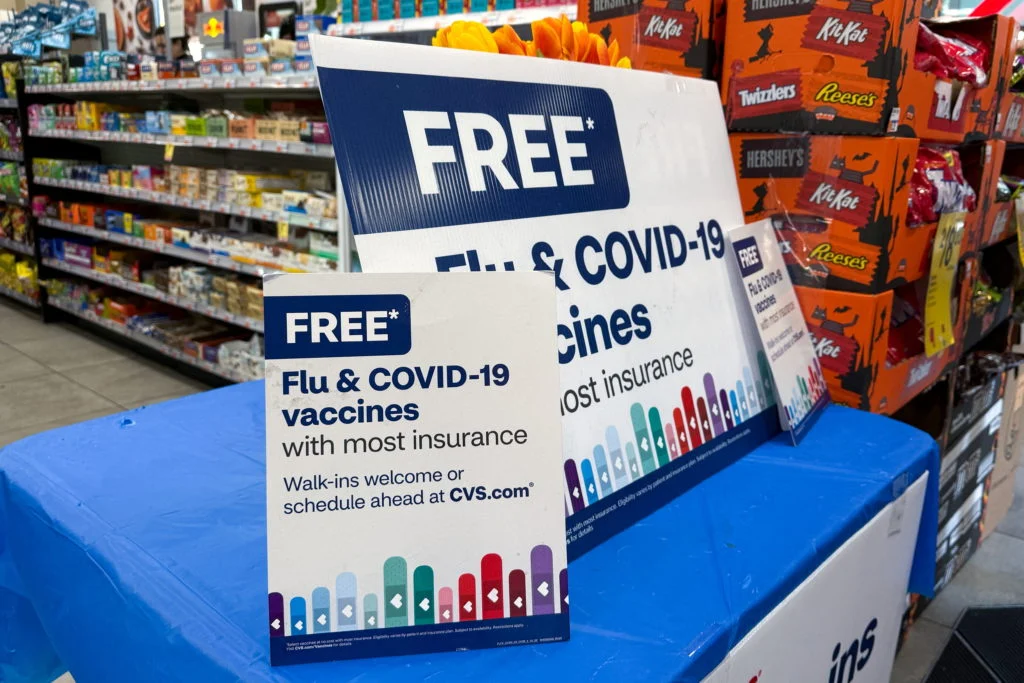
Beyond the raw clinical data, the logistics of access are improving. Medicare covers the cost of these fall shots, and the majority of private insurers have committed to maintaining coverage through 2027. Currently, pharmacies have become the primary point of access for many, though rules vary by state. For instance, while Walgreens allows for walk-in vaccinations in almost every state, age restrictions and prescription requirements can vary by jurisdiction—most notably in Arizona and Oregon.
Addressing the RSV Threat
Respiratory Syncytial Virus (RSV) has moved from being a seasonal "nuisance" to a recognized public health priority. While it causes mild, cold-like symptoms in most, it can be life-threatening for infants and the elderly.
The new guidelines suggest a one-time vaccination for:
- Adults aged 75 and older.
- Adults aged 50 to 74 who present with increased clinical risk.
- Younger individuals with compromised immune systems.
For expectant mothers, the recommendation is to receive the vaccine during the third trimester to provide maternal antibodies that protect the infant during their first months of life. For infants whose mothers were not vaccinated, pediatricians have access to a preventative monoclonal antibody treatment to provide similar protection.
Conclusion: A Proactive Season
The synthesis of these guidelines by the nation’s leading medical experts serves as a stabilizing force in an era of information fragmentation. By focusing on the efficacy of vaccines in preventing severe disease, hospitalization, and death, these medical societies are providing the public with the tools to make informed decisions.
As October marks the optimal time for flu vaccination, and as COVID-19 trends continue to oscillate, the message from the medical community is clear: vaccination remains the most effective, science-backed strategy for navigating the winter months. While the federal landscape remains complex, the path to personal and community health is illuminated by the consensus of those on the front lines of patient care.