








Published September 2, 2026
In the contemporary professional landscape, the "croissant-like" posture has become an unintended hallmark of the workforce. Whether you are a corporate analyst navigating endless spreadsheets, a creative professional hunched over a tablet, or a commuter navigating the stresses of daily transit, the human body is increasingly being shaped by the furniture it inhabits. A quick glance in a mirror often reveals the culprit: rounded shoulders, a forward-jutting neck, and a spine curved into a permanent C-shape.
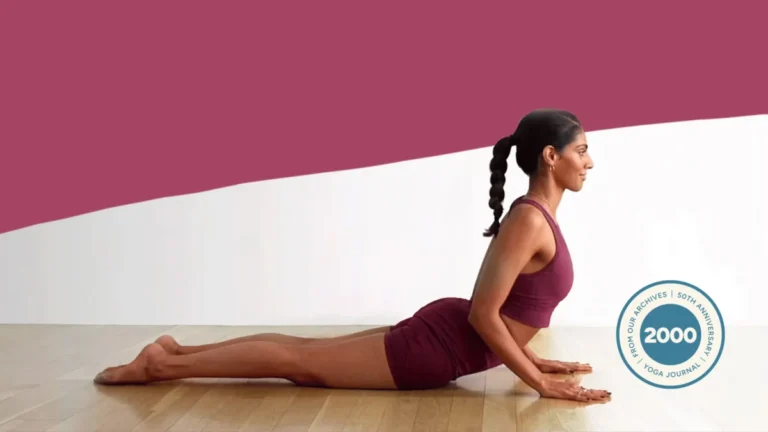
While the aesthetic of poor posture is a common point of contention for many, the true crisis lies in the physical toll. Chronic stiffness in the neck, tightness in the pectoral muscles, and persistent aching in the upper back are not merely inconveniences; they are signals from the musculoskeletal system that it is suffering under the weight of repetitive, sedentary habits. As we move deeper into the digital age, the practice of yoga—specifically backbending—is evolving from a spiritual pursuit into a necessary corrective intervention for the desk-bound body.
The Anatomy of the Desk Slump: A Chronology of Compression
To understand why backbends are so effective, one must first understand the "desk slump" cycle. The degradation of posture is a cumulative process that occurs over years of habitual movement.
- The Morning Commute: The process begins with the physical compression of the spine. Whether sitting in a car or on public transit, the spine is held in a static, flexed position for prolonged periods, leading to the tightening of the hip flexors.
- The Mid-Morning Crunch: As the workday begins, the "laptop-ing" phase commences. The shoulders naturally protract (roll forward) as the hands reach for a keyboard. This engages the anterior muscles—the chest and front of the shoulders—while simultaneously overstretching the posterior muscles, specifically the rhomboids and trapezius.
- The Afternoon Fatigue: By the mid-afternoon, the core muscles, which are meant to stabilize the spine, begin to disengage. The spine "collapses," placing the entire weight of the upper body on the cervical and thoracic vertebrae rather than the structural framework of the skeleton.
- The Cumulative Effect: Over weeks and months, the connective tissue, or fascia, begins to "set" in this forward-leaning shape. What started as a choice becomes a physical limitation.
Supporting Data: The Sedentary Epidemic
The rise of "tech-neck" and chronic thoracic pain is supported by mounting clinical data. According to recent ergonomic studies, the average office worker spends upwards of 70% of their waking hours in a seated position. When the head is held in a forward-leaning position to look at a monitor, the effective weight of the head on the neck increases exponentially—often by 10 to 30 pounds depending on the degree of the lean.
Yoga practitioners and physical therapists have long argued that the solution is not just "sitting up straight," but rather counteracting the flexion of the spine with deliberate extension. Backbends, historically viewed as advanced or intimidating, are the physiological inverse of the seated slouch. They work by:
- Opening the Anterior Chain: By stretching the pectoralis major and minor, backbends allow the shoulders to regain their natural, retracted position.
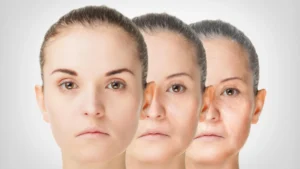
- Thoracic Mobility: Most desk workers lose the ability to extend their thoracic spine (the mid-back). Backbends force this region to move, preventing the "hunchback" development often associated with aging.
- Breath Capacity: When the chest is perpetually collapsed, the diaphragm cannot expand fully. Backbends mechanically expand the ribcage, facilitating deeper, more efficient respiration.
Official Perspectives: The Role of Therapeutic Yoga
Medical professionals and yoga therapists are increasingly collaborating to integrate these movements into standard rehabilitation programs. Dr. Elena Vance, a specialist in musculoskeletal health, notes that "the irony of yoga is that these backbending poses were developed millennia ago, long before the invention of the desktop computer, yet they function as the perfect antidote to the modern workspace. They essentially ‘undo’ the compression that occurs when we are locked into a sedentary loop."
Yoga instructors emphasize that these poses are not about achieving a specific aesthetic "look," but rather about reclaiming range of motion. "It is not about how far you can bend backward," says Isa Brand, a lead instructor at YogaRenew. "It is about creating space in the front of the body so that you can stand and sit with ease, rather than feeling like your body is a tightly wound spring."
Four Essential Backbends for Desk Recovery
To address the postural imbalance of the modern worker, the following four poses are recommended. These should be performed after the muscles are warmed up—perhaps after a brisk walk or a gentle sequence of sun salutations.
1. Puppy Pose (Uttana Shishosana)
This pose is the bridge between a child’s pose and a downward-facing dog. It is exceptional for stretching the latissimus dorsi and the shoulders without putting excessive pressure on the lower back.
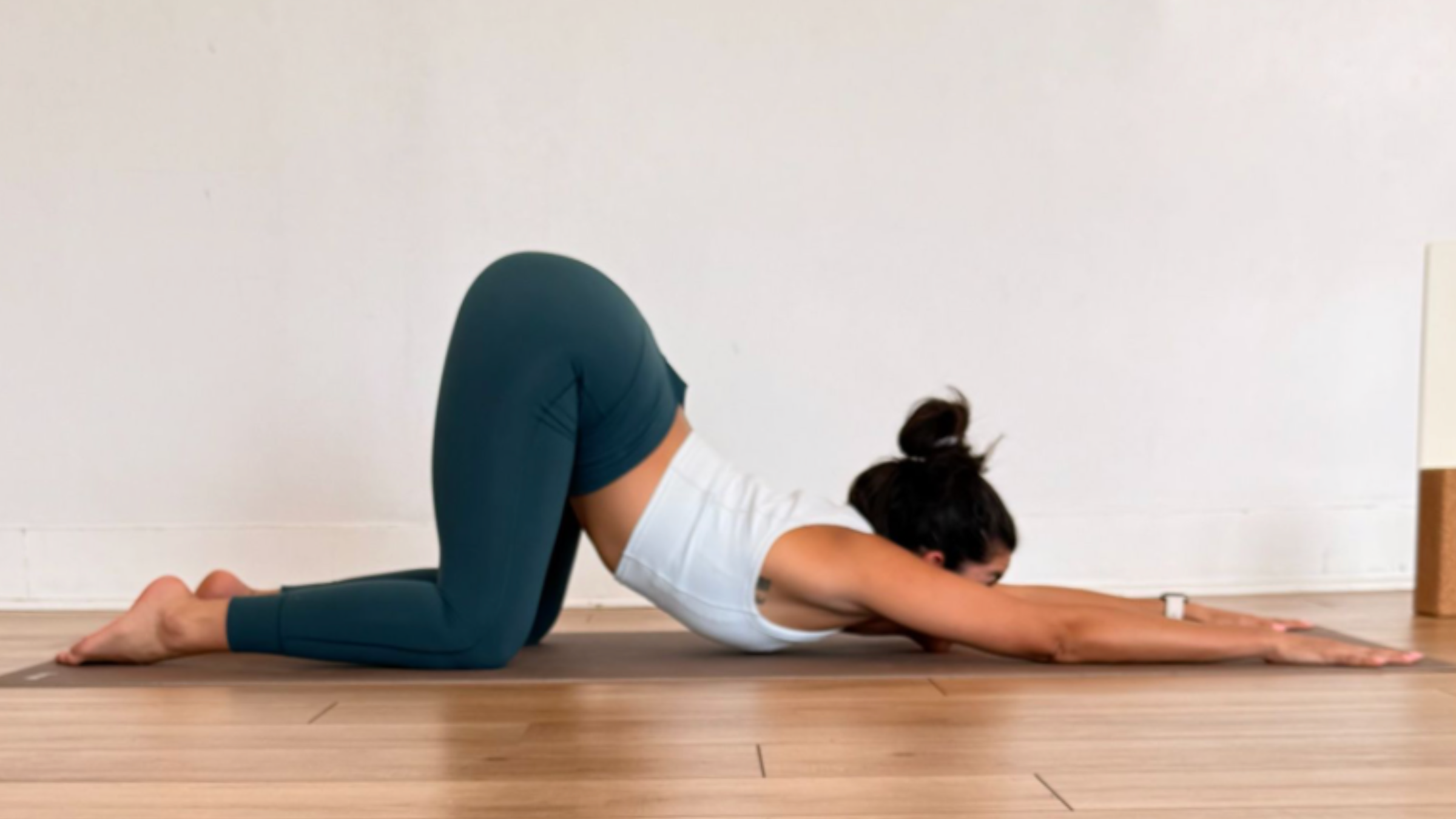
- Execution: Begin on all fours. Keep the hips directly over the knees. Walk the hands forward until the forehead rests on the mat. To increase the stretch, widen the arms to shoulder-width or beyond.
- Why it works: It creates a gentle traction on the spine, pulling the chest toward the mat and effectively reversing the rounded-shoulder posture.
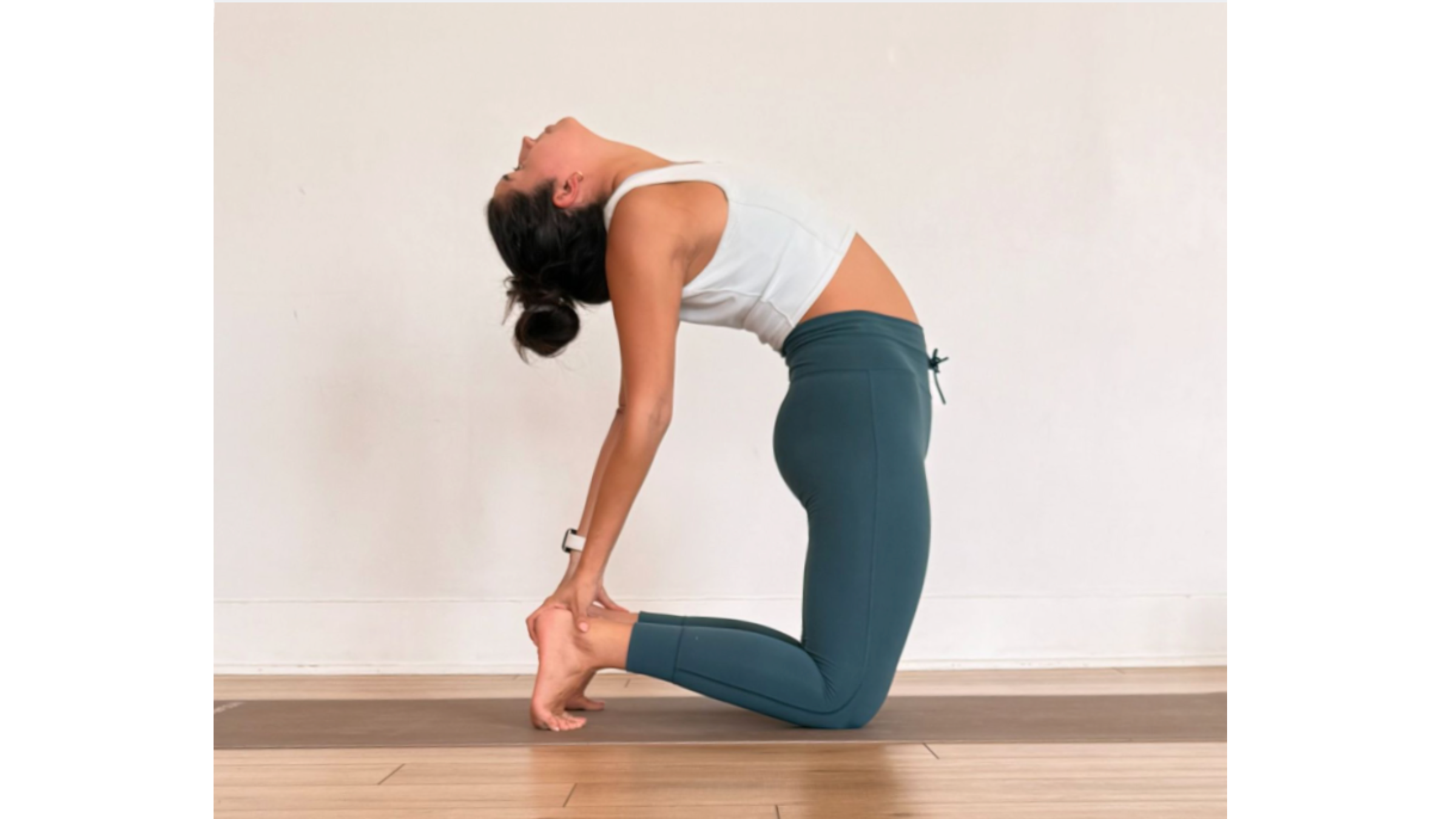
2. Camel Pose (Ustrasana)
Camel is a powerful, deep heart-opener. It requires significant engagement of the glutes and core to protect the lumbar spine.
- Execution: Kneel with knees hip-width apart. Place your hands on your lower back, fingers pointing down. Press the shins into the floor, lift the heart, and roll the shoulders back. If your mobility allows, reach back to touch your heels.
- Why it works: This is the ultimate "chest opener." It forces the shoulders back and stretches the hip flexors, which are notoriously tight from long periods of sitting.
3. Bridge Pose (Setu Bandha Sarvangasana)
Bridge pose is accessible for almost all fitness levels and provides a passive yet effective release for the entire front of the body.
- Execution: Lie on your back, knees bent, feet planted hip-width apart. Press into the feet and arms to lift the hips toward the ceiling. Interlace the fingers beneath your back to roll the shoulders underneath you.
- Why it works: It strengthens the posterior chain while simultaneously stretching the chest and neck, providing a holistic balance to the forward-leaning posture of the desk.
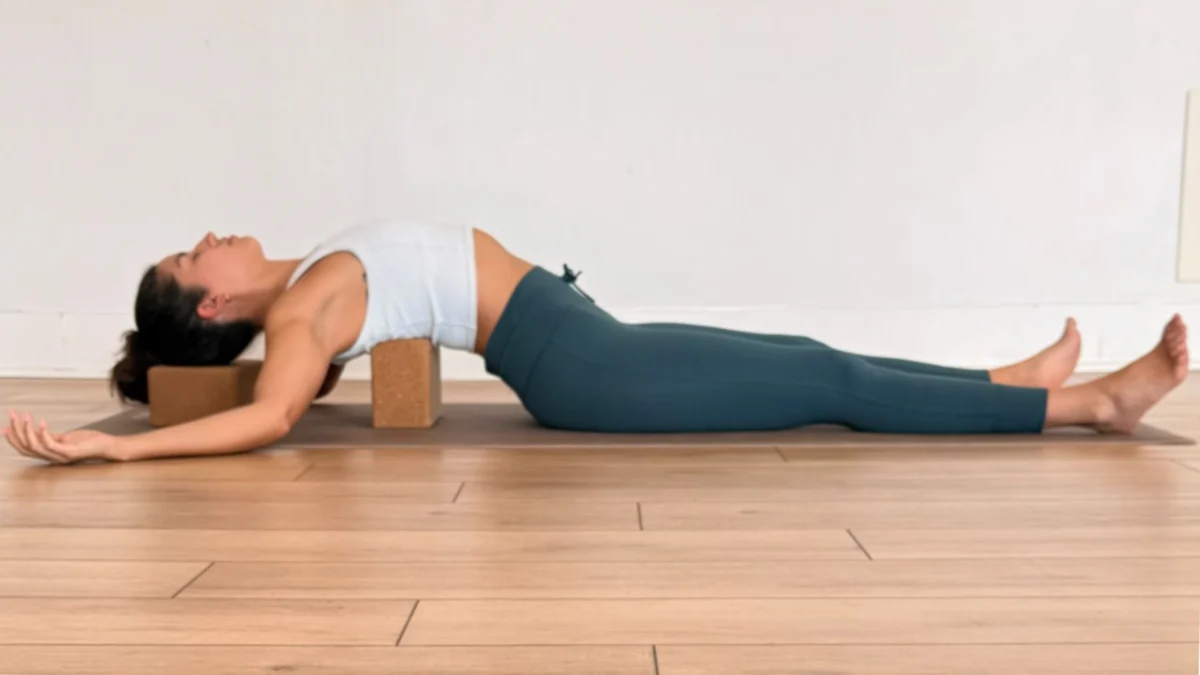
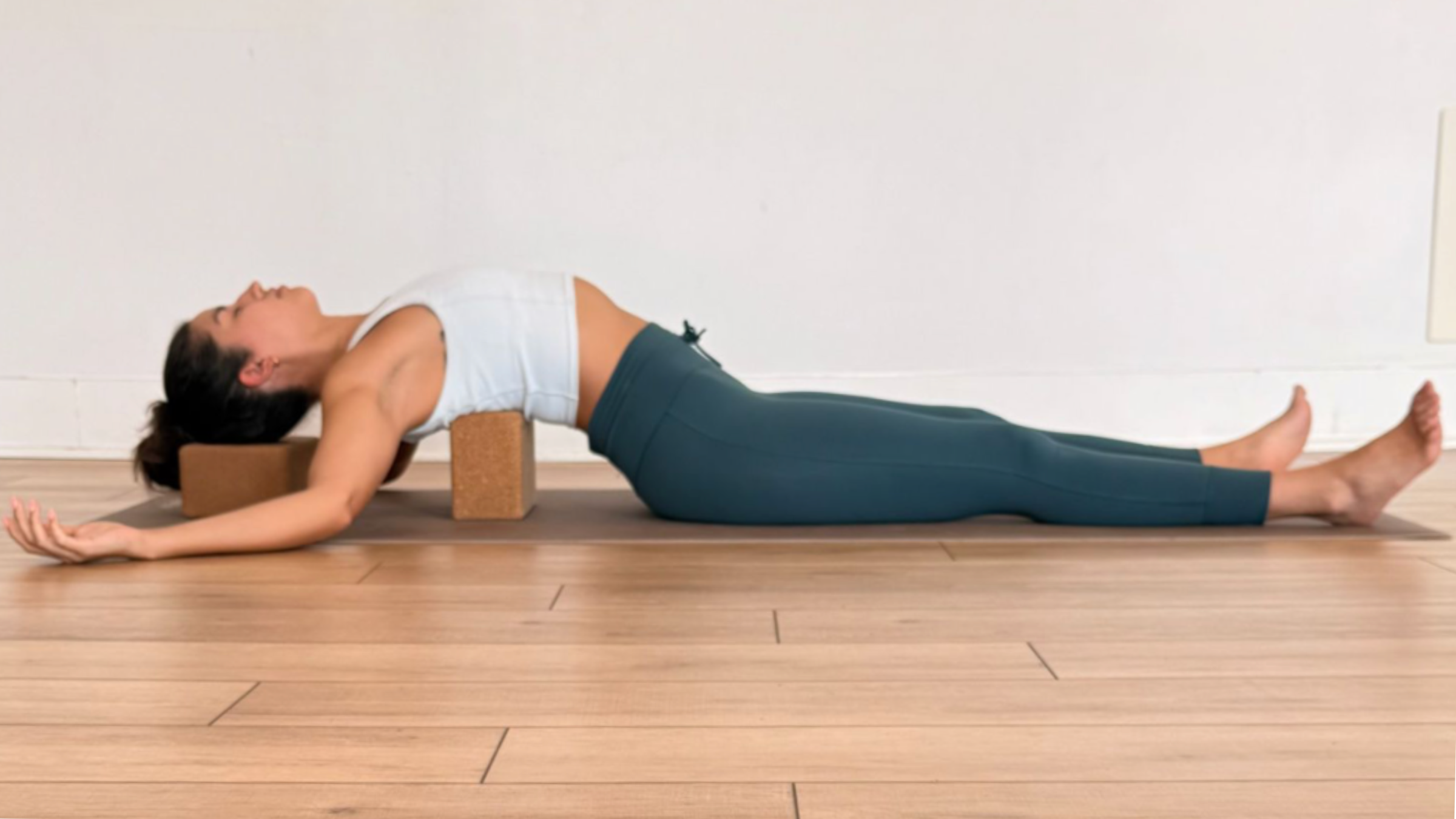
4. Supported Fish Pose (Matsyasana)
For those who have spent an entire day in a state of high-stress contraction, the Supported Fish pose offers a restorative conclusion.
- Execution: Use two yoga blocks—one at a low height for the head, one at a medium height for the upper back. Sit in front of the blocks and carefully lower yourself so the medium block rests between your shoulder blades. Rest your arms in a "goal-post" position.
- Why it works: Because it is supported by blocks, the muscles can fully release. It encourages the chest to open passively, counteracting the "closed-in" feeling of a day spent staring at a screen.
Implications for Future Workplace Wellness
The integration of these movements into a daily routine has profound implications for long-term health. Beyond the immediate relief of muscle tension, regular practice of these poses can mitigate the risk of chronic spinal conditions, such as disc herniation or thoracic outlet syndrome, which are becoming increasingly prevalent in the sedentary workforce.
Furthermore, the psychological impact of posture cannot be overlooked. The "power pose" theory suggests that our physical orientation affects our hormonal and mental state. By opening the chest and standing taller, individuals often report higher levels of confidence and lower levels of perceived stress.
As we continue to navigate a world that demands more time in front of screens, the onus is on the individual to curate their physical environment and their physical maintenance. The "croissant" posture is not an inevitable outcome of a career in the digital age; it is a signal that it is time to recalibrate. By dedicating just ten minutes a day to these four backbends, the modern worker can reclaim their range of motion, alleviate chronic pain, and stand with the structural integrity that the human spine was designed to maintain.
In the final analysis, the most sophisticated ergonomic chair in the world cannot replace the benefit of a body that is supple, strong, and capable of returning to its natural, upright alignment. The remedy has been waiting for thousands of years; it is time to unroll the mat and begin the work of reversing the desk-bound slump.