










26 August, 2026
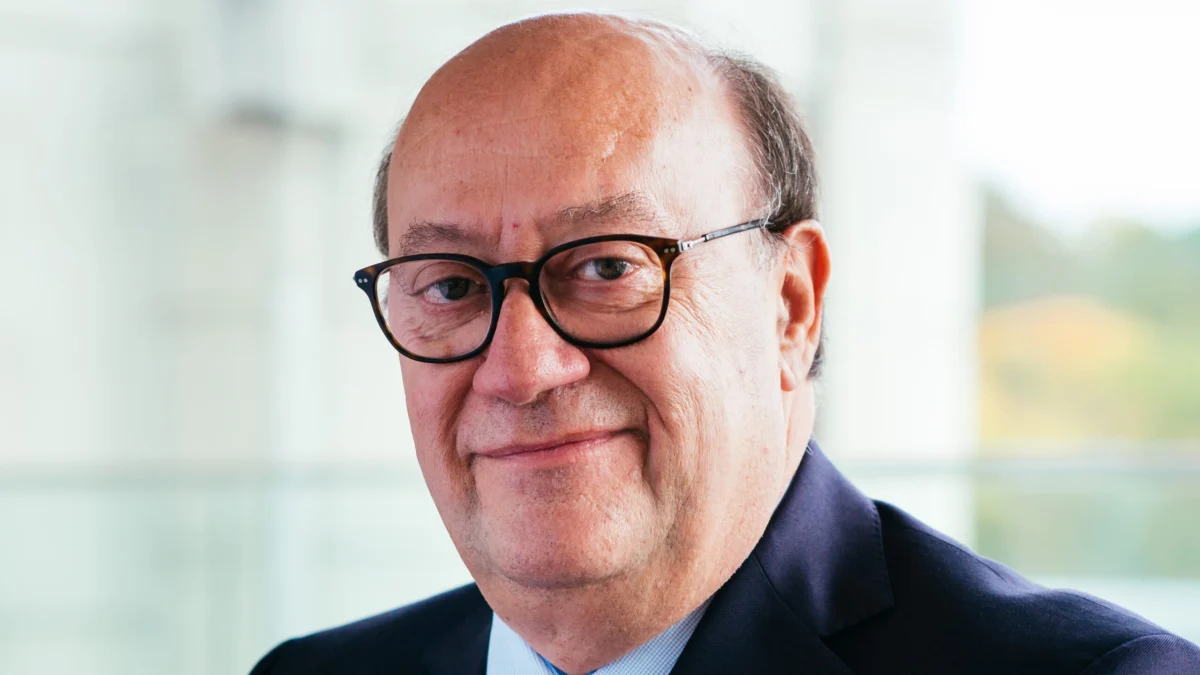
The global medical community is mourning the loss of a titan in the field of respiratory medicine. On August 14, 2026, Professor Marc Decramer passed away suddenly, leaving behind a legacy that transformed how the world understands, treats, and manages chronic lung disease. A distinguished physician, visionary scientist, and transformative healthcare leader, Professor Decramer’s influence spanned from the laboratories of Leuven to the corridors of the European Parliament.
His passing marks the end of a career defined by an insatiable curiosity and a rare ability to bridge the gap between complex basic research and practical, patient-centered clinical care.
Main Facts: A Life of Unwavering Dedication
Professor Marc Decramer was more than just a clinician; he was a bridge-builder. Throughout his career, he navigated the complex intersections of internal medicine, pulmonology, technology, and hospital administration with a grace that was as notable as his academic output.
Known for his profound humanity and infectious enthusiasm, Decramer’s professional life was characterized by a "Champions League" approach to medicine—a nod to his youthful past as a high-level soccer player in Belgium’s 2nd national division. That competitive spirit, once channeled into the sport, was redirected toward the fight against Chronic Obstructive Pulmonary Disease (COPD) and muscle dysfunction.
His contributions were not limited to the clinic. As a mentor, he nurtured a generation of researchers who today hold leadership positions across the globe. His tenure as CEO of UZ Leuven, one of Europe’s most significant university hospitals, solidified his reputation as a leader who could balance the empathy required for bedside care with the strategic acumen needed for large-scale organizational success.
Chronology: The Evolution of a Medical Pioneer
The arc of Professor Decramer’s life was defined by continuous growth, from his academic roots in Leuven to his international influence.
- 1978: Graduated with magna cum laude as a Doctor of Medicine, Surgery, and Obstetrics from Leuven University.
- 1982–1984: Completed a formative fellowship at the Meakins-Christie Laboratories and Royal Victoria Hospital (McGill University, Montreal), under the mentorship of Professor Peter Macklem.
- 1984: Joined the Department of Respiratory Diseases at University Hospitals Leuven, beginning a lifelong commitment to the institution.
- 1987–1992: Earned his first academic appointment, culminating in his promotion to Full Professor at the Faculty of Medicine in 1992.
- 1995–1999: Served as Scientific Chairman of the European Respiratory Society (ERS).
- 2000–2003: Appointed Editor-in-Chief of the European Respiratory Journal.
- 2006: Assumed the role of Head of the Department of Respiratory Diseases at UZ Leuven.
- 2010–2011: Served as President of the ERS, during which he spearheaded the European Respiratory Roadmap.
- 2013: Appointed CEO of UZ Leuven, overseeing one of Europe’s largest healthcare centers.
- 2013–2016: Chaired the Board of Directors of the Global Initiative on Obstructive Lung Disease (GOLD).
- 2018: Entered emeritus status, transitioning to advisory and board roles with IMEC and other major healthcare entities.
- 2026: Passed away on August 14, while surrounded by his family.
Supporting Data: Scientific Impact and Innovation
Professor Decramer’s academic footprint is monumental. He authored over 400 peer-reviewed publications, a testament to his prolific output and the rigor of his scientific inquiry. With more than 30,000 citations and an h-index of 75, his work has provided the empirical foundation for modern pulmonary rehabilitation.
Beyond the Lungs: Muscle Dysfunction
Perhaps his most significant intellectual contribution was his holistic view of COPD. While others focused solely on lung capacity, Decramer recognized that the systemic manifestations of the disease—specifically limb and respiratory muscle dysfunction—were equally critical to a patient’s quality of life. By integrating pharmacological innovation with robust multidisciplinary rehabilitation programs, he changed the standard of care for millions.
Technological Integration
Decramer was an early adopter of the digital revolution in medicine. Recognizing the potential for artificial intelligence, he co-founded a spin-off company dedicated to the automated interpretation of lung function tests. His work with IMEC, the world-leading R&D hub for nanoelectronics, further demonstrated his foresight in utilizing wearable technology and data analytics to monitor chronic patients outside the clinical setting.
Official Responses and Peer Tributes
The medical community has reacted to the news of his passing with profound sorrow and deep respect. Colleagues and professional societies have highlighted not only his professional achievements but his character.
"Marc was a rare individual who could speak the language of a laboratory scientist, a hospital administrator, and a patient simultaneously," noted a former collaborator. "He didn’t just manage teams; he inspired them to solve the unsolvable."
The European Respiratory Society issued a statement honoring his tenure as President, noting: "His leadership on the European Respiratory Roadmap was not just a document—it was a vision for the future of lung health in Europe. He challenged policymakers to view respiratory health as a pillar of economic and social stability. His impact on our society is immeasurable."
At UZ Leuven, the mood is one of collective grief. Leaders of the hospital emphasized his "empathy, clarity, and deep understanding of the human dimensions of healthcare." His ability to maintain a sense of humor and warmth, even under the immense pressure of directing a major university hospital, is cited by many as the hallmark of his leadership style.
Implications: The Legacy He Leaves Behind
The death of Professor Marc Decramer leaves a void in international respiratory policy, yet his influence is baked into the DNA of the institutions he served.
A Roadmap for the Future
The European Respiratory Roadmap, developed under his guidance, remains the primary framework for respiratory health policy in the EU. Its emphasis on prevention, early diagnosis, and integrated care continues to guide government health ministers today. His work with GOLD (Global Initiative on Obstructive Lung Disease) ensured that his clinical findings were adopted not just in the West, but in emerging markets, standardizing the treatment of COPD globally.
Mentorship and the Next Generation
Decramer’s true legacy may lie in the hundreds of doctoral students, physicians, and researchers he mentored. By fostering an environment of "intellectual curiosity across disciplines," he ensured that his students were not merely specialized technicians but well-rounded scientists capable of leading the next wave of innovation. His consulting work, conducted alongside his son Stefaan, allowed him to pass on these strategic insights to the broader healthcare industry, ensuring that his philosophy of innovation continued even after his retirement.
Personal Humanity
Ultimately, those who knew him best remember the man behind the accolades. He was a father, a husband, and a friend. The balance he struck between a high-octane professional life and a "full and lively family life" remains a model for his colleagues. He showed that brilliance and kindness are not mutually exclusive, and that a leader’s greatest tool is their ability to connect with others.
As the medical world reflects on his life, the consensus is clear: Professor Marc Decramer did not just treat lung disease; he breathed new life into the field of respiratory medicine. He will be deeply missed by his wife, Vera, his sons Stefaan and Thomas, their families, and the countless individuals whose lives were improved by his work. The quiet, persistent dedication of his career now serves as the foundation for the future of the field he helped build.