A landmark study published on August 18 in the European Heart Journal has unveiled a concerning long-term consequence of COVID-19: the potential for the virus to prematurely age human blood vessels. The findings, which suggest that even mild cases of the virus can leave the cardiovascular system appearing biologically older, have sent a ripple of concern through the global medical community.
As researchers continue to decode the complexities of "Long COVID" and post-acute sequelae, this study provides a concrete, measurable insight into why so many survivors continue to experience debilitating symptoms months or even years after their initial infection.
The Core Discovery: Arteries Under Pressure
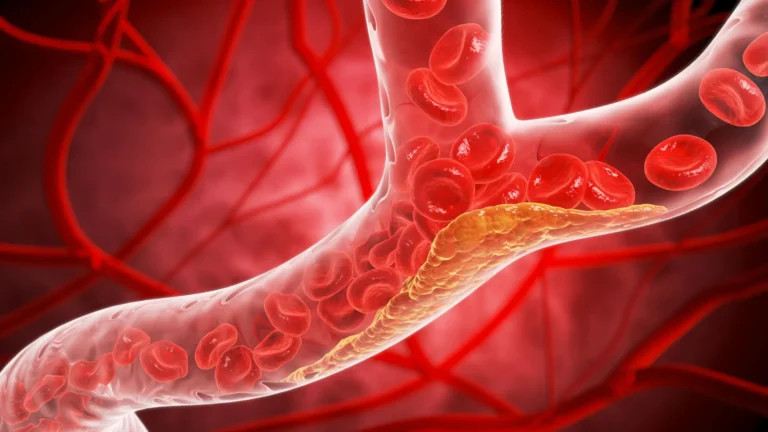
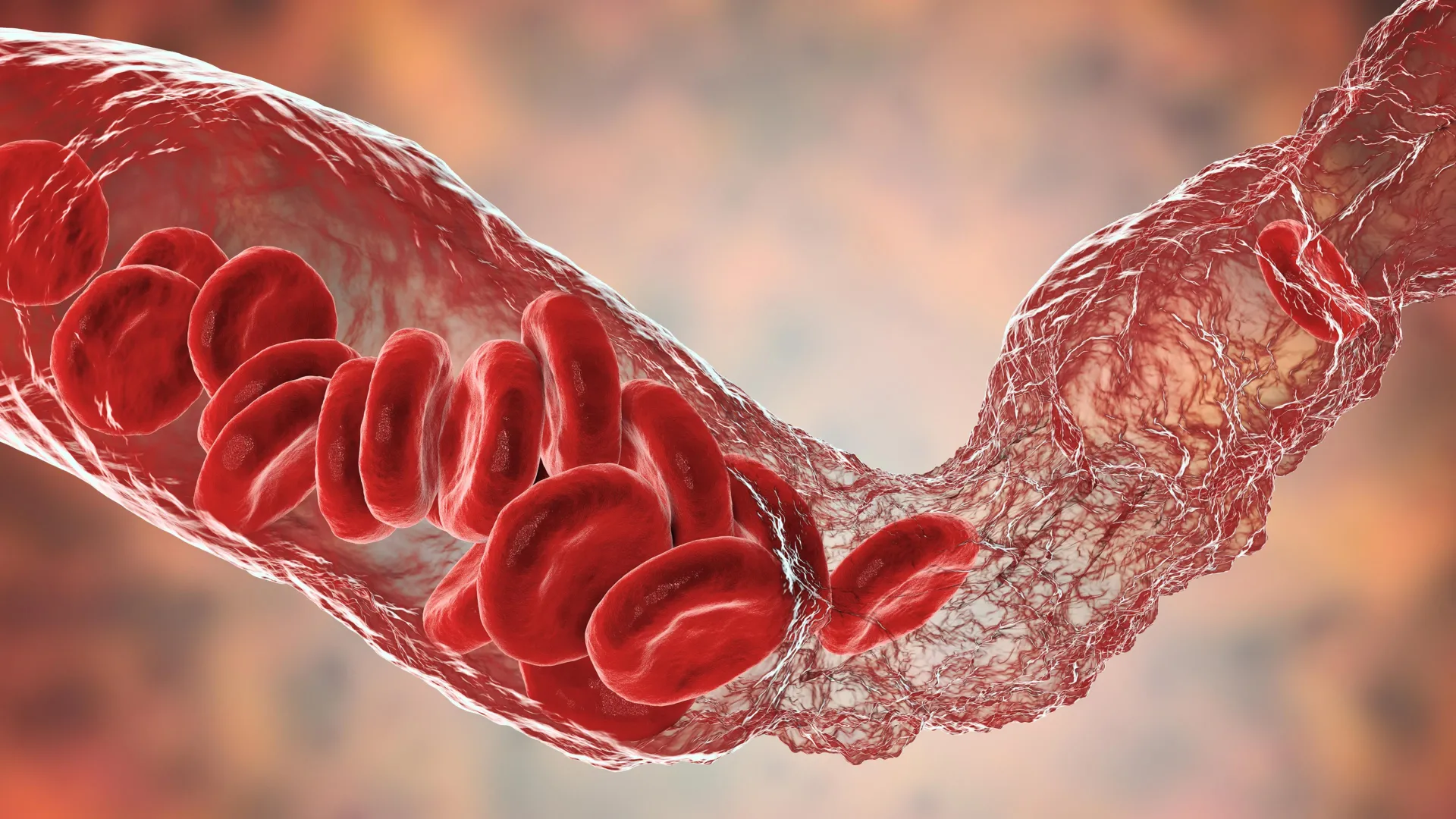
At the heart of the research is the concept of "vascular age." While blood vessels naturally stiffen as a person ages—a process that correlates directly with an increased risk of hypertension, heart attacks, and strokes—this new study suggests that SARS-CoV-2 may act as a catalyst, significantly accelerating this decline.
Led by Professor Rosa Maria Bruno of Université Paris Cité, the study indicates that individuals who have contracted COVID-19 exhibit signs of early vascular aging. Effectively, the virus may cause the cardiovascular system to skip years of normal, gradual wear and tear, leaving patients with arteries that are biologically older than their chronological age. For a 60-year-old woman, the study suggests that even a mild infection could equate to roughly five years of additional vascular aging.
Chronology of the Research: A Global Investigation
To reach these conclusions, researchers conducted a massive, multicenter, prospective cohort study known as the CARTESIAN study. The project involved 2,390 participants recruited between September 2020 and February 2022 across 16 countries, including the UK, USA, France, Brazil, Australia, and Italy.
The study’s timeline was structured to capture the evolution of vascular health:
- Recruitment Phase (2020–2022): Participants were categorized into four distinct cohorts based on infection severity: those who had never contracted COVID-19, those who had mild cases not requiring hospitalization, those hospitalized on general wards, and those admitted to intensive care units (ICU).
- Initial Assessment: Researchers measured each participant’s vascular age using carotid-femoral pulse wave velocity (PWV). This non-invasive diagnostic tool measures the speed at which blood pressure waves travel between the neck and the legs. A higher speed indicates stiffer arteries.
- Follow-up Period: Measurements were taken six months post-infection and again at the 12-month mark to determine if the vascular damage was transient or persistent.
By controlling for demographic variables such as sex, age, and pre-existing cardiovascular risk factors, the team was able to isolate the specific impact of the virus on arterial health.
Supporting Data: The Disproportionate Impact on Women
The statistical findings of the CARTESIAN study are stark. Across all three infection categories—mild, hospitalized, and ICU-admitted—participants displayed stiffer arteries than their uninfected counterparts. However, the data revealed a startling gender discrepancy.
The Gender Gap
The effect of the virus on vascular stiffness was significantly more pronounced in women than in men. Researchers noted the following average increases in PWV:
- Mild COVID-19: 0.55 m/s increase in women.
- Hospitalized (General Ward): 0.60 m/s increase in women.
- ICU-Admitted: 1.09 m/s increase in women.
In clinical terms, an increase of 0.5 m/s is considered highly relevant. For a 60-year-old woman, this level of arterial stiffening represents an approximate 3% increased risk of cardiovascular disease. The data also highlighted that individuals suffering from persistent symptoms—such as fatigue and shortness of breath—showed the most significant markers of vascular aging.
The Role of Vaccination
A silver lining emerged in the data regarding preventative measures. Participants who had been vaccinated against COVID-19 generally exhibited less arterial stiffness than their unvaccinated counterparts. Furthermore, the study noted that, over the long term, the accelerated vascular aging associated with the infection appeared to stabilize or show slight improvement, suggesting that the cardiovascular system may possess a degree of resilience, provided it is supported by medical intervention.
Official Responses and Scientific Interpretations
The medical community has reacted to the publication with a mixture of caution and urgency. Professor Bruno, the study’s lead, provided a theoretical framework for why this is occurring:
"The COVID-19 virus acts on specific receptors in the body, called angiotensin-converting enzyme 2 (ACE2) receptors, which are present on the lining of blood vessels," Professor Bruno explained. "The virus uses these receptors to enter and infect cells. This results in vascular dysfunction and triggers an aggressive inflammatory and immune response, both of which are likely drivers of accelerated aging."
Regarding the gender disparity, Professor Bruno suggests a biological paradox: "Women mount a more rapid and robust immune response, which is generally protective against infection. However, this same high-intensity response can also increase collateral damage to blood vessels following the initial infection."
Editorial Perspective
In an accompanying editorial, Dr. Behnood Bikdeli of Harvard Medical School highlighted the societal scale of the problem. "Although the acute threat of the COVID-19 pandemic has waned, a new challenge has emerged in its aftermath: post-acute COVID-19 syndrome," he noted.
Dr. Bikdeli pointed out that with up to 40% of COVID-19 survivors potentially developing some form of post-acute syndrome, the "arterial aging" phenomenon could represent a silent epidemic of future heart disease. "The CARTESIAN study makes a compelling case that COVID-19 has aged our arteries," he wrote, calling for urgent investigations into how this can be mitigated.
Implications: The Path Forward
The implications of the CARTESIAN study are both diagnostic and therapeutic. Because vascular aging is relatively easy to measure using PWV, the medical community has a clear roadmap for identifying high-risk patients.
Clinical Management
Professor Bruno emphasizes that early identification is the cornerstone of prevention. For those identified with accelerated vascular aging, the interventions are well-established and accessible:
- Lifestyle Modifications: Smoking cessation, dietary changes, and regular, moderate aerobic exercise.
- Pharmacological Intervention: The use of established blood pressure-lowering medications and statins to manage cholesterol levels.
- Ongoing Monitoring: Regular cardiovascular screenings for anyone who has experienced moderate to severe COVID-19, particularly those who report long-term symptoms.
The Future of Cardiovascular Health
The researchers intend to continue tracking the study’s participants for several years. This longitudinal data will be critical in confirming whether this "vascular aging" translates into a statistical spike in heart attacks and strokes across the global population.
For the public, the message is clear: the end of pandemic lockdowns does not mean the end of the virus’s physiological impact. The study serves as a reminder that SARS-CoV-2 is a systemic pathogen with the potential to inflict long-term damage on the body’s most vital infrastructure—the blood vessels.
As healthcare systems move from the acute phase of pandemic management to a long-term model of chronic disease prevention, the focus on cardiovascular health will likely become a pillar of post-COVID care. Patients are encouraged to discuss their infection history with their primary care providers, particularly if they are experiencing symptoms of fatigue or cardiovascular strain, to ensure that their "vascular age" is managed as aggressively as their chronological age.
Ultimately, the CARTESIAN study provides not just a warning, but an opportunity. By identifying the mechanics behind COVID-19-induced vascular damage, medicine is now better equipped to intervene, potentially averting a looming crisis of cardiovascular disease in the years to come.